What Happens to Your Home When You Move into a Retirement Village?
Most people moving into a retirement village sell their family home to fund their Occupation Right Agreement (ORA). If your sale is slower than expected, you are not stuck. Talk to our sales team early. We stay in regular contact with real estate agents, can hold a home for a reasonable time, and can discuss alternatives if new buyers appear.
The Big-Picture Decision
For most people, the family home is not just their largest financial asset. It’s also where children were raised, where decades of ordinary life happened, and often the single biggest source of both financial security and emotional attachment a person has. So, it makes sense that deciding what happens to it, as part of a move into a retirement village, can feel like one of the biggest decisions of this whole stage of life.
The numbers reflect just how significant it is. Retirement Commission research found that approximately 65 percent of New Zealand households aged 65 and over own their home outright, with median home equity of approximately $370,000.
It helps to reframe what this decision actually is. The family home has spent years as a “bricks-and-mortar safety net,” a source of stability rather than something actively used to fund a lifestyle. Moving into a retirement village is the moment that asset can shift from sitting quietly in the background to actively working for you: funding a maintenance-free lifestyle, releasing capital, and simplifying what you leave behind for family later on.
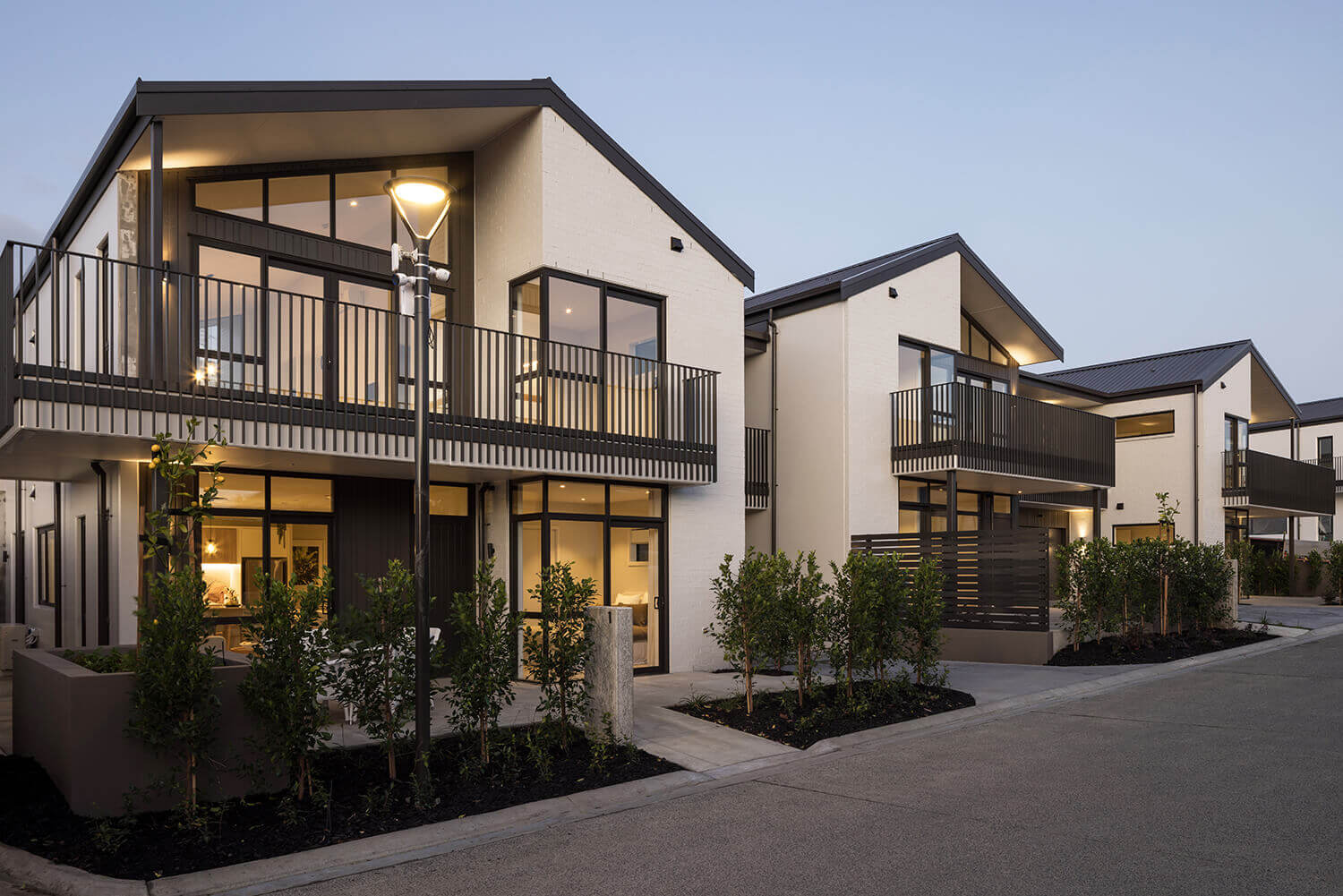
At The Botanic in Silverdale, on Auckland’s Hibiscus Coast, this shift is designed to be as smooth as possible. Home equity typically converts into an Occupation Right Agreement for a light-filled villa or apartment, set within our resort-style community with amenities including the Clubhouse Café, a 20-metre heated indoor pool, a wellness centre, a bowling green, and community gardens.
In our experience, people moving here understand that their home will be sold, and that is where most of the worry sits. How long will it take? What if it doesn’t sell as quickly as we hope? What happens to the home we want here in the meantime? This guide focuses on those questions, and on how you can start a conversation with our team at any stage of the process.
Why Selling the Family Home Can Feel Like the Hardest Part
Selling a home you have lived in for years is rarely as simple as putting up a sign. Alongside the emotional side of letting go, a few practical pressures come up again and again for people planning a move to a retirement village:
- The market sets the pace. Buyers are taking their time. REINZ figures reported by Newswire show homes took a median of around 51 days to sell nationally in August 2026, and Auckland recorded approximately 54 days, the longest August on record. Individual homes can take longer than the median.
- Two moving parts. Your sale and your new home need to line up, and it’s natural to worry about being caught between the two.
- Price expectations. It can take time to find the point where your asking price and the market meet, and a conditional offer may not settle on the timeline you were hoping for.
- Getting the home ready. Sorting decades of belongings while preparing a home for viewings is a lot to take on. Our downsizing tips can help you break it into manageable steps.
None of this means something has gone wrong. It’s simply part of how a sale can go, and it’s exactly why we encourage people to start talking to us early, rather than waiting until the pressure builds.
From Michelle Pipping, Sales & Marketing Manager at The Botanic (over 20 years in residential building and retirement across the Hibiscus Coast and Rodney areas):
“Most of the families I work with on the Hibiscus Coast choose to sell, and the key to making it stress-free is realistic timing. I always encourage people to get a proper market appraisal early, understand roughly how long homes like theirs are taking to sell in the current market, and build their Occupation Right Agreement timeline around that reality rather than an ideal date. When the home sale and the ORA are planned together from the start, the equity transition tends to feel far more straightforward.”
What If Your Home Is Slow to Sell?
If your property has been on the market for longer than you expected, the most important thing to know is that you don’t have to manage that worry alone. Our sales team is in constant communication with real estate agents in situations like this, so we understand where you’re coming from and what you’re working through.
Talk to us early
The earlier we know where you’re at, the more options we can talk through with you. We would much rather hear that your sale is quieter than hoped than find out once the pressure is already on.
What can happen when a sale is slow
- A home can be held for a reasonable time. When a sale is taking longer than expected, we can hold a home for a reasonable time while your property stays on the market. How long that is depends on your circumstances and what’s available at the time, so it’s best discussed with the team rather than assumed.
- Alternatives can be discussed. If new buyers come forward for a retirement home you’re interested in, we can talk through the alternatives available at that time.
- We stay in touch with your agent. Because we’re in regular contact with real estate agents, we can keep up with how your sale is progressing and plan around it with you.
Questions worth asking your real estate agent
While you talk to us, it’s also worth having an open conversation with your agent, who is best placed to advise on your specific property. Questions worth asking include:
- How does our asking price compare with recent sales of similar homes nearby?
- What has the feedback from open homes and viewings been?
- Would changes to presentation or marketing help, and are they worth the cost?
- If we accept a conditional offer, how would it affect our timeline, and what happens if it falls through?
From Kathryn Rule, Sales Administrator & Consultant at The Botanic (nearly a decade in retirement living):
“One thing I want families to know is that they don’t need to have sold their home before starting a conversation with us. We regularly work with subject-to-sale offers and conditional contracts, and we build in flexibility around settlement dates so nobody feels rushed into a decision. The goal is always to align the sale of the family home with the reservation of a new home here, not to force one ahead of the other.”
How to Start the Conversation With Our Team
You don’t need to have everything worked out first. Wherever you are in the process, there’s a straightforward way to start:
- Before your home is on the market. Come and see the Show Home and talk through timing, so you can plan your sale and your move together from the start.
- Once your home is listed. Let us know, so we can keep in step with your agent and your timeline.
- If your sale is slower than expected. Call or email us as soon as it starts to worry you. This is when an early conversation helps the most.
- If you have an offer, but it’s conditional or uncertain. Talk to us about how it fits with the home you’re interested in, so you’re not left guessing.
You can reach the sales team on 0508 268 264, email hello@thebotanic.co.nz, or visit the Show Home at 9 Sage Close, Silverdale (Monday to Friday, 10am to 4pm, and weekends by appointment). You can also send an enquiry through our contact page.
Using Equity to Fund the Move
How equity transfers into an Occupation Right Agreement
An Occupation Right Agreement, or ORA, is the standard legal structure used by most New Zealand retirement villages, including The Botanic (see our guide, How Retirement Village Ownership Works in NZ). Rather than buying freehold title to your villa or apartment, an ORA grants you the right to occupy that unit for as long as you choose to live there, in exchange for an upfront payment. In practice, most residents fund that upfront payment using the proceeds from selling their family home.
What happens to surplus equity
A common and welcome question is what happens if your home sells for more than the entry price of your new villa or apartment. This surplus is yours. Families use it in different ways: building a cash reserve for ongoing living costs and peace of mind, funding travel while still active and healthy, or assisting adult children or grandchildren. Exact current entry pricing and fee structures for specific unit types at The Botanic are covered in our article, Retirement Village Fees Explained: What to Budget For, though this is always best confirmed directly with the sales team for real, current numbers.
Timelines and Practical Next Steps
A step-by-step roadmap
- Get a realistic market appraisal of your current home from a local real estate agent, rather than relying on a council valuation, which can be significantly out of step with current market value.
- Reserve your villa or apartment at The Botanic, discussing timing and any subject-to-sale flexibility with the sales team.
- Market and sell your home, keeping in regular touch with your agent, with your settlement date planned in conversation with the village team rather than in isolation.
- If your sale is taking longer than expected, talk to us early, so we can discuss how long a home can be held and what alternatives are available.
- Align settlement with your move-in day, so there is no unnecessary gap, or overlap, in accommodation.
Not sure if now is the right time?
If you are still weighing up timing more broadly, our article, When Is the Right Time to Move into a Retirement Village?, walks through the signs worth paying attention to before you start the process above.
Keeping the gap between homes to zero
From Nicole Byrne, Resident Transition & Village Support at The Botanic:
“The part families worry about most is the logistics of the handover itself, what happens if the house settles before the new home is ready, or the other way around. My role is to coordinate directly with residents and their real estate agents so that settlement day and move-in day line up as closely as possible. When that’s managed properly, there’s no scramble for temporary accommodation and no unnecessary storage costs, just a smooth handover from one home to the next.”
Family Decision Checklist
Before committing to a sale date or an Occupation Right Agreement, it is worth working through this checklist as a family:
- Consult a solicitor familiar with the Retirement Villages Act and Occupation Right Agreements. ORAs are a distinct legal structure, and independent legal advice is a standard, sensible step before signing.
- Get a realistic market appraisal, not just a council (rateable) valuation. These two figures can differ substantially, and only a current market appraisal reflects what your home is actually likely to sell for.
- Ask what happens if your sale takes longer than expected. Talk to the sales team early about how long a home can be held and what alternatives are available if your property is slow to sell.
- Review your financial goals with an independent financial adviser. This includes how surplus equity, if any, fits into your broader retirement income plan.
- Determine your move timing and decluttering window. Building in three to six months for sorting belongings tends to make the whole process feel calmer and more considered.
Frequently Asked Questions
What happens if my house takes longer to sell than expected?
This is a genuine possibility in any property market, and it’s more common than many people expect. Nationally, homes took a median of around 51 days to sell in August 2026, with Auckland slower again. If it happens to you, get in touch with our sales team as early as you can. We’re in regular contact with real estate agents in these situations, so we understand where you’re coming from, and a home can be held for a reasonable time while your property is on the market. Honest conversations about timing, early on, are the best way to avoid being caught out.
How long can The Botanic hold a home while I sell my house?
There isn’t one answer that fits everyone. A home can be held for a reasonable time when a property is slow to sell, and how long that is depends on your circumstances, how your sale is progressing and what’s available at the time. The best next step is a conversation with the sales team, ideally before the pressure builds.
Can I reserve a home at The Botanic before selling my current property?
In many cases, yes. Village sales teams, including at The Botanic, regularly work with prospective residents who have not yet sold their home, often through subject-to-sale arrangements. It is best to get in touch with the sales team to discuss your specific situation, since arrangements can depend on availability and individual circumstances.
What if another buyer is interested in the home I want while my house is still on the market?
If new buyers come forward for a retirement home you’re interested in, we can talk through the alternatives with you. Keeping us updated on how your sale is progressing helps us plan with you, so please let us know early if your circumstances change.
Do I pay capital gains tax when selling my family home to move into a retirement village in NZ?
New Zealand does not have a general capital gains tax, but it does have the bright-line test, which can tax gains on residential property sold within a set period of purchase. As of the time of writing (October 2026), the bright-line period is 2 years, though you should verify this directly with Inland Revenue or a tax adviser, as these settings have changed more than once in recent years. Importantly, selling your main home is generally exempt from the bright-line test, provided it has genuinely been your main residence for the required portion of your ownership period. This is a question where we would strongly recommend confirming your specific position with an accountant or tax adviser rather than relying on general guidance, since individual circumstances (such as a period of renting the property out) can affect eligibility for the exemption.
How does surplus equity work after paying for an Occupation Right Agreement (ORA)?
If your home sells for more than the entry price of your ORA, the difference belongs to you. There is no requirement to spend it in any particular way. Many residents use it to build a financial buffer, fund travel or lifestyle spending, or assist family, and it is worth discussing with an independent financial adviser how best to manage it alongside your other retirement income.
Next steps: moving into a retirement village
Unlocking the equity in your home is not about giving up an asset. It’s about putting your retirement capital to work on a richer, easier, and more connected way of living. And if selling takes longer than you hoped, you won’t be left to work it out alone.
If you would like to talk through what this might look like for your own situation, including what happens if your home is slow to sell, you are warmly invited to book a quiet, private consultation with Michelle Pipping or Kathryn Rule at The Botanic Show Home in Silverdale, or simply stop by the Clubhouse Café for lunch while you explore your options, no pressure, just honest answers to your questions.
Please note: all data and tax information in this guide reflects the most recent publicly available information at the time of writing (October 2026) and should be independently verified, ideally with a solicitor, accountant, or financial adviser, before being relied upon or used in published marketing material. Tax rules such as the bright-line test have changed more than once in recent years and may change again.
