Retirement Village Fees Explained: What to Budget For
Retirement village fees in New Zealand fall into three main categories. First, the entry payment, which is the upfront cost of your Occupation Right Agreement (ORA) and varies depending on the type and size of home you choose. Second, the weekly fee, an ongoing contribution toward the day-to-day running of the village, including council rates, water rates , insurance, gardens, maintenance of the properties, security, rubbish removal and staffing. Third, the Deferred Management Fee (DMF), which is deducted from your entry payment when you leave.
At The Botanic Hibiscus Coast, the weekly Village Fee is currently $185 per week (discounted from $215 while the main amenities building or care home is under development) and is fixed for life. The DMF is capped at 30% of the entry payment. Your personal costs, such as electricity, phone, internet, and contents insurance, sit outside these fees and remain your own responsibility.
Introduction: The Three Cost Layers of Retirement Village Living
One of the most common questions prospective residents and their families ask when exploring retirement village living is a straightforward one: what will it actually cost?
It’s a fair question, and one that deserves a straight answer. Retirement village fees in New Zealand work differently from what most people are used to as homeowners or renters, and the language can feel unfamiliar at first. But once you understand the three main cost layers, the picture becomes much clearer.
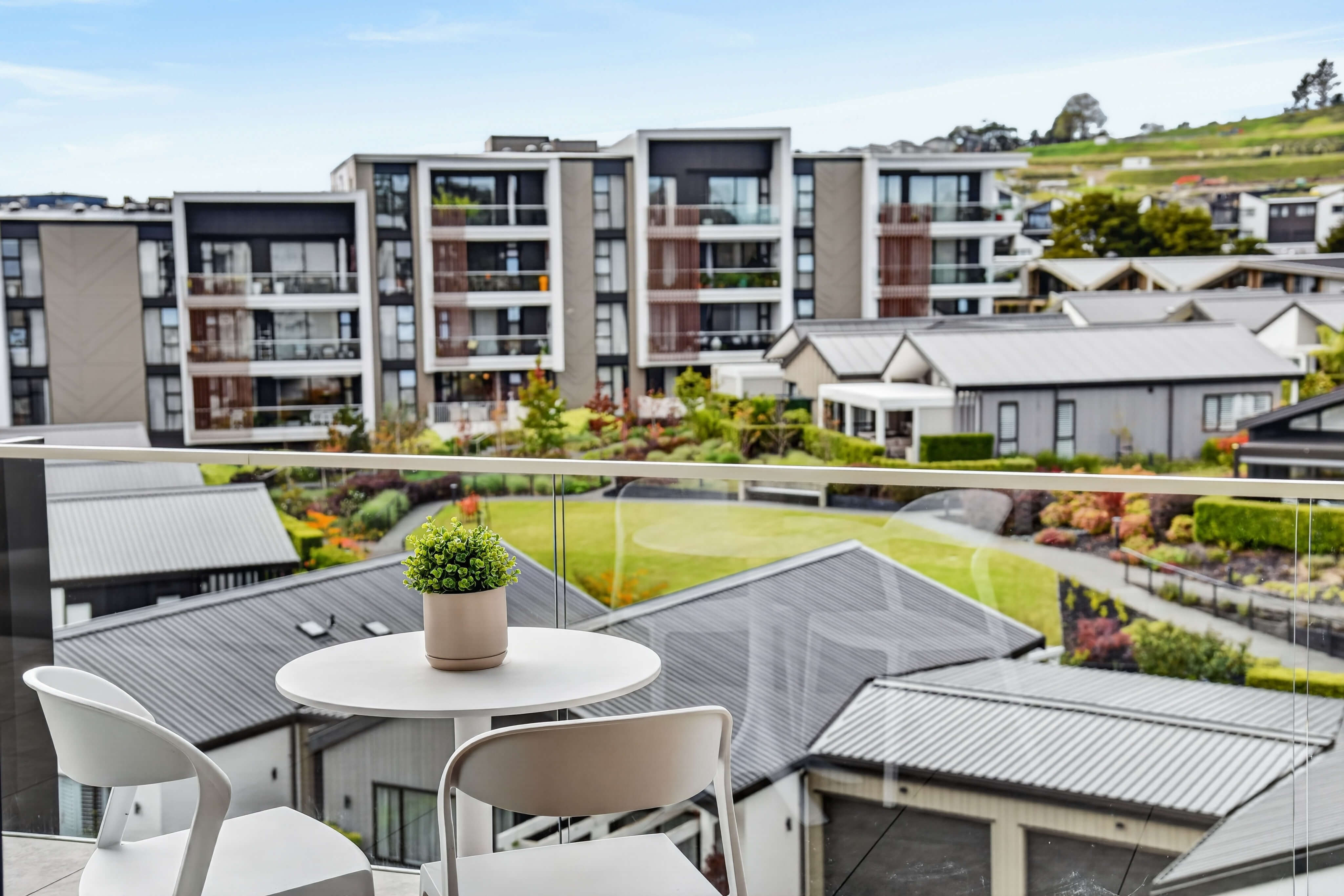
Those three layers are the entry payment, the weekly fee, and the Deferred Management Fee. Each serves a different purpose, applies at a different stage of your residency, and is governed by the Retirement Villages Act 2003. Together, they cover the cost of your home, the cost of living in the village, and the cost of the operator managing and eventually refurbishing and reselling your home when you leave.
This post walks through each layer in plain language, with specific details about how fees are structured at The Botanic Hibiscus Coast. The goal is to give you and your family enough clarity to budget with confidence and ask the right questions before you sign anything.
Section 1: Entry Price vs Ongoing Fees
The first thing to understand is that the entry payment and the weekly fee are two entirely separate costs that serve two entirely different purposes. They are sometimes confused, but they should be thought of as distinct commitments.
The entry payment
The entry payment is the lump sum you pay upfront to secure your home and your right to live in the village under an ORA. It is not a purchase price in the freehold sense; you are not buying the property. Instead, you are buying the right to occupy a specific villa or apartment, along with access to all of the village’s shared amenities and facilities.
Entry prices vary considerably across New Zealand, and are influenced by the type of home (villa, apartment, or care suite), its size, its position within the village, and the quality and range of amenities on offer. Across the Auckland market, entry prices typically range from $350,000 at the lower end to well over $ 2 million for premium units at the most sought-after villages.
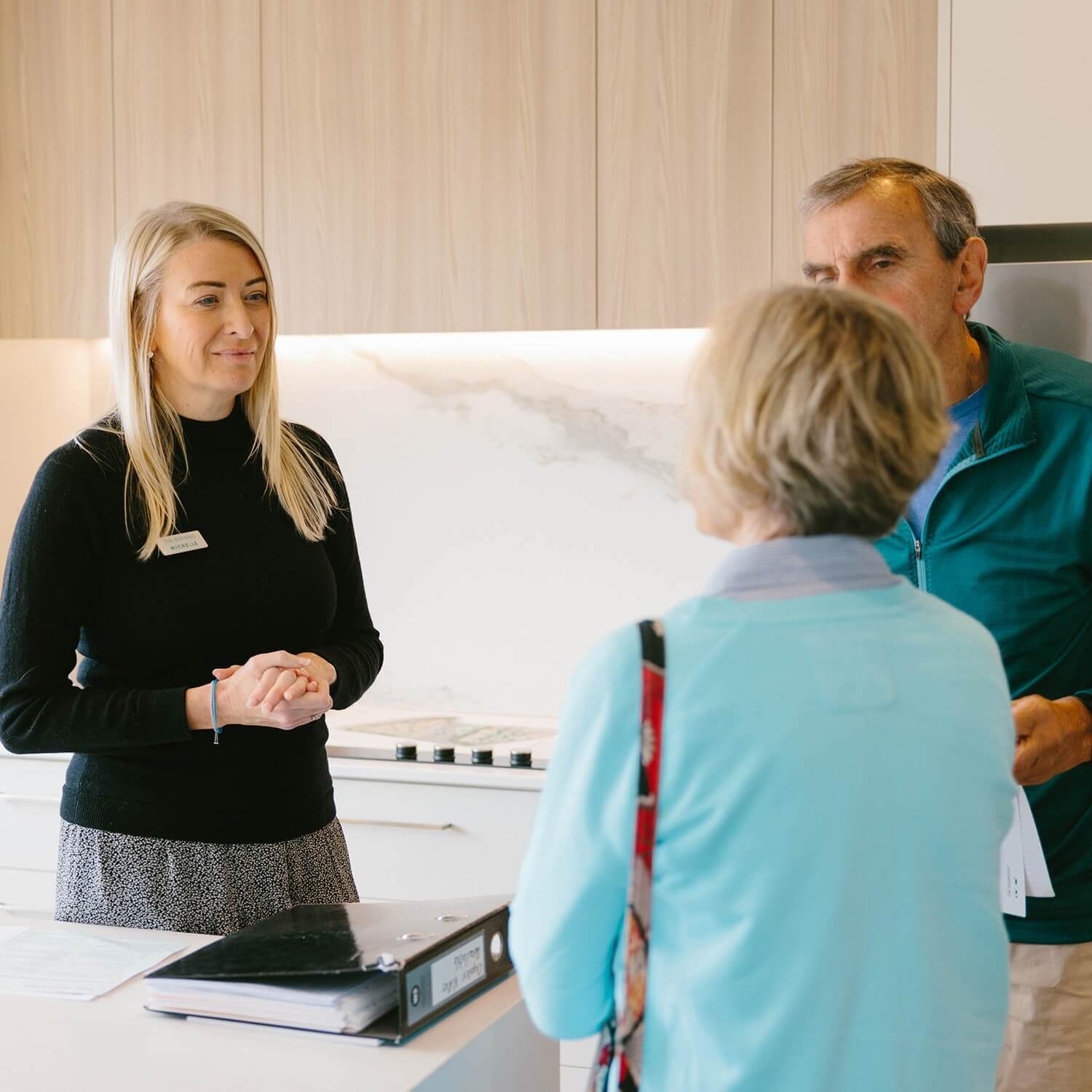
At The Botanic Hibiscus Coast, the entry payment reflects the home you choose, whether that is a one, two, or three-bedroom villa or a Rimu or Nikau apartment. The sales team, Michelle and Kathryn, can walk you through current availability and pricing in detail.
To place a hold on a home, you will need to complete an application and pay a $5,000 deposit, which is held in a trust account by Anchorage Trustee Services and is fully refundable if you decide not to proceed.
The weekly fee
Quite separately from the entry payment, you also pay an ongoing weekly fee to contribute toward the day-to-day running of the village. This is not an optional cost; it’s part of the terms of your ORA and continues throughout your residency.
The weekly fee and the entry payment are not interchangeable. One secures your home; the other keeps the village running. Both are important to factor into your financial planning, and both are worth examining closely when comparing villages.
Research from the Retirement Villages Residents Association found that across 440 New Zealand retirement villages, the average weekly fee is approximately $140.50, with a median slightly lower. At the same time, Village Guide NZ research shows that weekly fees are one of the most closely scrutinised aspects of retirement village living, with 56% of prospective residents and 57% of family members describing this as a key concern when comparing options.
Understanding what your weekly fee covers and what it does not is therefore one of the most important questions to ask before signing.
Section 2: What Weekly Fees Typically Cover
The weekly fee exists to cover the ongoing costs of running the village, its grounds, its facilities, and its team. It is, in effect, your contribution to the shared infrastructure that makes retirement village living different from owning a standalone home.
What is typically included across the sector:
Across New Zealand retirement villages, the weekly fee generally covers council rates, water rates, building insurance, maintenance of the grounds and gardens, upkeep of communal facilities such as the pool, gym, and lounge spaces, rubbish removal, security, and the salaries of the staff directly employed to run the village’s day-to-day operations.
What is typically excluded:
Personal costs that vary by individual usage are almost always excluded. These include household electricity, phone and internet charges, contents insurance, and vehicle insurance. Some villages also charge separately for certain activities, meals, or additional services, so it is worth clarifying this upfront when comparing options.
What The Botanic includes:
At The Botanic Hibiscus Coast, the weekly Village Fee covers:
- Council rates
- Water rates
- Building insurance
- Upkeep of gardens and grounds
- Maintenance of the dwelling, both internal and external
- Upkeep of all communal facilities, including the 20-metre indoor heated pool, spa, sauna, steam room, gym, Community Gardens, and bowling green
- Rubbish removal
- Security
- The salaries of all employees directly employed to deliver village operational services
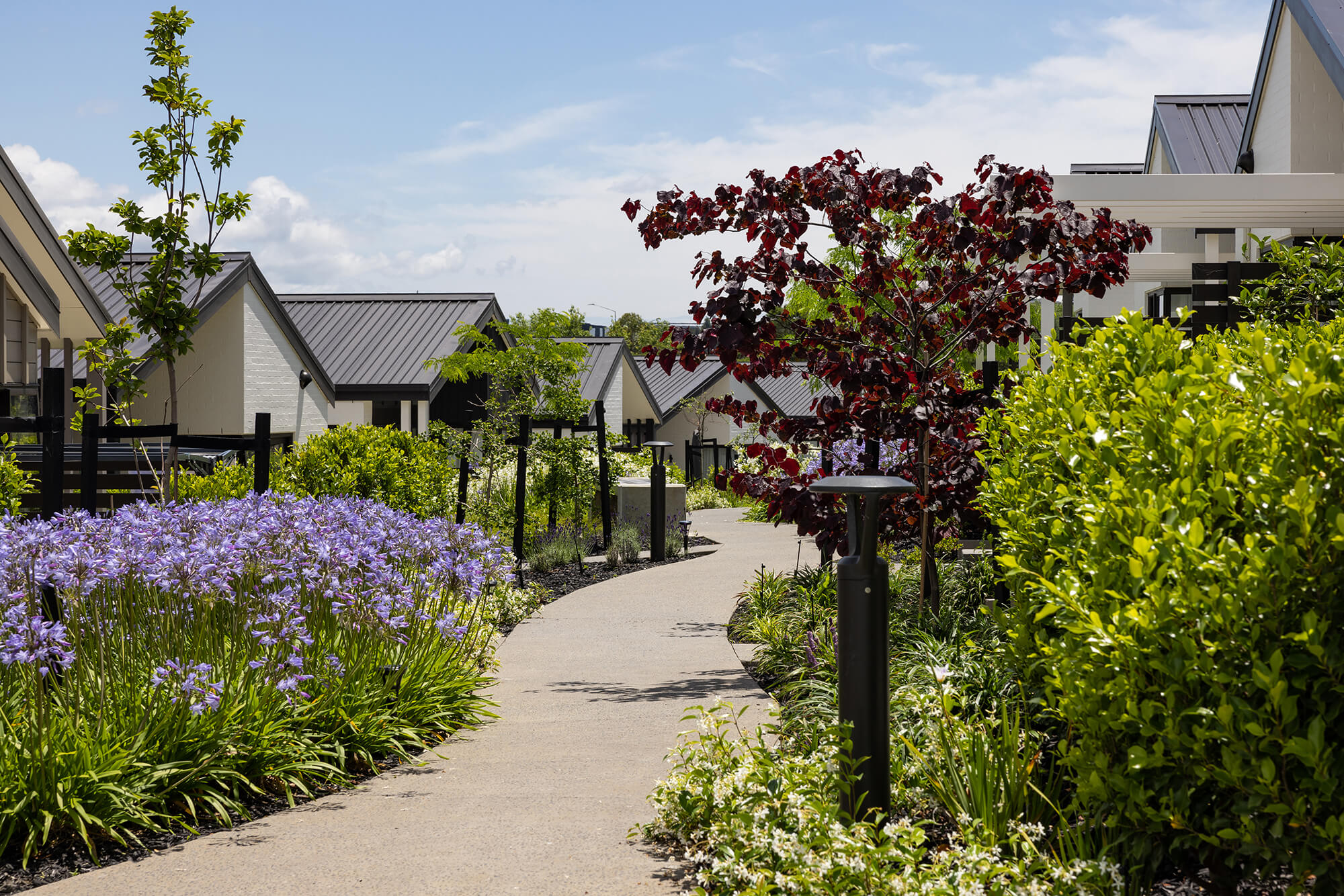
Interior maintenance of your home is handled by The Botanic’s team for the duration of your residency, unless there is wilful damage or deterioration beyond fair wear and tear. This means that if something needs fixing in your home, you can call the team rather than arranging and paying for a tradesperson yourself. For many residents, this is one of the most appreciated practical benefits of village living, particularly compared to the ongoing cost and hassle of maintaining a larger family home independently.
Costs that sit outside the weekly fee at The Botanic include your personal electricity (though the village is connected to multiple providers, giving you choice), your phone and internet (provided through Bestcomm at competitive rates), and your personal contents insurance.
The fixed-for-life fee: why it matters more than it might seem
One of the most significant financial features at The Botanic is that the Village Fee is fixed for life. The current weekly rate is $185 (discounted from $215 while the Main Amenities Building or Care Home is under construction, whichever comes first, at which point the standard rate of $215 applies). Once you move in, your weekly fee will never increase, regardless of what happens to inflation, costs, or market conditions during your time at The Botanic.
This is more significant than it might initially appear. Research by RNZ found that variable weekly fees have been a source of financial stress for some retirement village residents, with a survey of 1,500 Retirement Villages Residents Association members finding that 18% were worried about increases and their ability to afford future living costs. The Retirement Villages Association estimates that around 85% of the sector charges a weekly fee that is either fixed for life or can only increase in line with the Consumer Price Index. At The Botanic, the fee is fixed outright, which places it firmly in the most resident-friendly category.
For a couple planning their retirement finances over 10, 15, or 20 years, knowing exactly what the weekly fee will be on day one and on every day thereafter is a genuinely valuable form of certainty.
Section 3: Deferred Management Fees and Exit Costs
The Deferred Management Fee, or DMF, is the aspect of retirement village finances that tends to generate the most questions and sometimes the most concern. That is partly because it is deducted at the end of your residency rather than paid upfront, which means it can feel like a surprise if you have not planned for it.
Here is how it works.
What the DMF is
The DMF is the village operator’s charge for managing and maintaining the village over the course of your residency. It covers things like the ongoing upkeep of your home, the management of the resale process when you leave, and the refurbishment of your home for the next resident. It is also your contribution towards the capital cost of building the amenities that you will have enjoyed during your time living at the village. Rather than being charged as an ongoing fee throughout your stay, or an upfront cost it is deducted from your entry payment when you vacate.
Across the New Zealand sector, DMFs are typically in the range of 20 to 30% of the entry payment, usually calculated at a percentage per year up to a maximum cap.
How The Botanic’s DMF works
At The Botanic, the DMF is calculated at 10% per year for the first three years of your residency, capped at a maximum of 30% of your entry payment. If you live at The Botanic for less than three years, the DMF accrues on a pro-rata basis.
In practical terms, this means:
- After one year: 10% DMF deducted
- After two years: 20% DMF deducted
- After three years or more: 30% DMF deducted (the cap)
So if your entry payment was $800,000 and you lived at The Botanic for three or more years, the DMF would be $240,000, and you or your estate would receive $560,000 back. If you lived there for one year, the DMF would be $80,000, and you would receive $720,000 back.
You are not required to refurbish your home when you leave, excluding any wilful damage. The Botanic’s team manages the refurbishment and resale process. The village is responsible for finding a new resident as quickly as possible and controls the sales and marketing process.
The 90-day money-back guarantee
The Botanic also offers a 90-day money-back guarantee, which provides an additional layer of reassurance for anyone who moves in and finds the village does not suit them. If a resident’s decision to leave within 90 days is based on socialisation and fit within the village, the ORA includes provision for a full refund. The DMF is not charged in this situation.
This is a meaningful point of difference. Not all retirement villages offer this level of initial protection, and it reflects the confidence The Botanic has in the quality and warmth of its community.
Capital gains policy
Under a standard ORA licence to occupy arrangement, the capital gain on the property goes to the operator rather than the resident. This is an important point to understand when thinking about the financial profile of retirement village living. You are not buying an investment property; you are buying a lifestyle and a right of occupancy. There is no risk of any capital loss ether. The refund is a fixed amount depending on how long you have lived in the village.
At The Botanic, the sales team can explain any specific arrangements around capital gain that may apply to current offers, including the 50% share in future capital gain that was available to buyers who purchased over the Autumn Open Weekend. These arrangements can vary, so it is always worth asking directly.
Upcoming regulatory changes
It is worth noting that the New Zealand government is currently in the process of reforming the Retirement Villages Act 2003. Among the proposed changes is a 12-month maximum repayment timeframe, ensuring residents and their estates do not wait longer than 12 months for their refund after vacating. The intention is also to stop weekly fees accruing once a resident moves out. A bill is expected to be introduced to Parliament in mid-2026. The Botanic’s sales team can keep you updated as these changes progress. At The Botanic weekly fees stop the moment a property is vacated. We do not charge ongoing weekly fees whilst marketing / selling a property.
Section 4: Budgeting Checklist for Families
Whether you are doing this planning for yourself or helping a parent or loved one work through the numbers, the following checklist covers the key financial questions to address before making a decision.
Entry costs
- What is the entry payment for the home you are considering, and what does it include?
- Is a deposit required to secure the property, and is it fully refundable if you choose not to proceed?
- Will you need to sell an existing property to fund the entry payment, and what is the likely timing and net proceeds?
- Are there any legal fees associated with reviewing and signing the ORA? (Independent legal advice is a legal requirement under the Retirement Villages Act 2003, so this cost should be budgeted for.)
Weekly ongoing costs
- What is the weekly fee, and is it fixed for life, linked to CPI, or variable?
- What does the weekly fee include, and what falls outside it?
- What will you pay for electricity, phone, internet, and contents insurance separately?
- Are there any optional services or activities that carry additional charges?
- Do weekly fees continue until a new ORA is signed ?
Exit and deferred costs
- What is the DMF rate and cap, and how is it calculated?
- What is the process when you leave, and who manages the resale?
- Approximately how long does resale typically take, and when would you or your estate receive your refund?
- Is there a money-back guarantee period, and what conditions apply?
Capital gains and returns
- Under what circumstances, if any, do you share in capital gain?
- Are there any additional exit costs beyond the DMF, such as refurbishment charges?
Care pathway and future costs
- What happens if your care needs change and you require a higher level of support?
- Is there a care home or memory suite on-site or planned, and what would those costs look like?
- At The Botanic, a future aged care home and specialist memory care facility are in development, which is important context for long-term financial planning.
At The Botanic: a transparent approach to fees
The Botanic is committed to making sure every prospective resident and their family has a clear and honest picture of all costs before making any commitment.
If you are doing side-by-side comparisons of retirement villages in Auckland and on the Hibiscus Coast, it pays to look beyond the entry price alone. A fixed-for-life weekly fee, a capped DMF, included interior maintenance, a 90-day money-back guarantee, and an on-site Registered Nurse and a future full continuum of care are all features that have real financial and practical value over the course of a residency, even if they do not always show up on a simple price comparison.
To request a full information pack or to speak directly with the sales team about pricing and fees, call Michelle or Kathryn on 0508 268 264 or visit the contact page at thebotanic.co.nz.
Frequently Asked Questions
What are the main fees involved in moving into a retirement village in NZ?
There are three main cost categories: the entry payment (paid upfront to secure your right of occupancy), the weekly fee (an ongoing contribution toward running the village), and the Deferred Management Fee (deducted from your entry payment when you leave). Personal costs such as electricity, phone, internet, and contents insurance are typically additional.
How much is the weekly fee at The Botanic Hibiscus Coast?
The weekly Village Fee at The Botanic is $185 per week while the Main Amenities Building or Care Home is under development, after which it reverts to the standard rate of $215 per week. Importantly, this fee is fixed for life from the date you move in, meaning it will never increase for the duration of your residency.
What does the weekly fee at The Botanic cover?
The Village Fee covers council rates, water rates, building insurance, maintenance of the grounds and gardens, upkeep of all communal facilities (including the pool, gym, spa, sauna, bowling green, and Community Gardens), rubbish removal, security, and the salaries of all village operational staff. It also covers both internal and external maintenance of your home for the duration of your stay.
What is a Deferred Management Fee and how is it calculated at The Botanic?
The DMF is a fee deducted from your entry payment when you leave the village. At The Botanic, it is calculated at 10% per year for three years, capped at a maximum of 30% of your entry payment. If you live at The Botanic for less than three years, the DMF accrues on a pro-rata basis. You will receive your entry payment, less the DMF, when you vacate.
Are there any costs I will still need to pay personally?
Yes. Costs that sit outside the weekly fee include your personal electricity, phone and internet charges, and your personal contents, vehicle, and motor insurance. The Botanic’s weekly fee covers building insurance but not the contents of your home.
Is there a money-back guarantee at The Botanic?
Yes. The ORA at The Botanic includes a 90-day money-back guarantee. If a resident decides to leave within 90 days because the village does not suit them in terms of socialisation and community fit, they are entitled to a full refund without the DMF being charged.
Do I need a lawyer before signing an ORA?
Yes. Independent legal advice is a legal requirement under the Retirement Villages Act 2003, not just a recommendation.
What happens to the weekly fee after I leave the village?
The weekly fee at The Botanic will stop once you vacate your property and remove all of your personal items.
Can I compare The Botanic’s fees to other villages?
Absolutely. The Botanic actively encourages prospective residents to do thorough comparisons. When doing so, it is worth looking not just at the entry price and DMF percentage, but also at whether the weekly fee is fixed or variable, what maintenance and services it includes, whether there is a money-back guarantee, and what the care pathway looks like for the future.
For a full breakdown of fees and current home pricing at The Botanic Hibiscus Coast, speak with Michelle or Kathryn on 0508 268 264 or download the information pack at thebotanic.co.nz. The Botanic is located at 17 Small Road, Silverdale, Auckland.
This post is part of a series designed to help prospective residents and their families make informed decisions about retirement village living. For more on how the ORA works in New Zealand, see our earlier post: How Retirement Village Ownership Works in NZ.
