When Is the Right Time to Move into a Retirement Village?
There is no single “right” age to move into a retirement village in New Zealand, but research consistently shows that people who move while they are still well, active, and choosing to do so have a significantly better experience than those who move under pressure from a health crisis or family circumstance. The most common signals that the timing may be right include spending more time and money on a home than you are enjoying it, feeling isolated or less connected than you used to, concerns about safety and what would happen in an emergency, and a growing desire for a simpler, more social way of living. For many people, the decision is less about reaching a certain age and more about choosing quality of life while you still have the freedom to do so on your own terms.
Choosing how and where you live during your retirement years is a significant decision, and one of the most empowering choices you can make. Retirees sometimes look to villages to enhance their quality of life and gain access to health and wellness amenities.
Timing is fundamentally important. Most retirees will tell you ‘don’t leave it too late’ because moving at the right time allows you to fully embrace the benefits of retirement village living, and become a much valued and much loved member of our village.
The Botanic Hibiscus Coast is Silverdales’s premier retirement village and offers retirees a luxury and supportive community where everyone can thrive in their golden years.
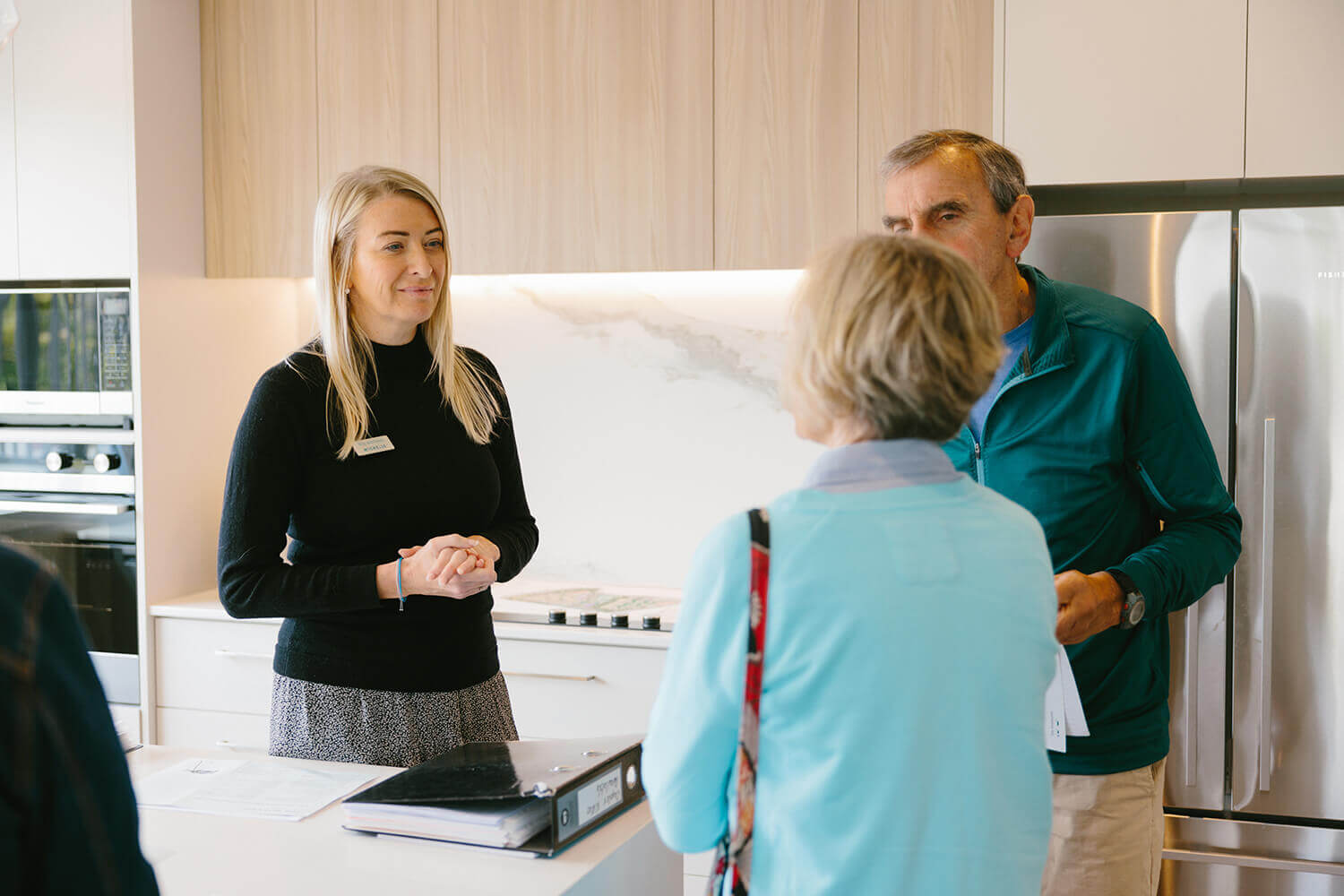
Signs It Might Be Time to Consider a Retirement Village
There is a phrase you hear often from people who have moved into a retirement village. Not straight away, usually; it tends to come out a few weeks or months after the move, when things have settled and the new routine has taken hold. The phrase is this: “I wish I had done it sooner.”
It is one of the most consistent things residents say, across villages and across life circumstances. And it makes sense, because the decision to move into a retirement village is almost always better when it is made by choice rather than by necessity. A move made while you are well, mobile, and excited about a new chapter tends to go more smoothly, feel more positive, and deliver better outcomes than one made in response to a fall, a health scare, or a crisis that has already reduced your options.
Research by Village Guide NZ found that around one in ten New Zealanders aged 65 and over already live in a retirement village, with another 15% considering the move. Of those considering it, 80% expect to make the move within five years. Yet the same research found that the idea often starts forming from age 60, while actual moves tend to happen later, in the early to mid-70s. That gap between thinking about it and doing it is where many people lose years they could have spent enjoying exactly the kind of life a good village offers.
This post is not about pressuring anyone into a decision they are not ready for. It is about helping you recognise what the signals actually look like, so that when the time does feel right, you have a clear framework to work from.
What our residents say
In our series of “Meet the Residents’ posts, we asked many of them for their advice to retirees thinking about moving to a retirement village – the answer was nearly always the same:
“Don’t put it off. Do it now!” – Kaye and Tony
“Don’t leave it too late! Retire when you can fully enjoy the fruits of your labour.” – Colin and Pip
“Do it. You’ll make friends and meet a wonderful gathering of people.” – Helen
“Don’t put it off! The benefits of village life will enrich your life each and every day.” – Bets and Bob
“Don’t leave it too late. Go while you are still young enough to enjoy all there is on offer.” – Chris and Stuart
“Don’t leave it too late. It is a major change and there is some upheaval, so do it while you can. It takes time to transition, but there are many things to engage in and enjoy. Also, support is at hand if a partner becomes ill or incapacitated.” – Grant and Julie
“Just do it! Your life will magically become a whole lot easier.” – Julie

Section 1: Lifestyle and Safety Signals
The lifestyle signals that suggest the timing may be right are often gradual and easy to rationalise. A leaking gutter dealt with. A garden that has gotten away on you. A weekend spent not doing anything you particularly enjoyed because you were catching up on the house. Individually, none of these things feel significant. Collectively, they tell a story.
The house is taking more than it is giving
This is the most common theme in conversations with people who have recently made the move to village life. The family home served its purpose beautifully for decades. Now, though, the rooms that once needed filling are gathering dust, the garden that once brought joy is bringing obligation, and the maintenance list never quite empties.
A move made by choice, while you are well enough to handle the packing, the paperwork, and settling into a new community, tends to go more smoothly than one made in response to a health crisis or the loss of a partner. Broader research on retirement transitions backs this up: voluntary, planned moves are associated with better mental health outcomes than ones forced by circumstance.
If you are spending more time and money on the house than you are spending enjoying it, that is worth noticing.
You are thinking more about safety
This one is subtle and often goes unspoken, but it matters. Are you thinking more carefully about where you put your feet on the stairs? Are you conscious of what would happen if you fell when no one was home? Have there been small moments, a dizzy spell, a near-miss in the garden, a cold snap that made getting around difficult, that you have quietly filed away?
These are not signs that something is wrong. They are signs that your instincts are paying attention. And they are worth listening to before a more significant event makes the decision for you.
At The Botanic Hibiscus Coast, an on-site Registered Nurse is available for appointments and general health queries, and 24-hour emergency call systems are built into every home. For residents who have been managing quietly on their own, the simple knowledge that help is genuinely close at hand changes the texture of daily life in ways that are hard to overstate.
Social connection is shrinking
Research commissioned by Age Concern Auckland found that 59% of older New Zealanders had recently felt lonely or socially isolated, with almost a third of those respondents experiencing these feelings frequently or all the time. Loneliness in later life is not simply an emotional experience; research from the University of Auckland found that lonely older adults were significantly more likely to report lower life satisfaction and poorer mental health outcomes.
The social shrinkage tends to be gradual. Friends move, or pass away. Family is busy. The effort of getting out and about increases as mobility or confidence changes. The days can start to feel longer and quieter than they used to.
Village life addresses this directly and immediately. At The Botanic, the social calendar is largely shaped by residents themselves, which means it reflects genuine interests rather than programmed activities. The Clubhouse Cafe is open to the public seven days a week from 8am, the Hub hosts art classes, card games, travel talks, and music groups, and new residents typically find that connection happens faster and more naturally than they expected.
You are travelling less and going out less
This one might seem minor, but it is often a meaningful indicator. If the activities and outings that used to be part of normal life have quietly dropped away, partly through habit and partly because the effort has started to outweigh the reward, that is worth reflecting on.
One of the less-discussed advantages of retirement village living is how it lowers the threshold for spontaneous activity. When the pool is a five-minute walk from your front door, you use it. When the cafe is in the same grounds, you go for coffee with a neighbour. When the bus station is a short stroll away, as it is from The Botanic at Silverdale, getting into Auckland for a concert or a family lunch becomes something you actually do rather than something you mean to do.
What our residents say
The “lock up and leave” lifestyle is something that is an appealing part of retirement village living. Here is what some of our residents had to say when asked how that lifestyle has changed their lives:
“Through Christmas and New year, we went away for five weeks and never once worried about our villa or our gardens. The two of us travel a lot so the ‘lock up and leave’ lifestyle is a real bonus. It makes retirement stress-free.” – Rosemary and Paul
“We still have a bach with lawns, gardens and maintenence to do, but it’s no longer a drag. Lock up and leave couldn’t be better. There is an opportunity to be involved in the village gardens and vegetable patch.” – Colin and Pip
“We don’t have to worry about getting someone to look after our property when we go away. We can go away in our motorhome or overseas to escape the winter whenever we like.” – Chris and Stuart
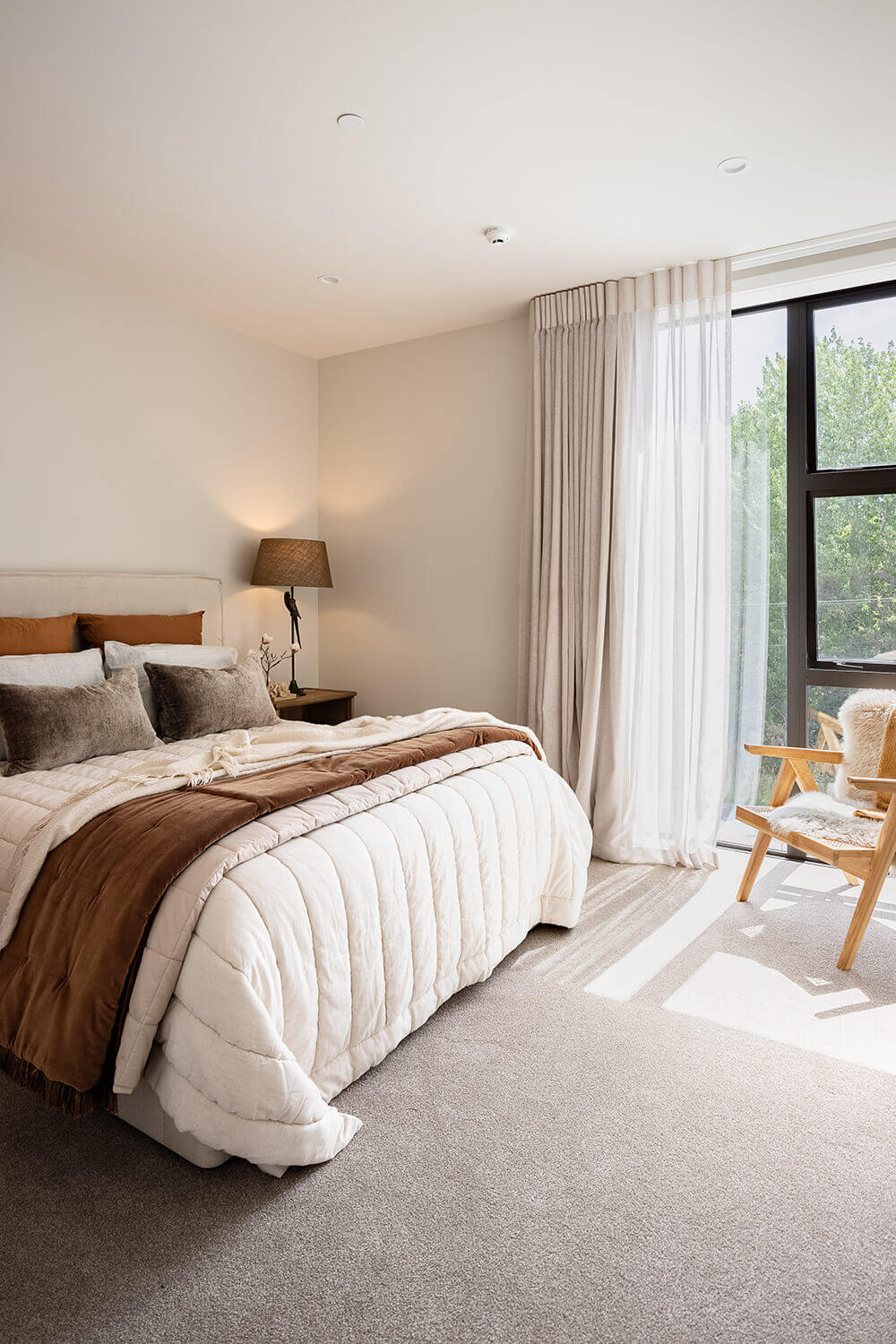
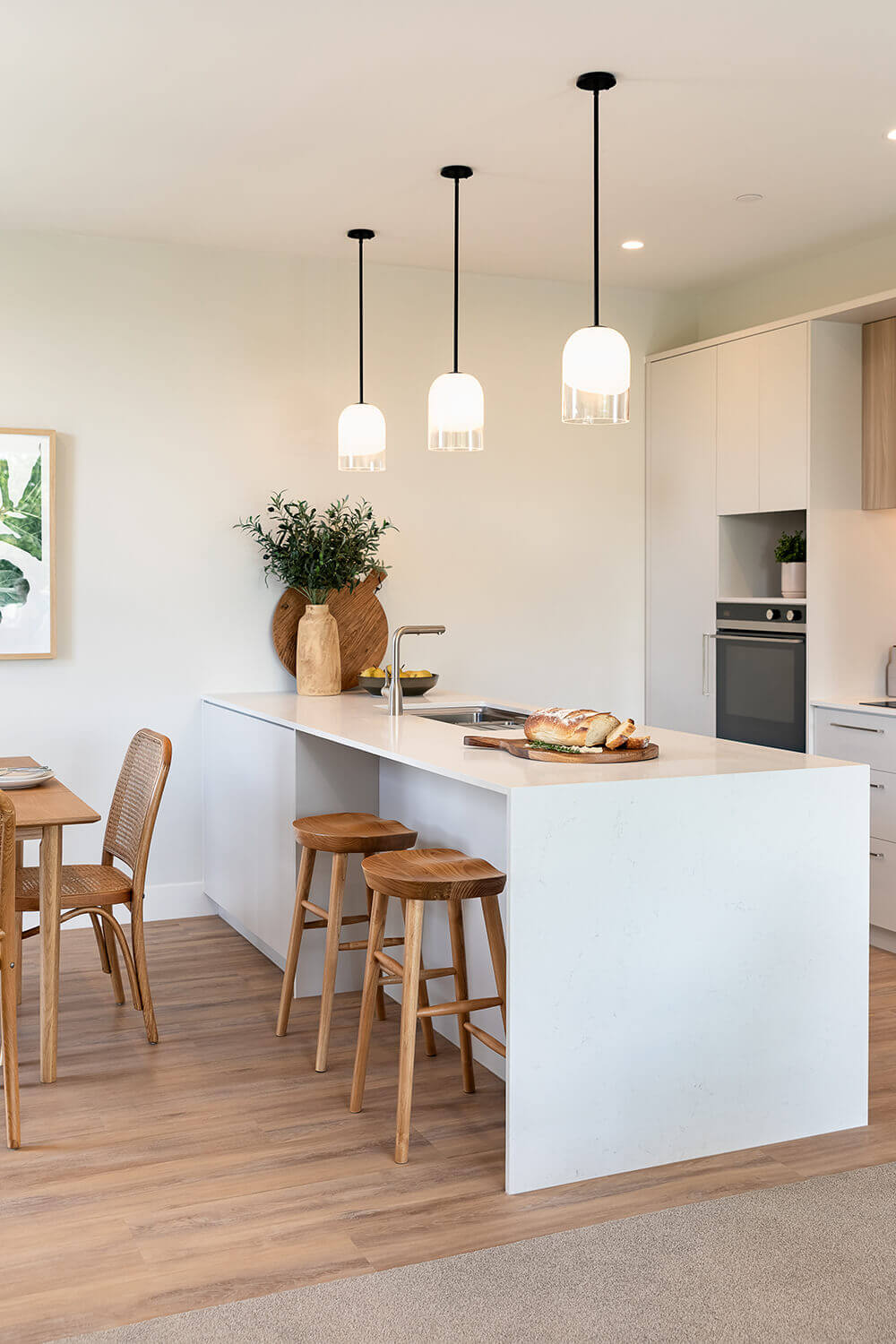
Section 2: Financial and Practical Triggers
The financial picture is often what brings the conversation into focus, particularly for adult children who may have been watching the lifestyle signals for a while and wondering how to raise the topic constructively.
The property market creates a window
New Zealand’s property market is variable, and timing a sale well matters. Research by Village Guide NZ found that 29% of people considering a move to a retirement village are delaying until property market conditions improve. This is understandable, but it is worth being careful about letting the market become the only lens through which the timing is assessed. A decision made primarily around a market window, rather than around readiness and quality of life, can result in moving at the wrong moment personally even if it looks right financially.
That said, if the property market is currently favourable and the lifestyle signals are also pointing toward the right time, that alignment is worth taking seriously.
Maintenance costs are climbing
The cost of maintaining an older family home tends to increase over time, and often accelerates in ways that are hard to predict. A roof. A hot water system. A fence. A driveway. These costs are real, they compound, and they come on top of rates, insurance, and utilities that have increased significantly over the past few years.
At The Botanic, the weekly Village Fee of $185 per week (currently discounted from $215 while the Mānuka Care Centre is under construction) covers rates, water rates, building insurance, internal and external maintenance of your home, upkeep of all communal facilities, security, and rubbish removal. The fee is fixed for life, meaning it will never increase for the duration of your residency. For many households, the shift from unpredictable and escalating property ownership costs to a single, known weekly outgoing is financially clarifying as much as it is practically relieving.
You want to free up capital for living, not maintenance
This is a conversation more people are having now than a decade ago. The family home represents significant capital, much of which is currently absorbed in maintenance, insurance, and property costs rather than being used to fund experiences and quality of life. Moving to a retirement village releases that capital, and for many people, the financial shift allows them to travel, support family, or simply live more comfortably than the costs of property ownership were previously permitting.
It is worth getting independent financial advice to understand exactly what the numbers look like in your specific situation. The official retirement age in New Zealand is 65, when you become eligible for NZ Super and typically gain access to KiwiSaver. Many people find that modelling their finances with an adviser around this milestone, and including the retirement village option in that modelling, produces a clearer picture than running the two scenarios separately.
The administration of daily life is becoming a burden
This is something that comes up in conversations at The Botanic regularly. Not the big things, but the accumulation of small administrative tasks that come with owning and maintaining a property. Tradespeople to organise. Home insurance policies to renew. Repairs to manage. Quotes to get. The mental overhead of property ownership is real, and as other priorities in life become more important, the appeal of handing that over is significant.
Section 3: Family Conversation Prompts
For adult children reading this, the timing conversation with a parent is often one of the more delicate ones to navigate. The risk of getting it wrong, coming across as pressuring someone into a decision they are not ready for, can make the conversation feel high-stakes. University of Otago research found that the challenge of moving into care was lessened significantly when older adults had the opportunity to be part of the decision-making process. The same principle applies here: the goal is to open a conversation, not to drive a conclusion.
Here are some ways to start that conversation naturally and productively.
“Have you thought about what you would want if things changed?”
This framing shifts the conversation away from the present moment and toward future planning, which many people find easier to engage with than a direct “should you be moving?” question. It opens space to talk about preferences, values, and what matters most, without implying that anything needs to happen right now.
“What do you actually enjoy about the house these days?”
This question invites genuine reflection rather than defensiveness. The answer may be more nuanced than expected. If the things someone genuinely enjoys about their home are specific and meaningful, that is important information. If the answer is mostly habit and history rather than current enjoyment, that is also important information.
“Would you be open to just having a look at a few places?”
Visiting a retirement village when there is no urgency and no pressure to decide is one of the most effective ways to shift someone’s perception of what village life actually looks and feels like. The Botanic’s Clubhouse Cafe is open to the public, which means a first visit can be as casual as a coffee and a walk around the grounds, with no sales conversation required unless someone wants one. Many of the families who end up at The Botanic started with exactly this kind of low-key visit.
“What would need to be true for this to feel like the right time?”
This is perhaps the most useful question of all, because it hands the frame of the conversation back to the person who should be in charge of it. The answer tells you what signals matter to them, which is more useful than a checklist someone else has compiled.
Section 4: Self-Assessment Checklist
Use this list as a starting point for your own reflection, or as a conversation starter with family. There are no right or wrong answers; the purpose is simply to surface what you already know about where things stand.
Lifestyle and safety
- Are you spending more time on house and garden maintenance than you are enjoying them?
- Have you had any moments in the past year that made you think about safety at home?
- Has your social life changed in ways that have left you feeling less connected than you used to?
- Are there activities or outings you have stopped doing that you used to enjoy?
- Is there a person in your household whose health or care needs are increasing, and is that changing the balance of daily life?
Practical and financial
- Are you aware of significant maintenance or repair costs coming up for your property?
- Do you know what your home would realistically sell for in the current market?
- Have you modelled what your retirement finances would look like if you converted your property to an entry payment and a fixed weekly fee?
- Are there administrative or practical aspects of property ownership that are taking up more time and energy than they used to?
Emotional and social readiness
- If you imagine yourself living in a village like The Botanic in five years, does that picture feel appealing?
- What is the main thing holding you back from exploring the option more seriously?
- If the decision were made for you by circumstances, such as a health event or a significant change at home, how would you feel about not having made it by choice while you could?
The most honest question of all
If the answer to “what would need to be true for this to feel like the right time?” is a list of conditions that are mostly already met, the timing may be closer than it feels.
Overcoming Common Hesitations About Moving
It’s natural to have reservations about moving home. Let’s address some common concerns:
“I’m Not Ready Yet”
Many people think they need to wait until they need the support of a retirement village. However, moving earlier allows you to embrace the lifestyle benefits while you’re still active and independent. It’s about choosing how you want to live, not waiting until circumstances dictate or restrict your choices.
“I’ll Miss My Home”
Of course! You’ll have cherished memories in your current home. However, moving to a retirement village doesn’t mean leaving those memories behind. At The Botanic, you have the opportunity to personalise your new villa or apartment, creating a space that reflects your unique style and personality.
Downsizing can be a liberating experience, allowing you to focus on the possessions that truly matter and create a clutter-free environment. (Check out our recent post on “Downsizing Tips and Advice” for practical guidance.)
“It’s Too Big of a Change”
Change can be daunting, but it doesn’t have to be overwhelming. The Botanic Silverdale has ‘transition support services’ to make the process seamless and stress-free. (check out our post post on “Transition Support Services Offered” to learn more about how we can help.)
What Timing Looks Like at The Botanic
At The Botanic Hibiscus Coast, most residents say the same thing: they moved at the right time for them, and they are glad they did not wait. Some moved as soon as they hit 65, well before the lifestyle signals became urgent, because they wanted to shape what this chapter of life looked like rather than respond to it. Others moved in their mid or late 70s, prompted by a specific event or change, and still found that the transition was smoother and the community warmer than they had expected.
What tends to matter more than age is readiness: financial readiness, emotional readiness, and a genuine curiosity about what life in a connected, purpose-built community actually feels like.
The Botanic offers a 90-day money-back guarantee for residents who decide the village is not the right social fit for them. The $5,000 hold deposit required to secure a home is fully refundable if you choose not to proceed. These features exist because The Botanic is confident in what it offers, and because it wants every resident to feel that they arrived by choice rather than by necessity.
If you are in the “thinking about it” stage, the best next step is a visit. The Clubhouse Cafe is open to the public from 8am, seven days a week. Come for a coffee, meet a few residents, and see what life here actually looks and feels like before making any decision at all.
To arrange a visit or speak with the sales team, call 0508 268 264 or visit the contact page. The Botanic is located at 17 Small Road, Silverdale, Auckland.
Why The Botanic is an Ideal Choice When You’re Ready
The Botanic offers a unique blend of luxury, community, and care, making it an ideal choice for discerning retirees:
- Modern villas and apartments designed with accessibility and style in mind, ensuring comfort and convenience.
- World-class amenities including an indoor swimming pool, wellness centre, spa, bowling green, communal spaces, and award-winning Clubhouse Café fostering social connections and promoting well-being.
- Future-proof care options with planned aged care and memory care suites, providing peace of mind for the future.
- Integration with Silverdale’s vibrant community and proximity to beaches, shopping, transport links, and the natural beauty of the Hibiscus Coast.
Frequently Asked Questions (FAQs)
Is there a minimum age to move into a retirement village in New Zealand?
Entry ages vary between villages. Some villages allow residents to enter from age 55, while others set a minimum entry age of between 65 and 75. Some villages may also allow a younger person to move in if their partner meets the age requirements. At The Botanic, the minimum entry age is 65. Being fully retired is not a requirement; a number of residents across New Zealand’s retirement village sector continue to work full or part time after moving in.
What are the most common reasons people decide to move?
Research by Village Guide NZ found that the biggest trigger for prospective residents considering a retirement village move is thinking about future care needs (61%). Other key drivers include a growing need for easier living (47%) and the desire to downsize (40%). For family members, future care needs (46%) and the need for easier living (42%) are the main triggers.
Is it better to move earlier or later?
Most evidence, and most resident feedback, points to earlier being better, provided you are financially and emotionally ready. Moving while you are active and well means you can make the most of the amenities and social life from day one, rather than arriving at a point when your capacity to settle in and build connections may be more limited.
What if I am not sure I am ready?
Not being sure is a completely normal place to be. The most useful thing you can do when you are in that position is to visit a village without any pressure to decide. At The Botanic, the Clubhouse Cafe is open to the public seven days a week, and the sales team is happy to show you around with no obligation whatsoever. Many people find that a visit changes their sense of what retirement village life actually feels like, in ways that online research cannot replicate.
How do I know if I can afford to move into a retirement village?
This is a question best answered with the help of an independent financial adviser who can model your specific situation, including the proceeds from a property sale and the structure of an entry payment and weekly fee. At The Botanic, the weekly Village Fee is $185 per week (fixed for life) and the entry payment varies depending on the home you choose. The sales team can provide full pricing information, and independent financial advice is actively encouraged before any commitment is made.
What if my partner and I are at different stages of readiness?
This is common, and it is worth giving the conversation space. Visiting together, without any expectation of making a decision, often helps to align perspectives in ways that a discussion at home cannot. It also helps to think about the decision not just in terms of where you are right now, but where you would like to be in five or ten years, and whether choosing now while you have full control of the decision is preferable to waiting until circumstances narrow your options.
How do I have this conversation with my parent if they seem resistant?
Approach it as a planning conversation rather than a decision conversation. Ask what they enjoy about their current home, what they would want if their circumstances changed, and whether they would be open to just visiting a few places to get a sense of what is out there. Framing a visit as information gathering rather than decision making tends to lower defensiveness and open the conversation more productively. Research from the University of Otago found that the challenge of moving into care was lessened significantly when older adults had the opportunity to be part of the decision-making process. The same principle applies earlier in the journey: the more agency someone feels in the process, the better the outcome tends to be.

This post is part of a series designed to help prospective residents and their families make informed decisions about retirement village living. You may also find these related posts in the series helpful:
For more information about life at The Botanic Hibiscus Coast, visit thebotanic.co.nz or call the sales team on 0508 268 264. The Botanic is located at 17 Small Road, Silverdale, Auckland.
Post first published April 2025 and last updated July 2026.
