How Retirement Village Ownership Works in NZ
When you move into a New Zealand retirement village, you do not buy the property outright. Instead, you purchase an Occupation Right Agreement (ORA), sometimes called a license to occupy, which gives you the legal right to live in your home for as long as you choose. This is governed by the Retirement Villages Act 2003 and comes with meaningful protections, but it works very differently from freehold ownership. You pay an entry payment upfront, contribute to weekly fees while you live there, and receive a refund when you leave, minus a Deferred Management Fee (DMF). Understanding how this works before you sign anything is one of the most important steps you can take.
Introduction: What Is an ORA and How Is It Different from Freehold?
If you have spent most of your life owning your home outright, the idea of moving into a retirement village and not holding a title to your property can feel a little unfamiliar. That is completely understandable, and it’s exactly why it pays to understand how retirement village ownership works in New Zealand before you get too far into the process.
The short version is this: rather than purchasing a property in the traditional sense, you enter into what is known as an Occupation Right Agreement, or ORA. This is a legal contract between you and the retirement village operator that gives you the right to occupy your chosen villa or apartment for as long as you wish to live there.
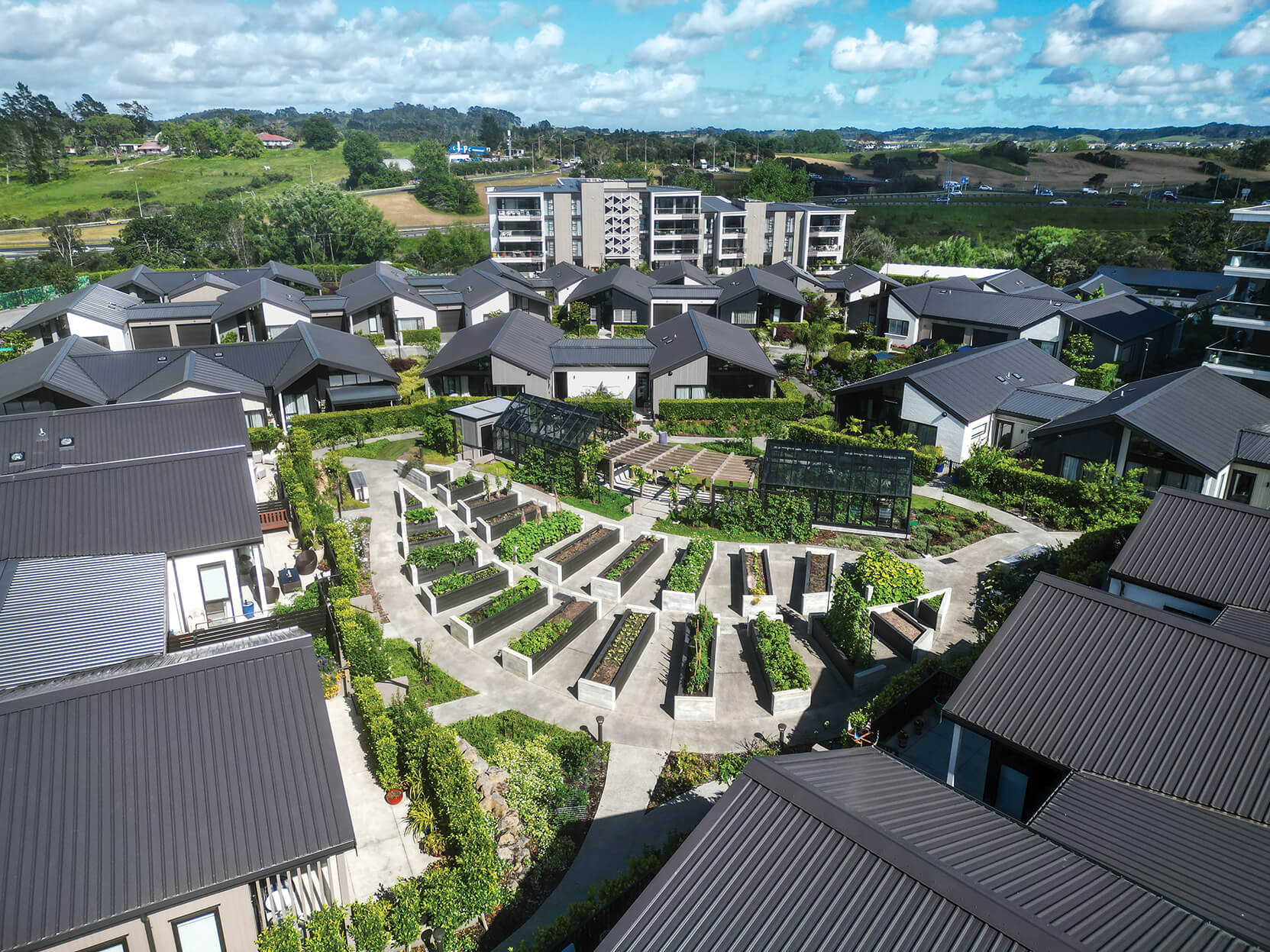
In New Zealand, around 95 per cent of retirement village units are sold under a licence to occupy agreement, making the ORA by far the most common arrangement in the sector. Just over 50,791 people currently live in retirement villages across the country, and that number is growing rapidly as New Zealand’s population ages.
At The Botanic Hibiscus Coast, as with all registered retirement villages in New Zealand, the ORA is the foundation of your residency. It’s designed to be transparent, fair, and clearly understood before you commit. The sales team at The Botanic can walk you through every aspect of the agreement, and you will also receive independent legal advice before signing anything, as required by law.
Section 1: Key Terms Explained in Plain English
Retirement village documents can sometimes feel like they were written for lawyers rather than people. Here’s a straightforward guide to the terms you are most likely to encounter.
Occupation Right Agreement (ORA) – The legal contract that gives you the right to live in your retirement village home. An ORA sets out the terms on which you can live in the village, along with the rights and obligations of both you and the village operator. At The Botanic, your ORA covers everything from how your home is maintained to what happens when you decide to leave.
Occupation Licence – Another name for the right granted by an ORA. It’s not a title to the property; it’s a licence to occupy a specific unit within the village. The terms are often used interchangeably.
Entry Payment – The lump sum you pay to secure your home in the village. At The Botanic, this reflects the type of home you choose, whether that is a villa or apartment, and covers your right to occupy the property and enjoy all of the village’s amenities.
Weekly Fee – An ongoing contribution toward the upkeep of shared facilities, maintenance, staff, insurance, and communal amenities. At The Botanic, this fee is currently fixed for life, so there are no surprises when it comes to budgeting.
Deferred Management Fee (DMF) – A fee that the village operator deducts from your entry payment when you leave. It’s sometimes described as a management fee that is “deferred” until the end of your residency rather than charged upfront. At The Botanic, the DMF is calculated at 10% per year for three years, meaning it will not exceed 30% of your entry payment. This structure is typical of the sector, where the entry payment is refunded when you surrender the ORA after the village operator deducts a Deferred Management Fee.
Disclosure Statement – A document the village operator is required by law to provide before you sign your ORA. It sets out the village’s financial information, key terms, and other details to help you make an informed decision.
Code of Residents’ Rights – A set of legally guaranteed protections for all retirement village residents in New Zealand, extracted from the Retirement Villages Act 2003. The Code of Residents’ Rights guarantees fair treatment and access to dispute resolution, including the 15-working-day cooling-off period.
Cooling-Off Period – Residents under every ORA have the benefit of a 15-working-day cooling-off period. Residents can terminate the ORA within 15 working days of signing it without having to give any reason, and any deposit will be refunded.
Retirement Villages Act 2003 – The primary piece of legislation governing retirement villages in New Zealand. Its purpose is to protect the interests of residents and intending residents of retirement villages, and to enable the development of retirement villages under a legal framework that is readily understandable by residents, intending residents, and operators.
Section 2: What You Buy and What You Do Not Buy
This is the section that tends to generate the most questions, and rightly so. It’s important to be clear on what you are and are not getting when you enter into an ORA.
What you do get:
- A secure, legally protected right to occupy your chosen home in the village for as long as you wish to live there
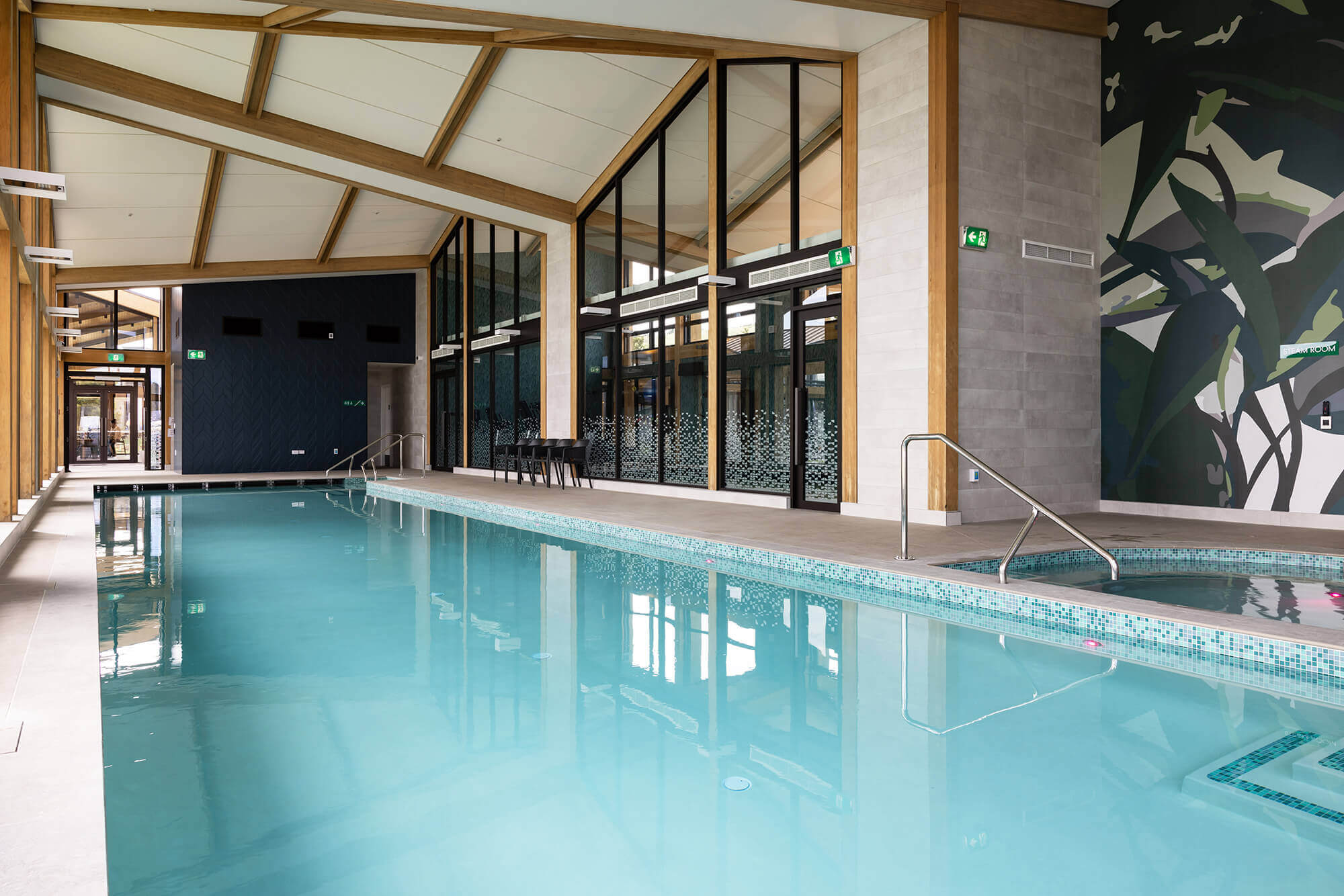
- Access to all of the village’s shared amenities and facilities; at The Botanic, that includes the 20-metre indoor heated pool, spa, sauna, steam room, fully equipped gym, Community Gardens, bowling green, and the award-winning Clubhouse Cafe
- The peace of mind that comes from living in a purpose-built, well-maintained environment with professional management on site
- Legal protections under the Retirement Villages Act 2003, including the Code of Residents’ Rights and the 15-working-day cooling-off period
- The ability to end your residency at any time by giving 30 days’ notice
What you do not get:
- Freehold title to your property. Retirement village living differs from home ownership in several key areas. One of the key distinguishing features is that you do not “own” outright the apartment, villa or suite as with a freehold title to a home.
- The ability to sell or transfer the property independently
- Automatic participation in any capital gain on the property (though at The Botanic, specific arrangements around capital gain may apply; the sales team can explain any current offers in detail)
- The responsibilities that come with freehold ownership, such as managing maintenance, rates, and insurance yourself
For many people, particularly those who have spent years maintaining a larger family home, this trade-off is actually one of the appealing things about retirement village living. The day-to-day responsibilities of property ownership are handed over, freeing up time and energy to enjoy life. It’s not the right arrangement for everyone, though, which is why it is so important to understand it fully before committing.
It’s also worth knowing that an intending resident must receive independent legal advice before signing the occupation right agreement. This is not optional. At The Botanic, the sales team actively encourages prospective residents and their families to seek both legal and financial advice as part of the process.
Section 3: Fees, Exits, and Resale Basics
Understanding the financial mechanics of a retirement village is essential, particularly for adult children who may be helping a parent through the decision-making process.
The entry payment and your refund
When you move into The Botanic, you pay an entry payment that reflects the home you have chosen. This money is held securely. When you leave, whether that is because you are moving to aged care, moving to be closer to family, or for any other reason, the entry payment is refunded to you or your estate, less the DMF. At The Botanic, the DMF is a maximum of 30% (10% per year for three years), meaning at least 70% of your original entry payment comes back to you.
Weekly fees
Your weekly fee covers the running costs of the village, including maintenance, staffing, facilities, and insurance. At The Botanic, this fee is fixed for life, which is an important distinction. Knowing exactly what you will pay each week, regardless of what happens to inflation or market conditions, makes financial planning much more straightforward.
Leaving the village
You can leave at any time by giving 30 days’ notice. The village operator is then responsible for finding a new resident for your home. At The Botanic, if we haven’t sold your home after six months, we have a penalty clause specific to The Botanic and we will pay interest on the amount owning.
Capital gain
In a standard ORA arrangement, the capital gain on your property goes to the operator, not to you. At The Botanic, this is something the sales team can discuss in the context of any current or limited time offers.
Upcoming changes to the Act
The Retirement Villages Act 2003 is currently being reviewed by the New Zealand Government.
Section 4: Questions to Ask Before Signing
Whether you are visiting The Botanic for the first time or have already toured the village and fallen in love with it, there are some important questions worth asking before you put pen to paper on an ORA. Your lawyer will have their own list, but these are a good starting point.
About the ORA itself:
- What is the total entry payment, and what does it include?
- What is the weekly fee, and is it fixed or subject to increases?
- What is the exact DMF structure, and how is it calculated?
- What happens to any capital gain if my home is resold at a higher price?
- What are the conditions under which the operator can change the terms of my residency?
About leaving and resale:
- What is the process if I need to move into higher-level care?
- How long does resale typically take, and when would I or my estate receive a refund?
- Are there any costs involved in the exit process beyond the DMF?
About the village itself:
- What amenities are currently available, and which are planned for the future?
- What does the weekly fee cover, and what would I need to pay for separately?
- What is the process for resolving a complaint or dispute?
- Is there a Residents’ Committee, and how does it work?
About financial and legal protection:
- Can you provide the village’s latest disclosure statement?
- Is the village registered with the Companies Office? (All retirement villages in New Zealand must be registered; you can verify this at the Companies Office website.)
- Will I be required to have independent legal advice before signing?
At The Botanic, every prospective resident is encouraged to take the time they need, ask every question they have, and involve their family and professional advisors in the process. The sales team, Michelle and Kathryn, are experienced, patient, and happy to go through the details as many times as it takes to feel confident.
Why The Botanic Approaches This Differently
Most of this article applies to retirement villages across New Zealand. What sets The Botanic Hibiscus Coast apart is not just the quality of its homes and amenities; it’s the transparency and care with which the team approaches the process of helping people understand what they are signing up for.
The Botanic is one of Auckland’s leading luxury retirement villages, with more than 200 residents already calling it home. The village is purpose-built on the beautiful Hibiscus Coast in Silverdale, less than five minutes from the Hibiscus Coast Bus Station and the Northern Motorway, making it well connected to everything the wider Auckland region has to offer.
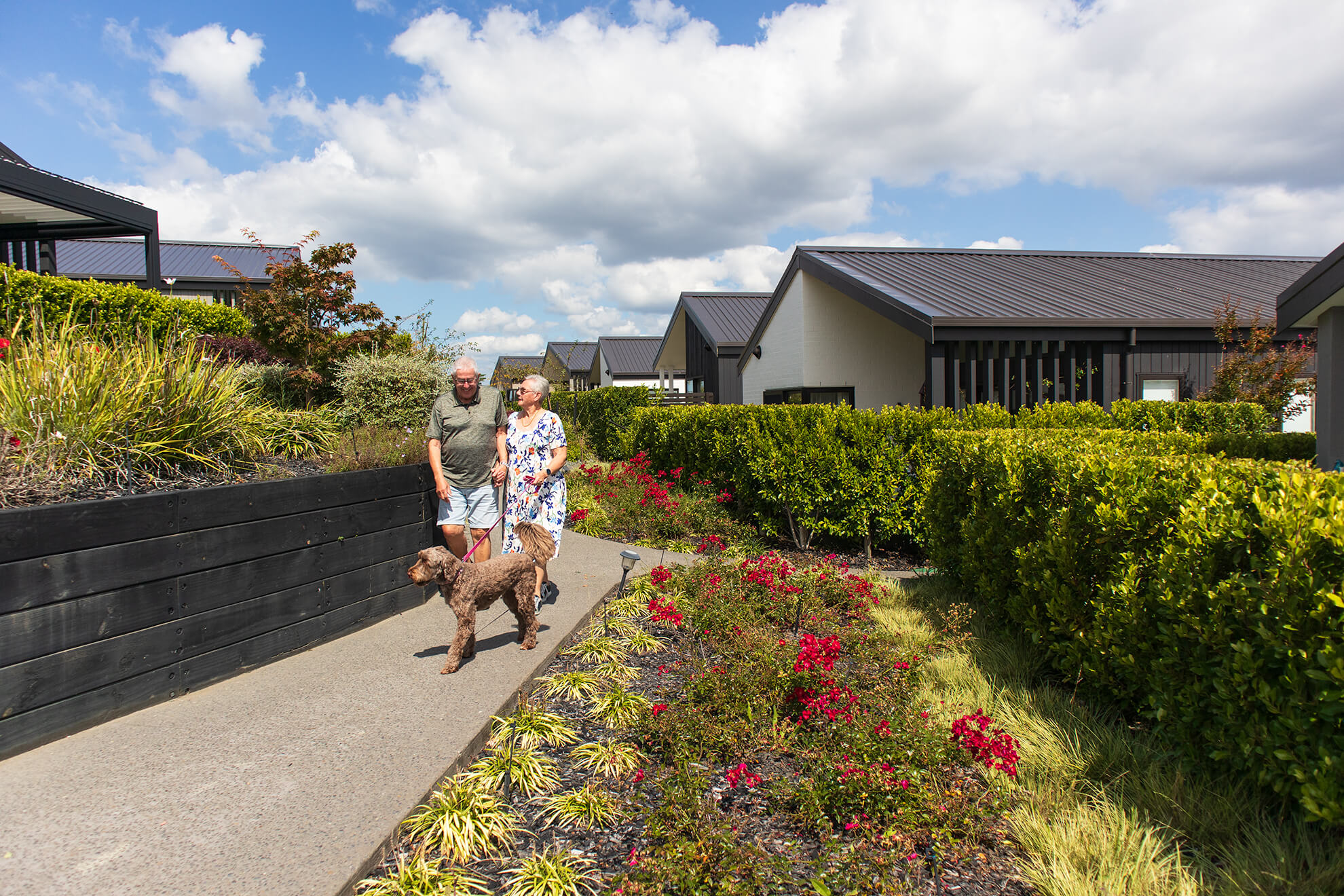
Homes at The Botanic include single-level 1, 2 and 3-bedroom villas with internally accessed garages and spacious, light-filled Rimu apartments, all set within beautifully landscaped gardens. Amenities include the Clubhouse Cafe, a 20-metre indoor heated pool, spa, sauna, steam room, fully equipped gym, Community Gardens, and a three-rink bowling green. A future care centre with hospital-level care and memory care is also planned, so residents can have confidence that a full continuum of care will be available within the same familiar community if their needs change over time.
Understanding the financial structure of your ORA is the foundation of a confident, well-informed decision. The team at The Botanic is committed to making sure that every prospective resident and their family has everything they need to reach that confidence before they sign.
To arrange a visit, speak with Michelle or Kathryn on 0508 268 264, or complete the contact form on The Botanic website.
Frequently Asked Questions
What is an Occupation Right Agreement (ORA) in simple terms?
An ORA is a legal contract that gives you the right to live in a retirement village home for as long as you choose. You do not own the property in the freehold sense, but you have a secure, legally protected right of occupancy. The agreement sets out what you pay, what you receive in return, and what happens when you decide to leave.
How is an ORA different from buying a house?
When you buy a house, you receive a freehold title and you own the property outright. With an ORA, you are purchasing the right to occupy the property, not the property itself. This means you are not responsible for the same maintenance and insurance obligations as a homeowner, but it also means you do not hold the property as an asset in the traditional sense and typically do not benefit from capital gain.
What is a Deferred Management Fee and why does it exist?
The DMF is the village operator’s charge for managing and maintaining the village over the course of your residency. Rather than being charged upfront, it is deducted from your entry payment when you leave. At The Botanic, the DMF is 10% per year for three years, capped at 30% of the entry payment.
Is my entry payment safe?
Yes. The Retirement Villages Act 2003 includes provisions to protect residents’ entry payments. All retirement villages must be registered, and they are subject to ongoing oversight. Independent legal advice is required before signing an ORA, and the cooling-off period provides an additional layer of protection.
What protections do I have as a retirement village resident?
Residents are protected by the Retirement Villages Act 2003, the Code of Residents’ Rights, and the village’s Code of Practice. These cover your right to fair treatment, consultation on changes to services and fees, access to dispute resolution, and the 15-working-day cooling-off period after signing your ORA.
Can I leave the village whenever I want?
Yes. You can end your residency at any time by giving 30 days’ notice. The village is then responsible for finding a new resident and processing your refund, less the applicable DMF.
Do I need a lawyer to sign an ORA?
Yes. The Retirement Villages Act 2003 requires that all intending residents receive independent legal advice before signing an ORA. This is a legal requirement, not just a recommendation, and is an important protection for you.
What happens to my home if I need to move into aged care?
If you need to move into a higher level of care, your ORA can be surrendered and the refund process begins. At The Botanic, the planned on-site aged care home means residents may be able to transition within the same community, which provides significant reassurance for residents and their families alike.
Where can I find out more about the Retirement Villages Act 2003?
The Ministry of Housing and Urban Development is the best place to start for official information on the Act, resident rights, and the current review process. Your lawyer will also be able to guide you through the specific details of your ORA.
For more information about life at The Botanic Hibiscus Coast, visit thebotanic.co.nz or call the sales team on 0508 268 264. The Botanic is located at 17 Small Road, Silverdale, Auckland.
