Why younger New Zealanders are looking at retirement living sooner
Why are those of us in our 50’s & 60’s exploring retirement living earlier?
Over-55s are exploring retirement living earlier because it lets them choose their preferred home and layout, hand over home maintenance, and enjoy village amenities while fully active. Planning ahead also means making housing decisions calmly and on their own terms, rather than under pressure during a health crisis or after a sudden life change.
Getting ahead of the curve, do your research before you need to move!
For a long time, the phrase “retirement village” carried one narrow picture: a modest complex you moved into once you could no longer manage at home. That picture is fading. A growing number of people in their late 50s and 60s now see retirement living as something quite different: a deliberate lifestyle upgrade they can choose while they are fit, curious and firmly in charge of their own diary.
The wider numbers show why the conversation is happening sooner. Stats NZ says the number of New Zealanders aged 65 and over is likely to reach 1 million by 2028. The Retirement Villages Association of New Zealand reports that more than 53,000 Kiwis now call a retirement village home, and approximately 130 people move in each week. Retirement living is no longer a niche decision, and people planning the next 20 or 30 years are treating it as a mainstream option worth understanding early.
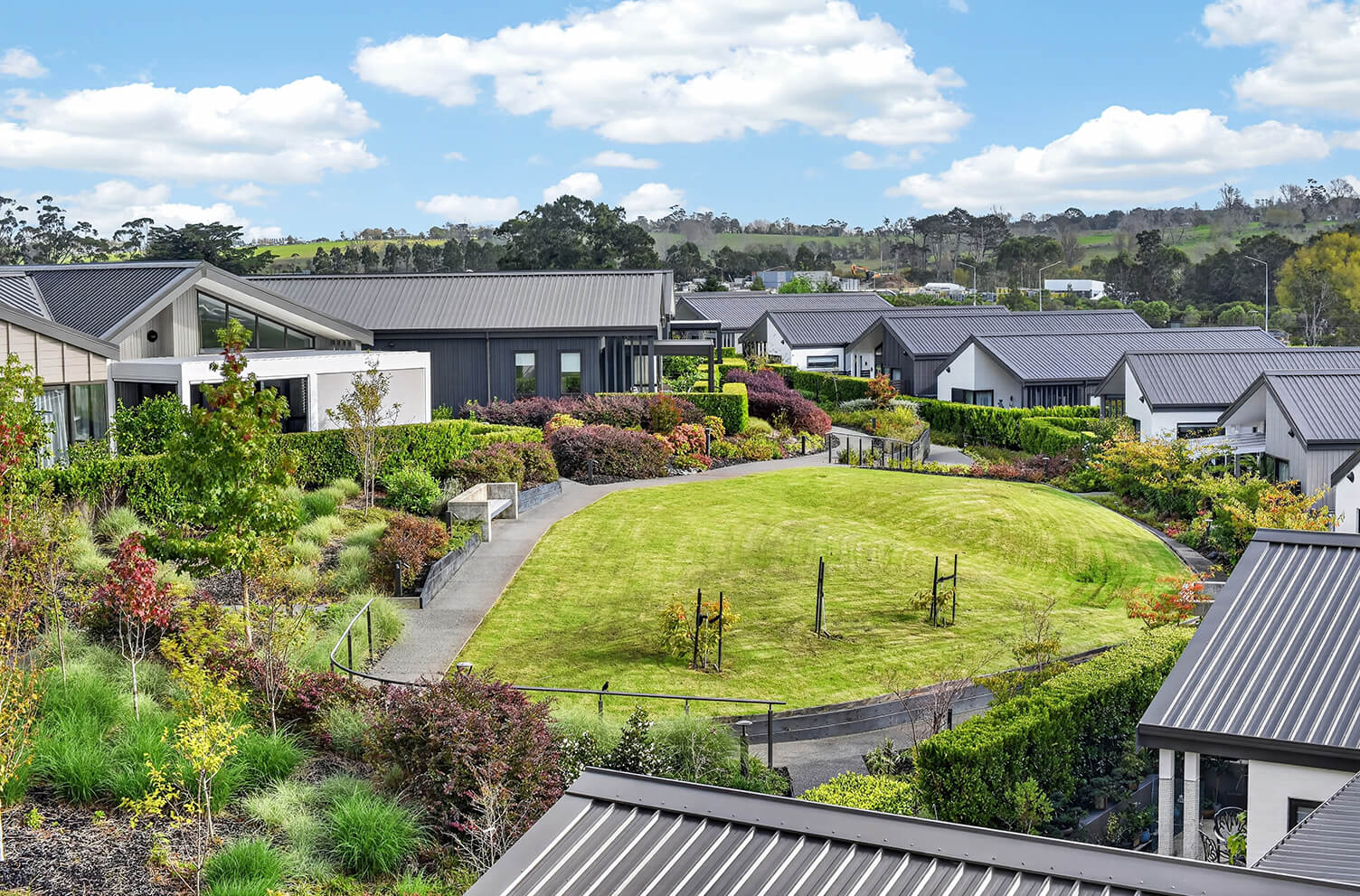
That is the thinking behind the new generation of resort-style senior living, and The Botanic in Silverdale on Auckland’s Hibiscus Coast is a great example. Its light-filled villas and apartments sit alongside an award-winning Clubhouse Café, a 20m heated indoor pool, a wellness centre, a bowling green, community gardens and landscaped walking trails. It is designed for active, young-at-heart adults who want more from the years ahead, not less.
This article looks at why early planners are getting ahead of the curve, what they gain from it, and how you can start exploring your own options without any commitment.
The lifestyle benefits of planning ahead
The most obvious advantage of moving early is simply having more years to enjoy what a village offers. Resort-style living rewards people who arrive with energy to spare.

- Make full use of the amenities. A wellness centre, a heated pool, a bowling green and landscaped walking trails are far more valuable when you can use them daily, not just admire them.
- Trade property maintenance for leisure. The lawn mowing, painting and repairs that fill the weekends of a family home are typically taken off your hands in a village, freeing time for the things you have been putting off.
- Travel and explore with confidence. With a low-maintenance home to return to, an extended trip along the coast or overseas becomes far easier to plan.
- Build your community while you have the energy. Friendships form fastest when you can say yes to the coffee mornings, clubs and events that fill a village calendar.
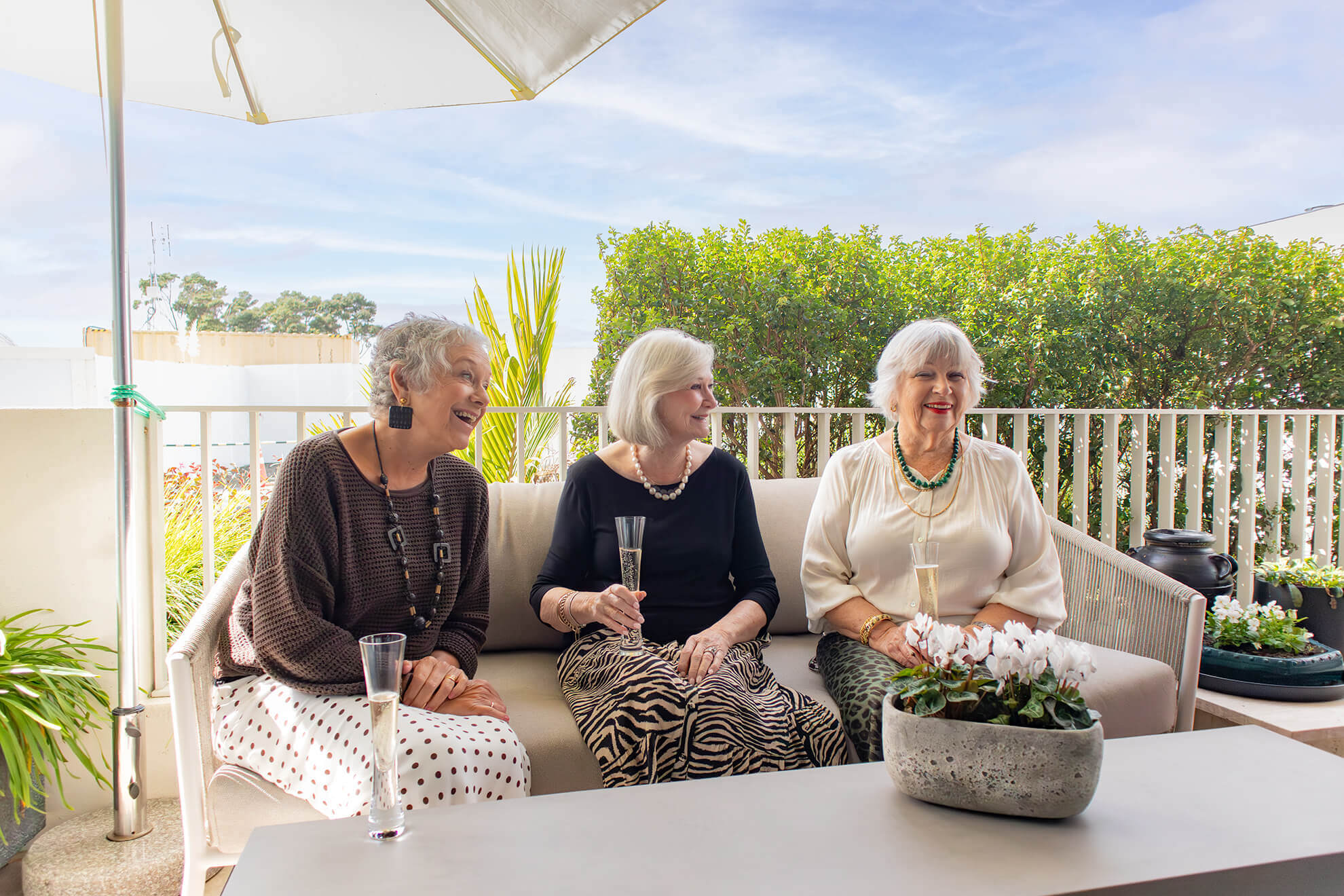
A quiet lunch at a village café, a swim before breakfast or a walk through the gardens with a new neighbour are small things, but they add up to a very different everyday rhythm.
Insight from Kathryn Rule, Sales Administrator & Consultant at The Botanic (9+ years in retirement living and aged care): “When people move in while they are fit and active, they hit the ground running. They join the fitness programmes, pop into the Café, get involved with the clubs and events, and make friends in their first few weeks because they have the energy to say yes to everything. Those early connections make the whole transition feel natural, and residents often tell us they wish they had done it sooner.”
Financial flexibility and timing
One of the quieter advantages of planning early is the luxury of time. When you are not up against a deadline, you can choose when to sell the family home, ideally when market conditions suit you, instead of when circumstances decide for you.
Early planning also brings clarity to the numbers that matter most:
- Entry costs. Understanding what you would pay to move in, and how that compares with the value of your current home, is far easier when you can research calmly.
- Ongoing living costs. Knowing what regular village fees cover, and how they compare with the running costs of a family home, helps you budget with confidence.
- Equity management. Any equity left over after buying a village home can be planned for deliberately, ideally with an independent financial adviser, rather than worked out in a hurry.
You are also in good company. Village Guide’s consumer research found that approximately 10% of New Zealanders aged 65 and over currently live in a retirement village, with a further 15% actively considering a move. Exploring the option early simply means you are doing your homework before you need the answers.
Insight from Michelle Pipping, Sales & Marketing Manager at The Botanic (20+ years in residential building and retirement living): “Many of the people I meet in their late 50s and 60s are not moving because they have to. They are moving because they want to, and they want the freedom to choose the villa or apartment, the layout and the position that suits them, without a deadline hanging over them. Starting the conversation early means families can look at their options at their own pace, ask every question they like, and sell the family home when the timing feels right.”
Every village’s agreement is different, so it is wise to take independent legal and financial advice before committing to any village.
Reducing stress by deciding early
There is a gap between thinking about a move and making one. Village Guide’s research found that the idea often starts forming from age 60, but actual moves tend to happen later, around age 70 and beyond, and that 80% of those considering a move expect to make it within five years. What happens inside that gap decides whether the move feels like a choice or a reaction.
| Proactive planning | Reactive moving | |
| Who decides | You, on your terms | Often circumstances, or others on your behalf |
| Timeline | Months or years to research | Weeks, sometimes days |
| Choice of home | Your preferred layout and position | Whatever is available at the time |
| Family role | Supporters who know your wishes | Decision makers under pressure |
| How it feels | A considered upgrade | A stressful necessity |
For adult children, an early decision is a gift. Instead of worrying about “what if” and having difficult conversations in a hurry, they can see that a plan is already in place and that the choice was made by the person it matters to most. Control stays firmly where it belongs, in the hands of the parents.
Making the move early does not mean making it alone. The practical side of relocating, from sorting and packing to settlement dates and moving day, is where hands-on support matters most.
Insight from Nicole Byrne, Resident Transition & Village Support at The Botanic: “Moving is a big step whatever your age, so my job is to take the weight off residents’ shoulders. I support people from the first practical questions right through to move-in day, coordinating the logistics so nothing falls through the cracks. When people plan early, there is time to do it all at a comfortable pace, and it feels less like a move and more like an exciting fresh start – the beginning of the next chapter.”
How to start exploring your options without commitment
Researching retirement living does not mean signing anything or setting a date. If you are just beginning, these low-pressure steps are a good place to start:
- Attend an open day or take a casual walkthrough. Seeing a villa or apartment in person tells you far more than a brochure, and it is the easiest way to judge light, space and layout for yourself.
- Stop by the village café. Having a coffee or lunch at The Clubhouse Café at The Botanic gives you a feel for the resident culture, the atmosphere and the pace of village life.
- Talk to current residents. The people who already live there are the best source of honest feedback, from what they love to what they would do differently.
- Ask about registering your interest early. Ask the sales team how it works and whether it can give you early notice of new homes or stages as they are released, so you keep your preferred options open while you take your time.
- Bring your family in. Inviting your partner, friends or adult children along means everyone hears the same information and the decision stays a shared, unhurried conversation.
And if the answer turns out to be “not yet”, that is a perfectly good outcome. You will simply know exactly what you are planning for.
Frequently asked questions
What is the minimum age to move into a modern retirement village in NZ?
There is no single national rule, because each village sets its own entry age. According to Eldernet, some villages allow residents from 55, while others commonly set a minimum of between 65 and 75, and some make exceptions where a partner meets the age requirement. At the Botanic, our minimum move in age is 65 (however for couples, one partner may be younger) and our Sales team can confirm the entry criteria for each type of home on a quick call or a personal tour.
Is it better to move into a retirement village early or wait until I need support?
There is no one-size-fits-all answer, and the right timing depends on your health, finances and readiness. Moving early tends to offer more choice of home, more energy to enjoy the amenities and far less pressure. Waiting can feel easier in the short term, but it often means deciding at a more stressful time. It also helps to know what support is available later: Mānuka Care, an aged care facility at The Botanic, is coming soon, so future care needs can be considered on the same site.
How does living in a village like The Botanic support an active lifestyle?
Day to day, it puts fitness, nature and company on your doorstep. Residents have access to a wellness centre, a 20m heated indoor pool, a bowling green, community gardens, landscaped walking trails and the award-winning Clubhouse Café, alongside a calendar of community events and social groups. With home maintenance largely taken care of, there is simply more time and energy for all of it.
Can I join a waitlist at The Botanic before I am ready to sell my home?
Many people begin the conversation long before they list their home, and that is exactly what early planning is for. The best step is to speak with the sales team, who can explain how registering your interest and reserving a home work at The Botanic, and what flexibility exists around timing. You can call 0508 268 264 or ask at the show home.
Take control of your future, on your own terms
Planning early is not about rushing your retirement. It’s about opening the door to a richer, easier and more fulfilling lifestyle, chosen while you still have every option in front of you: your preferred home, your timing, your community and your peace of mind.
Your low-pressure first step
The easiest way to begin is simply to visit. Pop into The Clubhouse Café at The Botanic, 17 Small Road, Silverdale, for lunch and a look around, or book a relaxed tour of the show homes with Michelle and Kathryn. There is no obligation and no pressure, just a chance to see what next-generation retirement living on the Hibiscus Coast really feels like. To arrange a visit, call 0508 268 264 or visit thebotanic.co.nz.
