Events

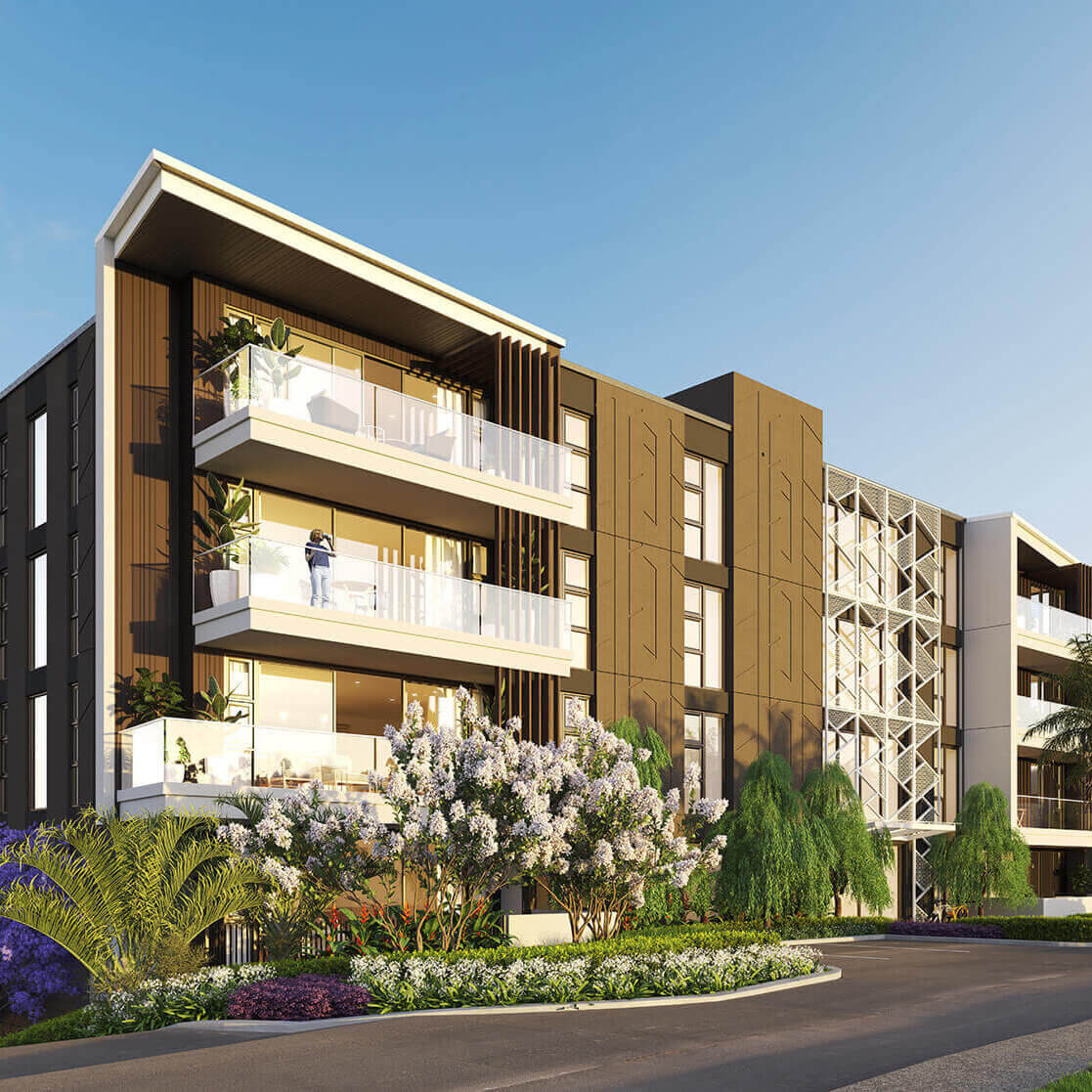
Tour the new Rimu Apartments

Tuesday 17 December, 12.30-3.30pm
57 Evergreen Drive, The Botanic Silverdale

Be one of the first to see the brand-new Rimu apartments and make an afternoon of it because the popular Clubhouse Café will be open throughout the day for coffee, drinks, and meals.

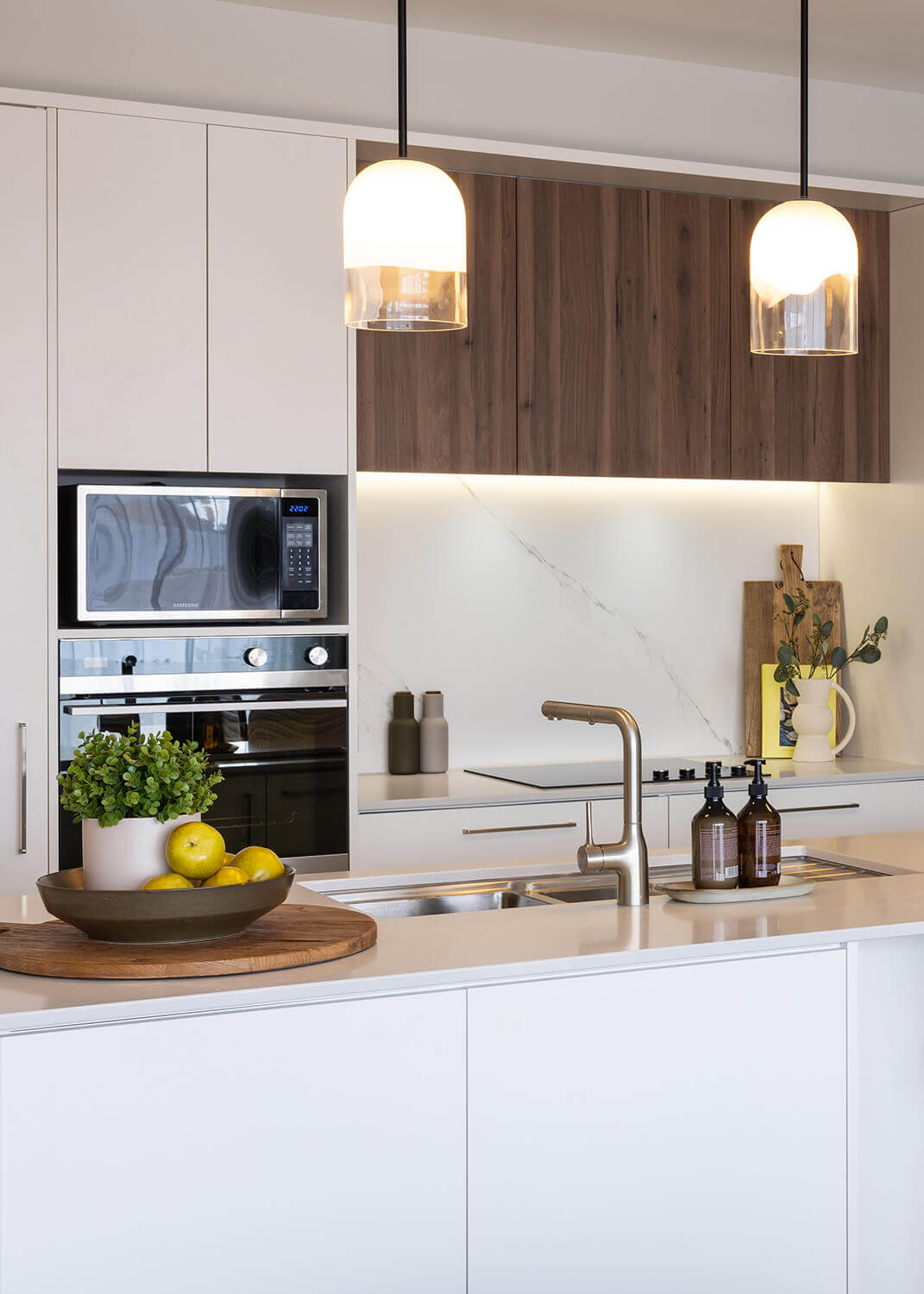
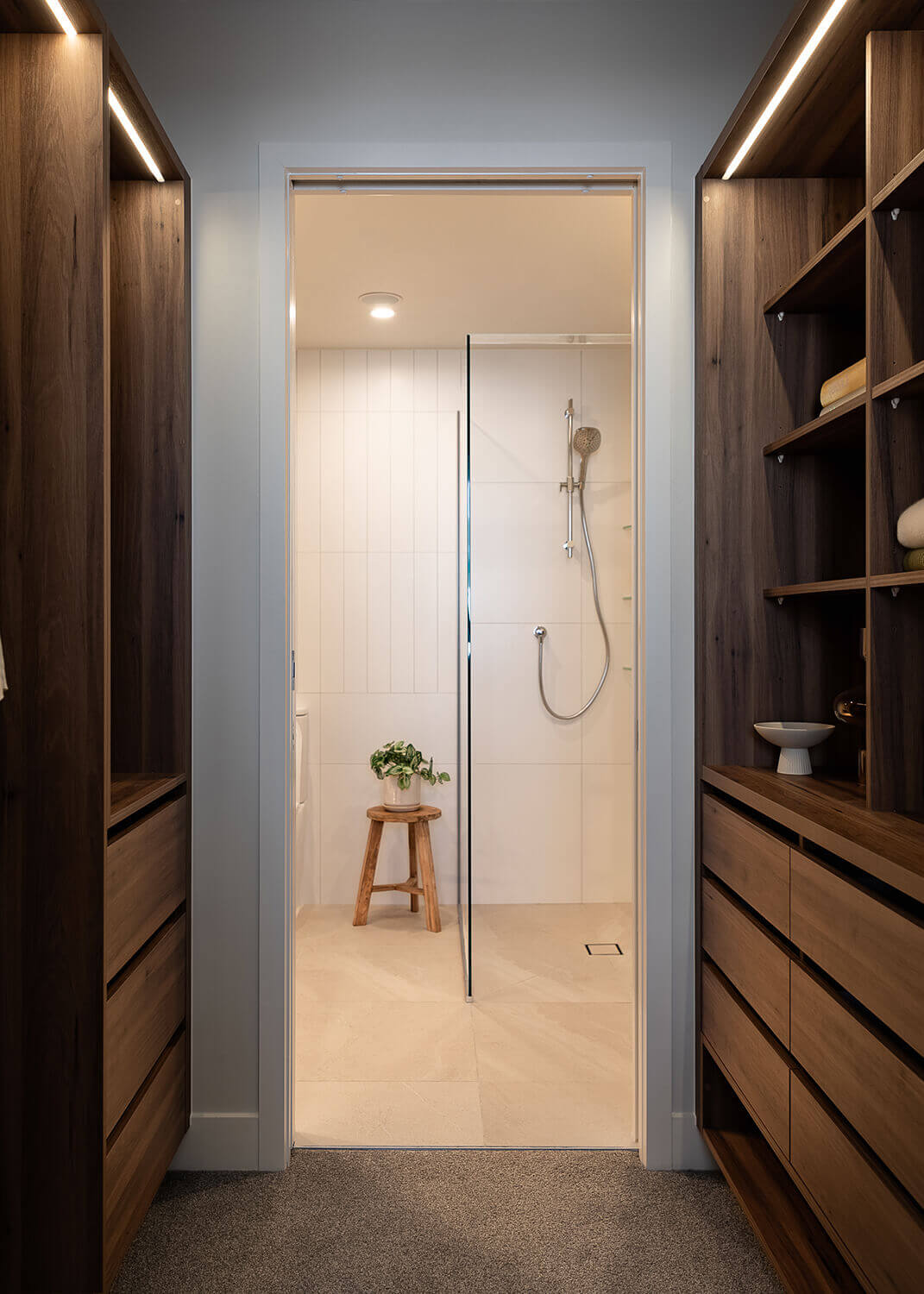
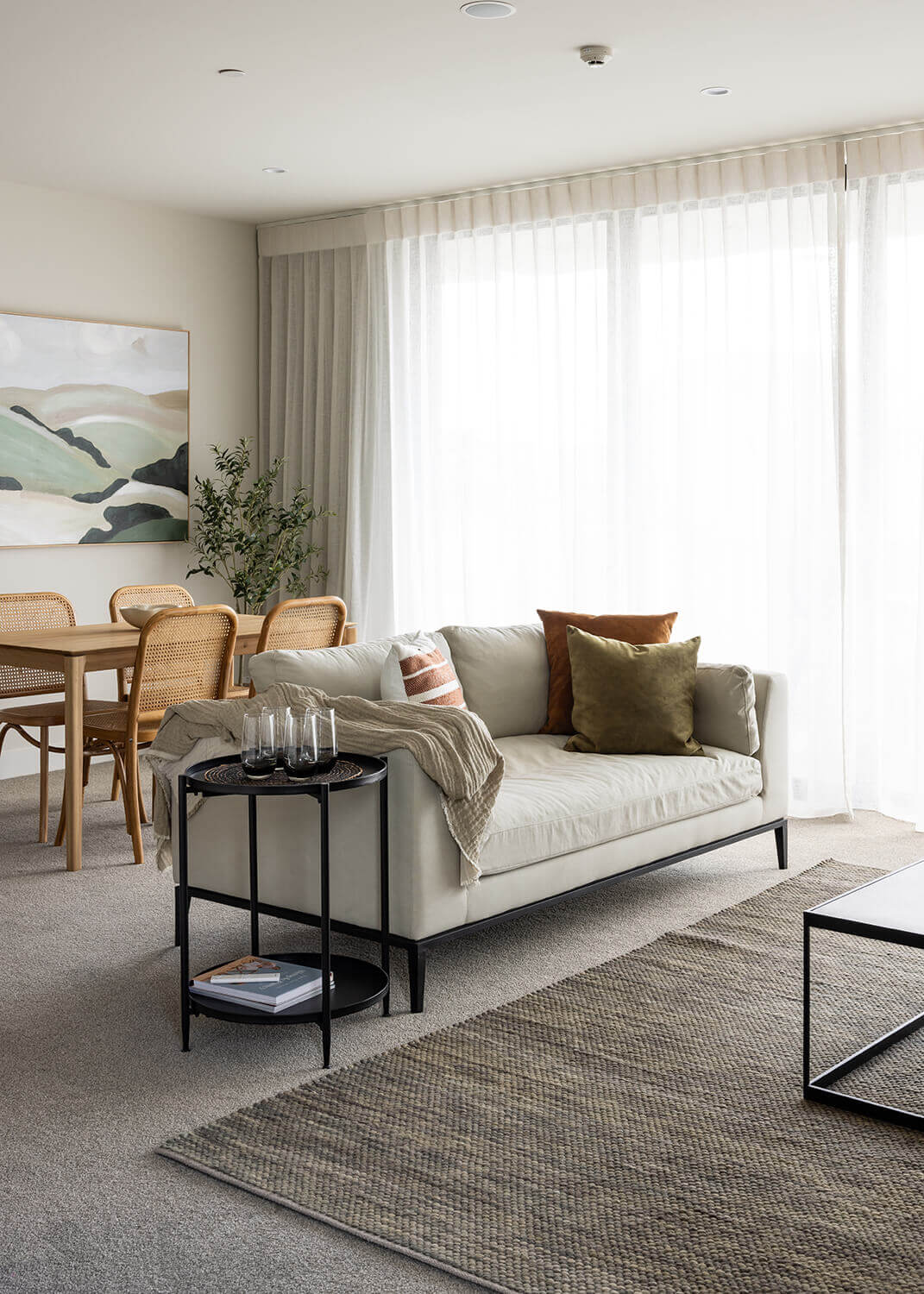
Every apartment has floor to ceiling glass and is flooded with light, boasts a walk-through wardrobe, a large balcony or patio, and includes underground parking.

You can secure a one, two, or three bedroom apartments with a fully refundable $5k deposit.

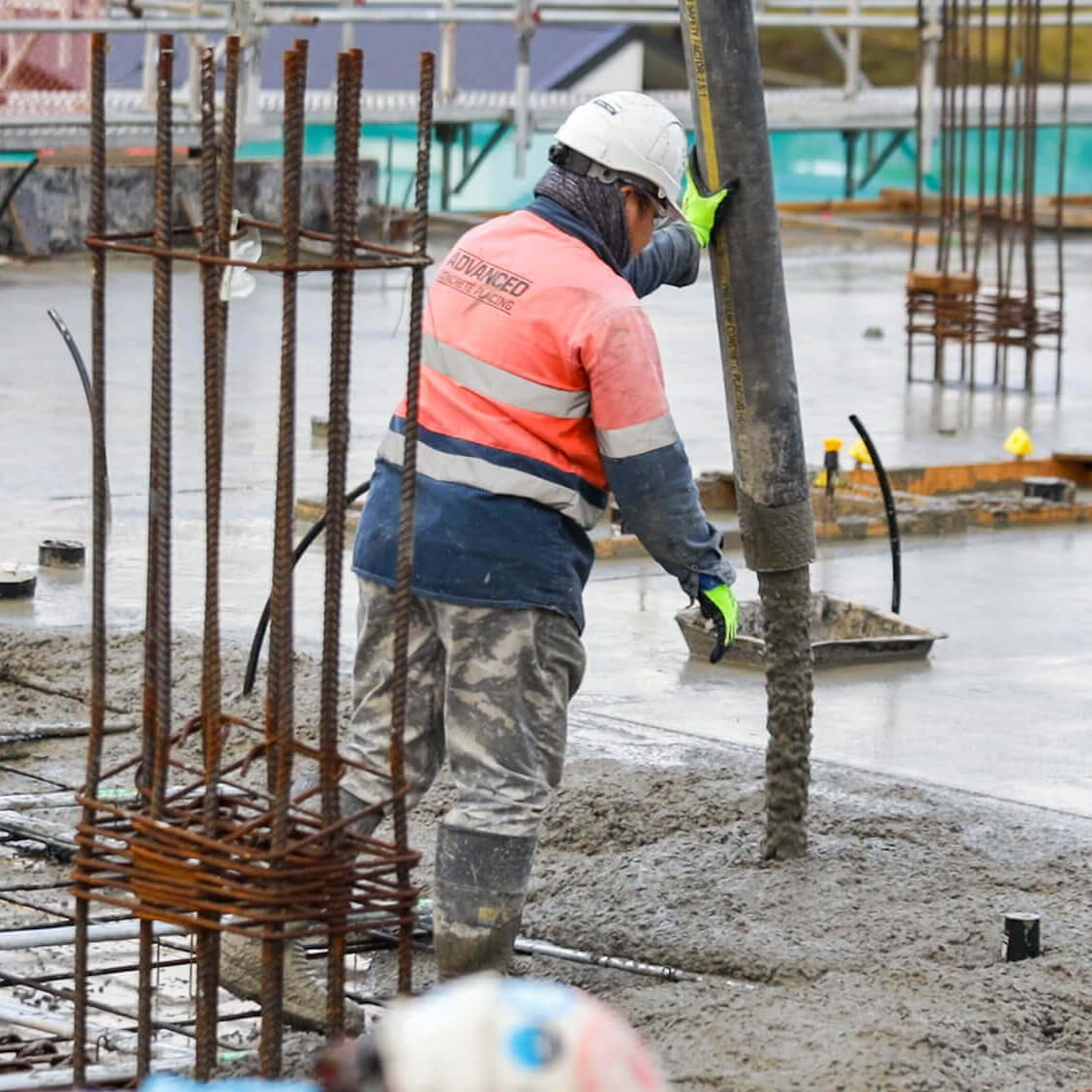
Please join us on Tuesday 17th December, between 12.30pm-3.30pm for a tour of the iconic Rimu apartments as our village celebrates reaching this wonderful construction milestone.

Look back on this project

Drone videos

November 2023
June 2024
April 2024
November 2024

News and updates

Rimu Apartments construction milestone

A roof tent has been fitted on the second apartment building at The Botanic Silverdale marking a significant milestone in the village’s development…

Preparing for every eventuality at The Botanic Silverdale

To anyone not in the know, it looked like a real-life medical emergency was unfolding at The Botanic Silverdale, but it was an important training…

Render of three-storey apartment building with large balconies.

Our Rimu Apartment building is underway

Construction has begun on the second apartment building at The Botanic Silverdale with 32 one, two, and three-bedroom apartments…

Published 3 December 2024

Recent Posts

Summer Open Weekend: Friday 20th, Saturday 21st and Sunday 22nd February 2026

Would you like to find out more about luxury retirement living on the beautiful Hibiscus Coast? Mark your calendars for The Botanic Hibiscus Coast’s Summer Open Weekend on between 10am – 3pm from Friday 20 until Sunday, 22nd February 2026. Come along to our showhomes at 8 Bronzewater Drive, 3 Sage Close, 5 Perennial Place and the Rimu Apartment building on Evergreen Drive and see first-hand what makes The Botanic the Hibiscus Coast’s premier, luxury retirement village. Brand New Villas They’re selling fast, our brand new two and three-bedroom villas are something quite unique to the market – if you haven’t seen one yet we urge you to come through for a look! From premium finishes to seamless access and sun-filled outlooks, every detail has been designed with lifestyle in mind, and now it’s yours to see! Step inside our new, single-level duplex villas, and you’ll find stylish, light-filled interiors with generous storage and a layout that makes everyday living easy. Each home includes an internally accessed garage and enjoys easy access to all the village’s luxury amenities. Elegant Apartments The Rimu Apartments at The Botanic If apartment living is more your style, our two-bedroom Rimu apartments are a must-see. Each residence combines contemporary design with generous proportions, offering two bedrooms, two bathrooms, and a spacious open-plan layout that flows seamlessly to your private balcony. It’s the perfect blend of privacy and connection, with the added bonus of having all of The Botanic’s luxury amenities right at your doorstep. Of course, if you can’t wait until October, you can arrange a personal visit and tour of any of our available properties with our wonderful sales team – Michelle and Kathryn. Call today on 0508 268 264 or complete a contact form and one of the team will be in touch. The Botanic Lifestyle Life at The Botanic is about so much more than living in a beautiful retirement home on the Hibiscus Coast. It’s about being part of a vibrant and connected community with luxury amenities right on your doorstep – from The Clubhouse Cafe to the wellness centre, 20m indoor heated pool, and Community Gardens – this is resort-style retirement living at its very best. What Can You Expect at the Open Weekend? 1. Tour Our Stunning New Two and Three-Bedroom Villas Meet our fabulous sales team, Michelle and Kathryn in the Show Home as they guide you through our luxury, light-filled retirement homes with high-spec finishing, fabulous indoor-outdoor flow, and the very best in modern retirement living. 2. Learn About Life at The Botanic Meet some of our Residents and hear their stories about retiring, village life, and making the move here. Whether it’s walking through The Botanic’s community gardens or finding out more about The Botanic’s resident-led social activities, you’ll gain a true sense of what life is like here. 3. Explore World-Class Amenities You are free to walk through our village, or we can drive you in one of our golf carts. While here, be sure to check out our Wellness Centre, which includes a 20m lap pool, spa, sauna, steam room, and a fully equipped gym. And if you’re feeling peckish, make sure you visit The Clubhouse Café and grab a coffee and a sweet treat on us! 4. Discover Resort-Style Living The Botanic offers amenities that redefine retirement living, and as one of our recent blog posts highlights, The Botanic “is a modern retirement village that is rich in connection and community, supporting like-minded residents to live the retirement they choose in a vibrant, nature-rich environment”. Why Visit The Botanic? Situated on Auckland’s beautiful Hibiscus Coast, The Botanic offers people more than just a place to live – it provides a lifestyle which is rich in connection, wellness, purpose, and joy. It really is the ‘best-in-class’ in modern retirement living, supporting Residents to live well, naturally, in their golden years. Plan Your Visit When: Friday 20th, Saturday 21st, and Sunday 22nd February 2026 Time: 10am-3pm Where: The Botanic Silverdale, 27 Evergreen Drive, Silverdale For more information, contact Michelle or Kathryn on 0508 268 264 or fill out a contact form, and we’ll get in touch with you. Come and see why more than 200 retirees now call The Botanic home. We can’t wait to welcome you! If you’re still not sure whether retirement living is for you, make sure you check out some of our recent posts, which are here to help guide you through the retirement process: https://thebotanic.co.nz/news/what-types-of-accommodation-are-available-at-the-botanic/ https://thebotanic.co.nz/news/life-at-the-botanic-redefining-luxury-retirement-living-in-silverdale/ https://thebotanic.co.nz/news/understanding-retirement-in-new-zealand-a-comprehensive-guide/ https://thebotanic.co.nz/news/the-right-time-to-make-the-move/ https://thebotanic.co.nz/news/making-the-move-to-the-botanic/ https://thebotanic.co.nz/news/an-introduction-to-the-botanic-silverdale/
Read more

Exploring the Hibiscus Coast Area: Why It Is One Of Auckland’s Most Sought-After Places To Retire

The Hibiscus Coast offers a rare combination of beautiful beaches, an older-skewing population, strong transport connections, and rapidly growing amenities that make it one of Auckland’s most compelling areas for retirement living. For retirees and their families, it provides the coastal lifestyle many dream of, without losing access to city-level healthcare, shopping, and transport.​​ Why the Hibiscus Coast stands out Shakespear Regional Park is one of the highlights in the area The Hibiscus Coast covers communities such as Orewa, Silverdale, Millwater and the Whangaparāoa Peninsula in Auckland's Hibiscus and Bays Local Board area. This part of the North Shore has grown rapidly over the past decade and now has more than 64,000 residents, with over one in five aged 65 or older - well above the Auckland average.​​ For someone planning their next chapter, that demographic profile matters. A higher proportion of residents aged 65 plus usually means more age-friendly services, clubs, and health providers.​ The median age in Hibiscus and Bays is over 41 compared to around 36 for Auckland overall, signalling a more established, lifestyle-focused community rather than a purely commuter suburb.​ This balance of growth plus maturity has helped the Hibiscus Coast develop a reputation as one of Auckland’s most desirable coastal lifestyle destinations for later life.​​ Lifestyle benefits for retirees Retirees looking at the Hibiscus Coast are usually weighing three things: lifestyle, convenience, and long-term security for themselves and their families. The area performs strongly on all three.​ Lifestyle advantages include: Long, walkable beaches such as Orewa that are known for flat, accessible beachfront paths suited to a range of mobility levels.​​ Easy access to regional parks and green spaces that support an active, outdoor life, which Auckland Council links with better physical and mental wellbeing for older residents.​​ Orewa Beach is the perfect place for a flat walk and a coffee after At the same time, the area is not cut off from the city. Silverdale sits on the Auckland Northern Motorway with a major interchange that connects directly to the Hibiscus Coast and Whangaparāoa Peninsula, making it simple to reach the CBD or the wider North Shore.​​ The Hibiscus Coast bus station at Silverdale anchors a fast busway connection, with express services that can reach central Auckland in around 30 to 35 minutes in typical conditions, which is attractive for part-time workers, volunteers and visiting family.​​ For many couples and adult children helping parents decide, this combination of relaxed coastal living plus real-world practicality is what tips the balance.​ Key areas on the Hibiscus Coast The Hibiscus Coast is not one place but a series of linked communities, each offering a slightly different flavour of retirement lifestyle.​​ Orewa – classic beachside village Orewa has long been synonymous with beach holidays and, increasingly, year-round coastal living.​​ The town wraps around a long, gently curving beach, and the waterfront esplanade offers a flat shared path that makes daily walking or cycling realistic for many older adults.​​ A compact main street of cafes, restaurants and boutiques supports a strong village feel, and the proportion of older residents in the wider Hibiscus and Bays area means many businesses are used to serving retirees.​​ For retirees who want to stay active, meet friends for coffee and still feel part of an everyday community, Orewa’s walkability and social energy are strong drawcards.​ Stanmore Bay is one of the most popular beaches on the Whangaparāoa Peninsula Whangaparāoa Peninsula – peninsula living with room to breathe Whangaparāoa Peninsula extends east from Silverdale with beaches on both the north and south coasts.​​ Locals can choose from a string of safe swimming beaches, boat ramps and coastal reserves, making it well-suited to retirees who enjoy sailing, fishing, or simply having the water nearby.​​ The peninsula has several golf courses and clubs, which are popular hubs for social connections and gentle exercise in later life.​​ At the end of the peninsula sits Shakespear Regional Park, one of Auckland’s oldest and busiest regional parks, with an estimated 700,000 visitors each year. Its gentle farm park landscape, predator-free wildlife sanctuary and mix of short walks and picnic spots are particularly friendly to multi-generational family outings.​​ Silverdale and Millwater – modern hub and master planned living Silverdale is the practical heart of the Hibiscus Coast, acting as the main interchange between the motorway, the peninsula and the coastal settlements further north.​​ The area has grown from a small service town into a modern hub with large format retail, everyday shopping, healthcare providers, and the main bus station for the Coast.​​ Significant public investment is going into transport infrastructure around Silverdale, including upgraded walking and cycling links and work to future proof key corridors for the growing population.​ Alongside Silverdale, master planned communities like Millwater have been designed with integrated parks, walkways, and local centres, which creates an attractive environment for downsizers moving from bigger family homes. For many prospective residents of a luxury retirement village, the appeal lies in being part of a community that feels modern and connected, rather than isolated or outdated.​​ Things to do for active retirees For retirees, staying engaged and active is not a nice-to-have - it is directly linked to better health outcomes, reduced loneliness and sharper cognitive function in later life in multiple international studies. The Hibiscus Coast offers a high density of everyday activities that support this kind of lifestyle.​​ Coastal walks and regional parks Orewa Beach and the Te Ara Tahuna Estuary Pathway provide long, mostly flat walkways suitable for walking, mobility scooters and bikes, helping residents clock up daily movement without needing to drive far.​​ Shakespear and Wenderholm Regional Parks both sit within easy driving distance and form part of a wider Auckland regional park network that saw a record 2.58 million visits in the first three months of 2024, highlighting how central these spaces are to residents’ wellbeing.​​ These parks offer short loop walks, accessible picnic spots, bird watching and gentle hills rather than extreme tramping, which suits a wide range of fitness levels among older visitors.​​ Sculptureum near Matakana is a popular day trip with residents Cafes, clubs and community When researching luxury retirement villages and where to live, many people place heavy emphasis on social connection, whether that is a retirement-age couple looking for book clubs and walking groups, or an adult child wanting to know their parent will not feel isolated.​ Across the Hibiscus Coast, there is a strong network of clubs, churches, Probus groups, U3A branches and hobby communities that cater to older adults, reflecting the area’s above-average share of residents aged 65 plus.​​ Coastal cafe culture in Orewa and neighbourhood centres around Silverdale and Millwater makes casual meet-ups easy, lowering the friction for everyday social contact, which is known to reduce loneliness.​​ Day trips and gentle adventures For those who enjoy getting out and about without committing to long travel days, the Hibiscus Coast is well placed. Day trips to historic Puhoi village, with its markets and riverside outlook, or north towards Warkworth and Matakana, are simple outings that many older residents enjoy.​​ Because Silverdale connects directly to State Highway 1 and the toll road north, it is straightforward to reach more distant beaches and townships while still returning home the same day.​ These smaller adventures appeal both to independent retirees and to adult children, who may want to spend quality time with a parent without complex logistics.​ A community already shaped by older Aucklanders One of the quiet strengths of the Hibiscus Coast as a retirement location is that it is already shaped by older residents, rather than trying to retrofit services later.​​ Recent census and local board data show that: Around 18 to 21 percent of Hibiscus and Bays residents are aged 65 or over, compared with roughly 13 percent for Auckland as a whole.​ The number of people aged 65 plus in the area has grown by about 50 percent since 2001, which has increased demand for health services, age friendly public spaces and relevant community programmes.​ For prospective residents and their families, this trend means: A stronger voice for seniors in local decision-making and facility planning.​​ A higher likelihood that everyday environments, from footpaths to bus services, have been considered through an older adult lens.​ This demographic reality is an important signal for anyone weighing up different regions around Auckland, especially when combined with the transport and amenity investment flowing into the Coast.​​ Perfectly placed luxury retirement living A luxury retirement village located in Silverdale - such as The Botanic - sits at the centre of this wider Hibiscus Coast ecosystem. While detailed information on facilities, care pathways and financial structures belongs in separate guides, the location story is clear.​ Being based in Silverdale allows residents to: Reach Orewa Beach, Whangaparāoa, and key regional parks within short, manageable drives for everyday recreation.​​ Access the motorway, busway station, and growing local services without feeling trapped in a purely urban environment, which aligns well with both independent retirees and adult children seeking peace of mind.​​ For retirees, the emotional challenge lies in leaving a long-loved family home without feeling they are giving up their independence. A village that is integrated with the Hibiscus Coast lifestyle - rather than remote from it - can make that transition feel more like an upgrade in day-to-day living than a loss.​ The Botanic Hibiscus Coast – the perfect place to start your next chapter Choosing where to live in retirement is about much more than four walls; it is about finding a community and location that feels like the right fit for the years ahead. The Botanic Hibiscus Coast brings together the coastal lifestyle, walkable amenities, and future-focused infrastructure that make this part of Auckland so appealing for retirees and their families.​ If you can picture yourself starting the day with a coffee in Orewa, heading out for a walk in one of the nearby regional parks, and coming home to a modern, beautifully designed village in Silverdale, The Botanic is an ideal place to begin that next chapter. To explore what life here could look like, you can view the latest amenities and community spaces on the dedicated Amenities page, browse current property listings to see which homes best match your lifestyle and budget, or get in touch to book a personal tour with one of the sales team, Michelle or Kathryn, who specialise in helping retirees and their families make confident, informed decisions about Hibiscus Coast retirement living. Discover retirement living perfectly placed on the Hibiscus Coast – talk to the team today. FAQ – Exploring the Hibiscus Coast for retirement Is the Hibiscus Coast a good area for retirees? Yes, the Hibiscus Coast has one of the highest proportions of residents aged 65 plus in Auckland, along with beaches, parks and amenities that support an active, social lifestyle.​​ How far is Silverdale from Auckland City? Silverdale is around 32 kilometres north of central Auckland via the Northern Motorway, and express buses on the Northern Busway typically take about 30 to 35 minutes in usual conditions.​ What outdoor activities are available for older adults? Residents can enjoy flat beachfront walks in Orewa, accessible paths around estuaries, and short loop tracks in regional parks such as Shakespear and Wenderholm that are popular with older walkers and families.​​ Is there good public transport on the Hibiscus Coast? The Hibiscus Coast bus station in Silverdale is a major park and ride hub connecting into the Northern Busway, giving reliable access to the North Shore and CBD even at peak times.​ Why choose the Hibiscus Coast over other Auckland suburbs for retirement? Compared with many suburbs, the Hibiscus Coast offers a higher share of older residents, strong coastal and park environments, and significant ongoing investment in transport and amenities, making it well-suited to long-term retirement living.
Read more

Pet-Friendly Retirement Living at The Botanic Hibiscus Coast

Pet-friendly retirement living means choosing a retirement village that welcomes your pet as part of your household, with clear policies, supportive facilities, and a community culture that values the bond between older adults and their animals. At The Botanic on the Hibiscus Coast, pets are embraced as part of village life, with thoughtful design, flexible policies, and a transparent, conversational approach that helps residents plan retirement living with their companions - not without them.​ Pets and modern retirement Retirement today looks very different from a generation ago; many older adults are healthier, more active, and more focused on lifestyle, autonomy, and emotional wellbeing than ever before. For a growing number of New Zealanders, that lifestyle absolutely includes dogs, cats, birds, and other companion animals that provide comfort, routine, and a sense of continuity through change.​ Nearly two-thirds of New Zealand households share their home with at least one pet, reflecting a deep national bond with animals - yet companion animal ownership declines noticeably after age 65, partly because traditional retirement options have not always supported residents to keep their pets. For solo retirees, widows or widowers, and those planning ahead for the future, the idea of being separated from a much-loved animal is often enough to delay or avoid a move that would otherwise improve their quality of life.​ Why pets matter so much in retirement For many older adults, pets provide emotional anchors during times of transition, such as downsizing, bereavement, or leaving the long-term family home. They offer unconditional affection, a reason to get up and start the day, and comforting routines that make a new environment feel familiar and safe more quickly.​ Studies in New Zealand and internationally consistently find that a large majority of pet owners see their animals as family members; in one national study, around three-quarters of cat and dog owners in Aotearoa described their pets in exactly those terms. When planning retirement, it is hardly surprising that people want reassurance that they will not have to choose between a safe, supportive village and the companion that has been by their side for years.​ The benefits of pet ownership in later life Companion animals contribute to wellbeing across emotional, physical, mental, and social dimensions - which is why they feature so strongly in conversations about healthy ageing.​ Emotionally, pets help to reduce loneliness, provide comfort, and create a sense of purpose; longitudinal research links pet ownership with better overall wellbeing and lower feelings of isolation among older adults. Many residents describe their pets as “someone to talk to”, “a reason to keep a routine”, and “company that makes the house feel alive” - all powerful protective factors for mental health.​ Physically, pets - especially dogs - encourage more frequent walking and light to moderate exercise, which supports mobility, weight management, and cardiovascular health. Studies of older dog owners show that those who walk their dogs regularly tend to have lower body mass index, fewer functional limitations in daily activities, and fewer visits to healthcare professionals compared with non-owners.​ Mentally, pet ownership has been associated with slower cognitive decline; recent longitudinal work found that older adults with pets - and particularly those who walk their dogs - experience less deterioration in cognitive function over time. Reduced stress, lower blood pressure, and calming daily rituals with animals also support brain health and resilience as people age.​ Socially, pets act as natural icebreakers in community settings; residents walking a dog, chatting about a cat, or swapping pet stories often find it easier to meet neighbours and build friendships. In retirement communities where pets are visible and welcomed, those everyday interactions can significantly reduce social isolation.​ For a deeper dive into the specific health and emotional advantages, check out “Benefits of Pet Ownership in Retirement.” The rise of pet-friendly retirement villages The Botanic Hibiscus Coast is home to lots of furry friends As awareness of these benefits grows, retirement villages across New Zealand are steadily shifting from restrictive pet rules toward more inclusive, considered policies. Village operators and regulators alike increasingly recognise that supporting pet ownership, when managed thoughtfully, aligns with broader goals around resident autonomy, wellbeing, and quality of life.​ Being “pet-friendly” is very different from simply saying “pets allowed” in the fine print; it implies clear guidelines, practical support, and physical environments that make life with animals safe and enjoyable for everyone. Organisations such as Companion Animals New Zealand and the Retirement Villages Association highlight the mental and social benefits of companion animals while also emphasising the importance of good design, clear expectations, and respect for residents who prefer not to live close to animals.​ What to look for in a pet-friendly retirement village When evaluating retirement villages that allow pets in New Zealand, it helps to move beyond yes-or-no answers and ask detailed questions about how pets are integrated into community life.​ Key aspects to explore include: Clear pet policyLook for specific information about which species are allowed, any size or breed considerations, and how many pets can live in each home. Transparent policies - ideally aligned with RVA standards and best practice guidance - reduce uncertainty and make it easier to plan for the long term.​ Outdoor spaces and walking areasA genuinely pet-friendly retirement village will provide safe, accessible outdoor areas such as walking paths, gardens, and enclosed patios or balconies where pets can enjoy fresh air without roaming near traffic. For dog owners, shaded walking routes with places to rest are especially important as both pets and humans age.​ Pet-friendly facilities and nearby servicesConsider whether the village has practical pet-support features such as waste bins, designated walking areas, or collaboration with local veterinarians and pet care providers. Access to nearby vets, groomers, and pet supply stores can make everyday life with animals far easier, particularly for residents who no longer drive.​ Supportive community culturePolicies matter, but culture is just as important; speak with sales teams and current residents about how pets are viewed day to day. Look for a tone of welcome and collaboration rather than reluctant tolerance, and ask how the village helps to balance the preferences of pet owners and non-pet owners.​ Safety and wellbeing considerationsGood pet-friendly design takes safety seriously, with secure boundaries, clear expectations around leads in shared spaces, and plans for emergencies or changes in a resident’s health. Some villages may ask residents to nominate a backup carer or plan for who will look after a pet if the owner becomes unwell, which can provide peace of mind for families as well as residents.​ How The Botanic embraces pet-friendly retirement living The Botanic Hibiscus Coast positions pets as part of the fabric of village life rather than an afterthought or exception; the philosophy is simple - if pets are part of your family, they are part of The Botanic. Residents already share the village with cats, dogs of many sizes, and feathered friends, and management remains open to discussing other species where the environment and welfare of the animal align.​ Thoughtful landscaping, generous walking paths, and secure private outdoor areas make it easy for residents and their companions to enjoy time outside together while still respecting the comfort of neighbours. The village’s pet approach is guided by Companion Animals New Zealand recommendations and the Retirement Villages Association’s focus on resident wellbeing, which helps ensure that policies reflect both best practice and the lived experience of residents.​ Planning retirement with your pet For those considering a move in the next few years, planning ahead with your pet in mind can make the transition smoother for you both.​ Steps to consider include: Health and ageDiscuss your pet’s age, health, and likely needs over the next five to ten years with your veterinarian before you move; older animals may benefit from specific routines, medications, or mobility support that you can factor into your village choice.​ Behaviour and trainingRetirement community life often involves closer proximity to neighbours, visitors, and other animals; basic training, socialisation, and up-to-date vaccinations help ensure your pet is relaxed and safe around others.​ Transition and settling inIntroduce your pet gradually to the new environment - starting with shorter visits if possible - and bring familiar bedding, toys, or feeding routines to help them feel at home more quickly. Open conversations with village management about your pet’s personality, habits, and any special needs can also build trust and support from day one.​ What sets The Botanic Hibiscus Coast apart? Across the New Zealand retirement landscape, policies around pets can vary widely; some operators limit animals to certain units, others impose strict size or breed rules, and a few offer only short-term or “grandfathered” permission. By contrast, The Botanic’s approach is to start with the assumption that pets belong, then work collaboratively with residents to ensure safety, harmony, and respect for all preferences.​ The village’s philosophy aligns with Companion Animals New Zealand’s position that appropriate companion animals in aged-care settings can significantly enhance mental and social wellbeing, and with the Retirement Villages Association’s emphasis on resident quality of life and autonomy. Combined with emerging research that links pet ownership with better physical health, reduced loneliness, and slower cognitive decline, these signals reinforce the idea that truly pet-inclusive communities are not just lifestyle choices; they are part of evidence-based, future-focused retirement living.​ Frequently Asked Questions – Pet-Friendly Retirement Living What types of pets are usually allowed in pet-friendly retirement villages? Most pet-friendly retirement villages in New Zealand focus on companion animals such as dogs, cats, and birds, sometimes with consideration for other small animals on a case by case basis.​ Do I need approval before bringing my pet to a village like The Botanic? In many New Zealand villages, including those setting high standards for pet-friendly living, residents are asked to seek approval so that managers can understand the pet’s needs, ensure the environment is suitable, and maintain harmony with neighbours.​ Are there size or breed restrictions for dogs? Some villages impose size or breed guidelines, while others assess dogs individually based on behaviour, welfare, and fit with the built environment; clear written policies will usually explain how these decisions are made.​ Is there support if I need help caring for my pet as I age? Villages often encourage residents to plan ahead by nominating a backup carer, working with family, and using local pet services; this planning helps ensure pets are well cared for if a resident becomes temporarily or permanently unable to provide full-time care.​ What happens if a resident does not wish to live near animals? Well-designed pet-friendly communities balance both perspectives through considered placement of homes, open communication during the sales process, and clear expectations for pet owners around noise, cleanliness, and shared spaces.​ How can I tell if a pet-friendly claim is genuine or just marketing? Ask to see the full pet policy, walk the grounds looking for practical features like secure outdoor areas and walking paths, and speak directly with residents who live with pets; their experiences are often the clearest sign of how deeply a village embraces pet-inclusive living.​ Bringing your pet into your next chapter Choosing a pet-friendly retirement village is about protecting a bond that has supported you through many of life’s milestones and allowing that bond to continue in a setting designed for your next stage. The Botanic’s commitment to thoughtful policies, welcoming design, and open conversations about pets positions it as a leader in pet-friendly retirement living on the Hibiscus Coast and across Auckland - a place where you and your companion can truly feel at home.​ To explore pet-friendly retirement living further, you can dive into “Setting the Standard for Pet-Friendly Retirement Living in New Zealand” and “Benefits of Pet Ownership in Retirement”, or arrange a visit and bring your pet along to experience the village for yourselves.
Read more