Blog

Pet-Friendly Retirement Living at The Botanic Hibiscus Coast

Pet-friendly retirement living means choosing a retirement village that welcomes your pet as part of your household, with clear policies, supportive facilities, and a community culture that values the bond between older adults and their animals. At The Botanic on the Hibiscus Coast, pets are embraced as part of village life, with thoughtful design, flexible policies, and a transparent, conversational approach that helps residents plan retirement living with their companions – not without them.​

Pets and modern retirement

Retirement today looks very different from a generation ago; many older adults are healthier, more active, and more focused on lifestyle, autonomy, and emotional wellbeing than ever before. For a growing number of New Zealanders, that lifestyle absolutely includes dogs, cats, birds, and other companion animals that provide comfort, routine, and a sense of continuity through change.​

Nearly two-thirds of New Zealand households share their home with at least one pet, reflecting a deep national bond with animals – yet companion animal ownership declines noticeably after age 65, partly because traditional retirement options have not always supported residents to keep their pets. For solo retirees, widows or widowers, and those planning ahead for the future, the idea of being separated from a much-loved animal is often enough to delay or avoid a move that would otherwise improve their quality of life.​

Why pets matter so much in retirement

For many older adults, pets provide emotional anchors during times of transition, such as downsizing, bereavement, or leaving the long-term family home. They offer unconditional affection, a reason to get up and start the day, and comforting routines that make a new environment feel familiar and safe more quickly.​

Studies in New Zealand and internationally consistently find that a large majority of pet owners see their animals as family members; in one national study, around three-quarters of cat and dog owners in Aotearoa described their pets in exactly those terms. When planning retirement, it is hardly surprising that people want reassurance that they will not have to choose between a safe, supportive village and the companion that has been by their side for years.​

The benefits of pet ownership in later life

Companion animals contribute to wellbeing across emotional, physical, mental, and social dimensions – which is why they feature so strongly in conversations about healthy ageing.​

Emotionally, pets help to reduce loneliness, provide comfort, and create a sense of purpose; longitudinal research links pet ownership with better overall wellbeing and lower feelings of isolation among older adults. Many residents describe their pets as “someone to talk to”, “a reason to keep a routine”, and “company that makes the house feel alive” – all powerful protective factors for mental health.​

Physically, pets – especially dogs – encourage more frequent walking and light to moderate exercise, which supports mobility, weight management, and cardiovascular health. Studies of older dog owners show that those who walk their dogs regularly tend to have lower body mass index, fewer functional limitations in daily activities, and fewer visits to healthcare professionals compared with non-owners.​

Mentally, pet ownership has been associated with slower cognitive decline; recent longitudinal work found that older adults with pets – and particularly those who walk their dogs – experience less deterioration in cognitive function over time. Reduced stress, lower blood pressure, and calming daily rituals with animals also support brain health and resilience as people age.​

Socially, pets act as natural icebreakers in community settings; residents walking a dog, chatting about a cat, or swapping pet stories often find it easier to meet neighbours and build friendships. In retirement communities where pets are visible and welcomed, those everyday interactions can significantly reduce social isolation.​

For a deeper dive into the specific health and emotional advantages, check out “Benefits of Pet Ownership in Retirement.

The rise of pet-friendly retirement villages

Planning for your retirement is all about budgeting for your lifestyle
The Botanic Hibiscus Coast is home to lots of furry friends

As awareness of these benefits grows, retirement villages across New Zealand are steadily shifting from restrictive pet rules toward more inclusive, considered policies. Village operators and regulators alike increasingly recognise that supporting pet ownership, when managed thoughtfully, aligns with broader goals around resident autonomy, wellbeing, and quality of life.​

Being “pet-friendly” is very different from simply saying “pets allowed” in the fine print; it implies clear guidelines, practical support, and physical environments that make life with animals safe and enjoyable for everyone. Organisations such as Companion Animals New Zealand and the Retirement Villages Association highlight the mental and social benefits of companion animals while also emphasising the importance of good design, clear expectations, and respect for residents who prefer not to live close to animals.​

What to look for in a pet-friendly retirement village

When evaluating retirement villages that allow pets in New Zealand, it helps to move beyond yes-or-no answers and ask detailed questions about how pets are integrated into community life.​

Key aspects to explore include:

  • Clear pet policy
    Look for specific information about which species are allowed, any size or breed considerations, and how many pets can live in each home. Transparent policies – ideally aligned with RVA standards and best practice guidance – reduce uncertainty and make it easier to plan for the long term.​
  • Outdoor spaces and walking areas
    A genuinely pet-friendly retirement village will provide safe, accessible outdoor areas such as walking paths, gardens, and enclosed patios or balconies where pets can enjoy fresh air without roaming near traffic. For dog owners, shaded walking routes with places to rest are especially important as both pets and humans age.​
  • Pet-friendly facilities and nearby services
    Consider whether the village has practical pet-support features such as waste bins, designated walking areas, or collaboration with local veterinarians and pet care providers. Access to nearby vets, groomers, and pet supply stores can make everyday life with animals far easier, particularly for residents who no longer drive.​
  • Supportive community culture
    Policies matter, but culture is just as important; speak with sales teams and current residents about how pets are viewed day to day. Look for a tone of welcome and collaboration rather than reluctant tolerance, and ask how the village helps to balance the preferences of pet owners and non-pet owners.​
  • Safety and wellbeing considerations
    Good pet-friendly design takes safety seriously, with secure boundaries, clear expectations around leads in shared spaces, and plans for emergencies or changes in a resident’s health. Some villages may ask residents to nominate a backup carer or plan for who will look after a pet if the owner becomes unwell, which can provide peace of mind for families as well as residents.​

How The Botanic embraces pet-friendly retirement living
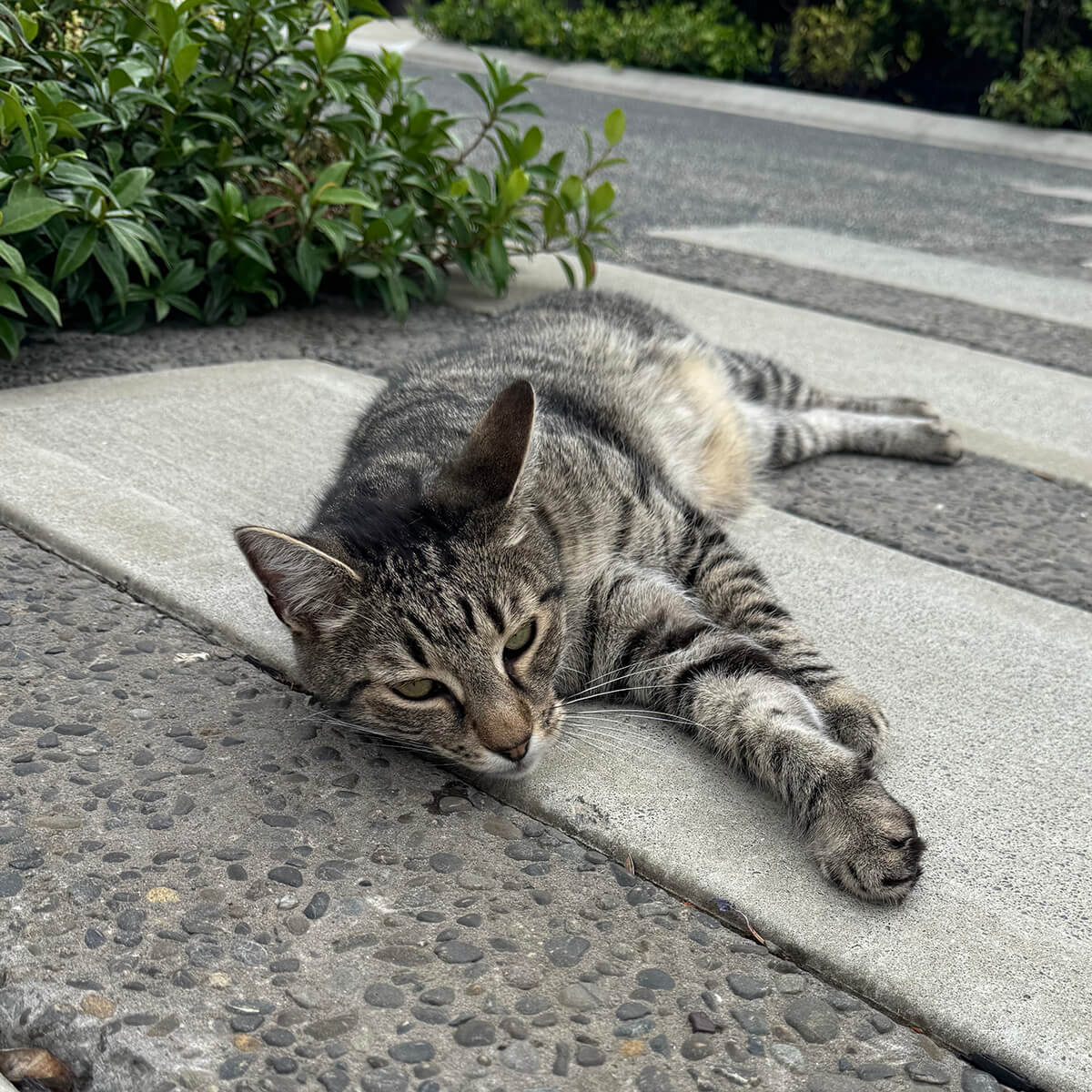
The Botanic Hibiscus Coast positions pets as part of the fabric of village life rather than an afterthought or exception; the philosophy is simple – if pets are part of your family, they are part of The Botanic. Residents already share the village with cats, dogs of many sizes, and feathered friends, and management remains open to discussing other species where the environment and welfare of the animal align.​

Thoughtful landscaping, generous walking paths, and secure private outdoor areas make it easy for residents and their companions to enjoy time outside together while still respecting the comfort of neighbours. The village’s pet approach is guided by Companion Animals New Zealand recommendations and the Retirement Villages Association’s focus on resident wellbeing, which helps ensure that policies reflect both best practice and the lived experience of residents.​

Planning retirement with your pet

For those considering a move in the next few years, planning ahead with your pet in mind can make the transition smoother for you both.​

Steps to consider include:

  • Health and age
    Discuss your pet’s age, health, and likely needs over the next five to ten years with your veterinarian before you move; older animals may benefit from specific routines, medications, or mobility support that you can factor into your village choice.​
  • Behaviour and training
    Retirement community life often involves closer proximity to neighbours, visitors, and other animals; basic training, socialisation, and up-to-date vaccinations help ensure your pet is relaxed and safe around others.​
  • Transition and settling in
    Introduce your pet gradually to the new environment – starting with shorter visits if possible – and bring familiar bedding, toys, or feeding routines to help them feel at home more quickly. Open conversations with village management about your pet’s personality, habits, and any special needs can also build trust and support from day one.​

What sets The Botanic Hibiscus Coast apart?
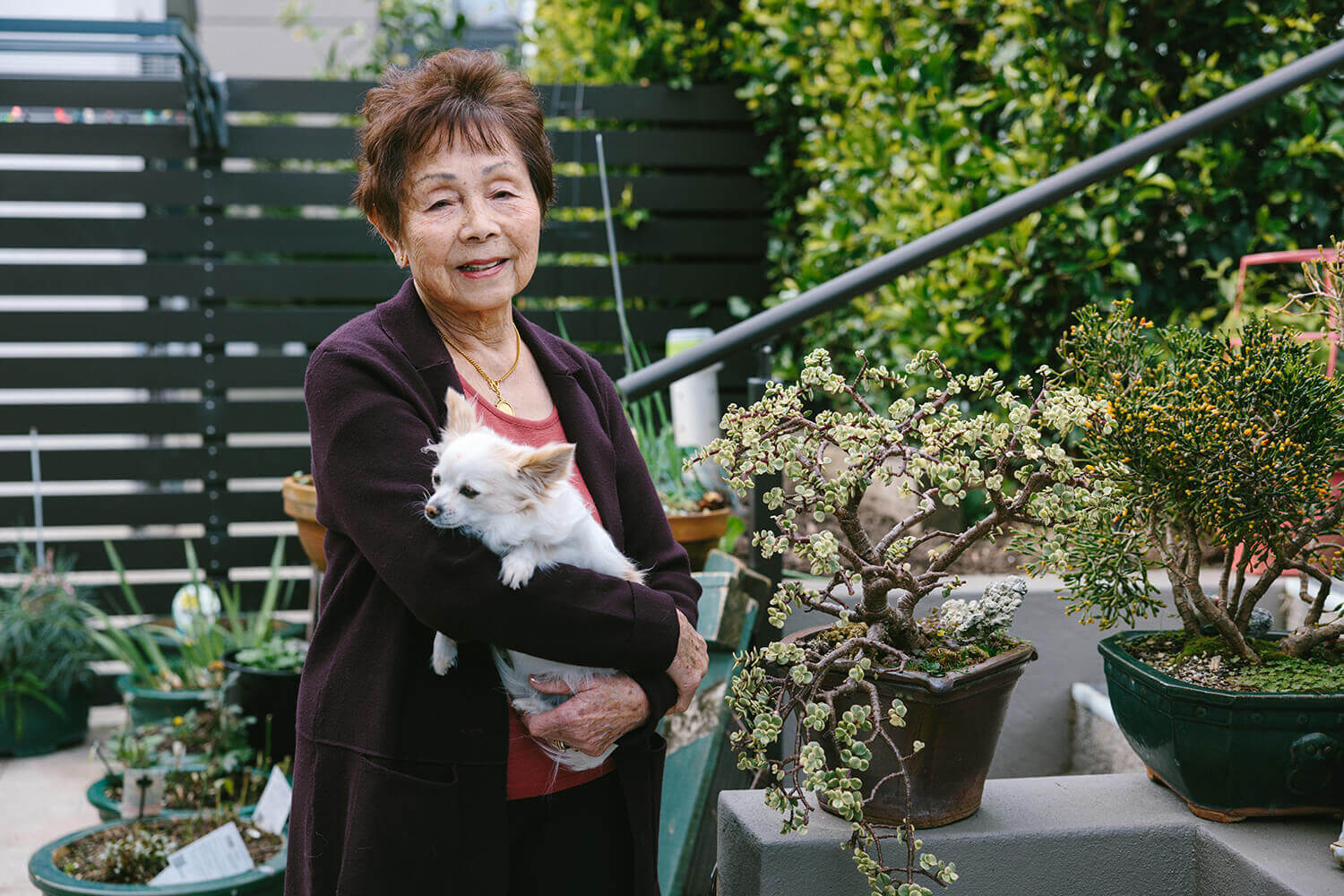
Across the New Zealand retirement landscape, policies around pets can vary widely; some operators limit animals to certain units, others impose strict size or breed rules, and a few offer only short-term or “grandfathered” permission. By contrast, The Botanic’s approach is to start with the assumption that pets belong, then work collaboratively with residents to ensure safety, harmony, and respect for all preferences.​

The village’s philosophy aligns with Companion Animals New Zealand’s position that appropriate companion animals in aged-care settings can significantly enhance mental and social wellbeing, and with the Retirement Villages Association’s emphasis on resident quality of life and autonomy. Combined with emerging research that links pet ownership with better physical health, reduced loneliness, and slower cognitive decline, these signals reinforce the idea that truly pet-inclusive communities are not just lifestyle choices; they are part of evidence-based, future-focused retirement living.​

Frequently Asked Questions – Pet-Friendly Retirement Living

What types of pets are usually allowed in pet-friendly retirement villages?

Most pet-friendly retirement villages in New Zealand focus on companion animals such as dogs, cats, and birds, sometimes with consideration for other small animals on a case by case basis.​

Do I need approval before bringing my pet to a village like The Botanic?

In many New Zealand villages, including those setting high standards for pet-friendly living, residents are asked to seek approval so that managers can understand the pet’s needs, ensure the environment is suitable, and maintain harmony with neighbours.​

Are there size or breed restrictions for dogs?

Some villages impose size or breed guidelines, while others assess dogs individually based on behaviour, welfare, and fit with the built environment; clear written policies will usually explain how these decisions are made.​

Is there support if I need help caring for my pet as I age?

Villages often encourage residents to plan ahead by nominating a backup carer, working with family, and using local pet services; this planning helps ensure pets are well cared for if a resident becomes temporarily or permanently unable to provide full-time care.​

What happens if a resident does not wish to live near animals?

Well-designed pet-friendly communities balance both perspectives through considered placement of homes, open communication during the sales process, and clear expectations for pet owners around noise, cleanliness, and shared spaces.​

How can I tell if a pet-friendly claim is genuine or just marketing?

Ask to see the full pet policy, walk the grounds looking for practical features like secure outdoor areas and walking paths, and speak directly with residents who live with pets; their experiences are often the clearest sign of how deeply a village embraces pet-inclusive living.​

Bringing your pet into your next chapter

Choosing a pet-friendly retirement village is about protecting a bond that has supported you through many of life’s milestones and allowing that bond to continue in a setting designed for your next stage. The Botanic’s commitment to thoughtful policies, welcoming design, and open conversations about pets positions it as a leader in pet-friendly retirement living on the Hibiscus Coast and across Auckland – a place where you and your companion can truly feel at home.​

To explore pet-friendly retirement living further, you can dive into “Setting the Standard for Pet-Friendly Retirement Living in New Zealand” and “Benefits of Pet Ownership in Retirement”, or arrange a visit and bring your pet along to experience the village for yourselves.

Published 21 December 2025

Recent Posts

Retirement Village Fees Explained: What to Budget For

Retirement village fees in New Zealand fall into three main categories. First, the entry payment, which is the upfront cost of your Occupation Right Agreement (ORA) and varies depending on the type and size of home you choose. Second, the weekly fee, an ongoing contribution toward the day-to-day running of the village, including council rates, water rates , insurance, gardens, maintenance of the properties, security, rubbish removal and staffing. Third, the Deferred Management Fee (DMF), which is deducted from your entry payment when you leave. At The Botanic Hibiscus Coast, the weekly Village Fee is currently $185 per week (discounted from $215 while the main amenities building or care home is under development) and is fixed for life. The DMF is capped at 30% of the entry payment. Your personal costs, such as electricity, phone, internet, and contents insurance, sit outside these fees and remain your own responsibility. Introduction: The Three Cost Layers of Retirement Village Living One of the most common questions prospective residents and their families ask when exploring retirement village living is a straightforward one: what will it actually cost? It’s a fair question, and one that deserves a straight answer. Retirement village fees in New Zealand work differently from what most people are used to as homeowners or renters, and the language can feel unfamiliar at first. But once you understand the three main cost layers, the picture becomes much clearer. Those three layers are the entry payment, the weekly fee, and the Deferred Management Fee. Each serves a different purpose, applies at a different stage of your residency, and is governed by the Retirement Villages Act 2003. Together, they cover the cost of your home, the cost of living in the village, and the cost of the operator managing and eventually refurbishing and reselling your home when you leave. This post walks through each layer in plain language, with specific details about how fees are structured at The Botanic Hibiscus Coast. The goal is to give you and your family enough clarity to budget with confidence and ask the right questions before you sign anything. Section 1: Entry Price vs Ongoing Fees The first thing to understand is that the entry payment and the weekly fee are two entirely separate costs that serve two entirely different purposes. They are sometimes confused, but they should be thought of as distinct commitments. The entry payment The entry payment is the lump sum you pay upfront to secure your home and your right to live in the village under an ORA. It is not a purchase price in the freehold sense; you are not buying the property. Instead, you are buying the right to occupy a specific villa or apartment, along with access to all of the village's shared amenities and facilities. Entry prices vary considerably across New Zealand, and are influenced by the type of home (villa, apartment, or care suite), its size, its position within the village, and the quality and range of amenities on offer. Across the Auckland market, entry prices typically range from $350,000 at the lower end to well over $ 2 million for premium units at the most sought-after villages. Michelle is our Sales Manager. At The Botanic Hibiscus Coast, the entry payment reflects the home you choose, whether that is a one, two, or three-bedroom villa or a Rimu or Nikau apartment. The sales team, Michelle and Kathryn, can walk you through current availability and pricing in detail. To place a hold on a home, you will need to complete an application and pay a $5,000 deposit, which is held in a trust account by Anchorage Trustee Services and is fully refundable if you decide not to proceed. The weekly fee Quite separately from the entry payment, you also pay an ongoing weekly fee to contribute toward the day-to-day running of the village. This is not an optional cost; it’s part of the terms of your ORA and continues throughout your residency. The weekly fee and the entry payment are not interchangeable. One secures your home; the other keeps the village running. Both are important to factor into your financial planning, and both are worth examining closely when comparing villages. Research from the Retirement Villages Residents Association found that across 440 New Zealand retirement villages, the average weekly fee is approximately $140.50, with a median slightly lower. At the same time, Village Guide NZ research shows that weekly fees are one of the most closely scrutinised aspects of retirement village living, with 56% of prospective residents and 57% of family members describing this as a key concern when comparing options. Understanding what your weekly fee covers and what it does not is therefore one of the most important questions to ask before signing. Section 2: What Weekly Fees Typically Cover The weekly fee exists to cover the ongoing costs of running the village, its grounds, its facilities, and its team. It is, in effect, your contribution to the shared infrastructure that makes retirement village living different from owning a standalone home. What is typically included across the sector: Across New Zealand retirement villages, the weekly fee generally covers council rates, water rates, building insurance, maintenance of the grounds and gardens, upkeep of communal facilities such as the pool, gym, and lounge spaces, rubbish removal, security, and the salaries of the staff directly employed to run the village's day-to-day operations. What is typically excluded: Personal costs that vary by individual usage are almost always excluded. These include household electricity, phone and internet charges, contents insurance, and vehicle insurance. Some villages also charge separately for certain activities, meals, or additional services, so it is worth clarifying this upfront when comparing options. What The Botanic includes: At The Botanic Hibiscus Coast, the weekly Village Fee covers: Council rates Water rates Building insurance Upkeep of gardens and grounds Maintenance of the dwelling, both internal and external Upkeep of all communal facilities, including the 20-metre indoor heated pool, spa, sauna, steam room, gym, Community Gardens, and bowling green Rubbish removal Security The salaries of all employees directly employed to deliver village operational services Our Silverdale village features beautifully landscaped gardens and tree-lined, meandering pathways, all easily accessed from every apartment and villa. Interior maintenance of your home is handled by The Botanic's team for the duration of your residency, unless there is wilful damage or deterioration beyond fair wear and tear. This means that if something needs fixing in your home, you can call the team rather than arranging and paying for a tradesperson yourself. For many residents, this is one of the most appreciated practical benefits of village living, particularly compared to the ongoing cost and hassle of maintaining a larger family home independently. Costs that sit outside the weekly fee at The Botanic include your personal electricity (though the village is connected to multiple providers, giving you choice), your phone and internet (provided through Bestcomm at competitive rates), and your personal contents insurance. The fixed-for-life fee: why it matters more than it might seem One of the most significant financial features at The Botanic is that the Village Fee is fixed for life. The current weekly rate is $185 (discounted from $215 while the Main Amenities Building or Care Home is under construction, whichever comes first, at which point the standard rate of $215 applies). Once you move in, your weekly fee will never increase, regardless of what happens to inflation, costs, or market conditions during your time at The Botanic. This is more significant than it might initially appear. Research by RNZ found that variable weekly fees have been a source of financial stress for some retirement village residents, with a survey of 1,500 Retirement Villages Residents Association members finding that 18% were worried about increases and their ability to afford future living costs. The Retirement Villages Association estimates that around 85% of the sector charges a weekly fee that is either fixed for life or can only increase in line with the Consumer Price Index. At The Botanic, the fee is fixed outright, which places it firmly in the most resident-friendly category. For a couple planning their retirement finances over 10, 15, or 20 years, knowing exactly what the weekly fee will be on day one and on every day thereafter is a genuinely valuable form of certainty. Section 3: Deferred Management Fees and Exit Costs The Deferred Management Fee, or DMF, is the aspect of retirement village finances that tends to generate the most questions and sometimes the most concern. That is partly because it is deducted at the end of your residency rather than paid upfront, which means it can feel like a surprise if you have not planned for it. Here is how it works. What the DMF is The DMF is the village operator's charge for managing and maintaining the village over the course of your residency. It covers things like the ongoing upkeep of your home, the management of the resale process when you leave, and the refurbishment of your home for the next resident. It is also your contribution towards the capital cost of building the amenities that you will have enjoyed during your time living at the village.  Rather than being charged as an ongoing fee throughout your stay, or an upfront cost it is deducted from your entry payment when you vacate. Across the New Zealand sector, DMFs are typically in the range of 20 to 30% of the entry payment, usually calculated at a percentage per year up to a maximum cap. How The Botanic's DMF works At The Botanic, the DMF is calculated at 10% per year for the first three years of your residency, capped at a maximum of 30% of your entry payment. If you live at The Botanic for less than three years, the DMF accrues on a pro-rata basis. In practical terms, this means: After one year: 10% DMF deducted After two years: 20% DMF deducted After three years or more: 30% DMF deducted (the cap) So if your entry payment was $800,000 and you lived at The Botanic for three or more years, the DMF would be $240,000, and you or your estate would receive $560,000 back. If you lived there for one year, the DMF would be $80,000, and you would receive $720,000 back. You are not required to refurbish your home when you leave, excluding any wilful damage. The Botanic's team manages the refurbishment and resale process. The village is responsible for finding a new resident as quickly as possible and controls the sales and marketing process. The 90-day money-back guarantee The Botanic also offers a 90-day money-back guarantee, which provides an additional layer of reassurance for anyone who moves in and finds the village does not suit them. If a resident's decision to leave within 90 days is based on socialisation and fit within the village, the ORA includes provision for a full refund. The DMF is not charged in this situation. This is a meaningful point of difference. Not all retirement villages offer this level of initial protection, and it reflects the confidence The Botanic has in the quality and warmth of its community. Capital gains policy Under a standard ORA licence to occupy arrangement, the capital gain on the property goes to the operator rather than the resident. This is an important point to understand when thinking about the financial profile of retirement village living. You are not buying an investment property; you are buying a lifestyle and a right of occupancy.  There is no risk of any capital loss ether.  The refund is a fixed amount depending on how long you have lived in the village. At The Botanic, the sales team can explain any specific arrangements around capital gain that may apply to current offers, including the 50% share in future capital gain that was available to buyers who purchased over the Autumn Open Weekend. These arrangements can vary, so it is always worth asking directly. Upcoming regulatory changes It is worth noting that the New Zealand government is currently in the process of reforming the Retirement Villages Act 2003. Among the proposed changes is a 12-month maximum repayment timeframe, ensuring residents and their estates do not wait longer than 12 months for their refund after vacating. The intention is also to stop weekly fees accruing once a resident moves out. A bill is expected to be introduced to Parliament in mid-2026. The Botanic's sales team can keep you updated as these changes progress. At The Botanic weekly fees stop the moment a property is vacated.  We do not charge ongoing weekly fees whilst marketing / selling a property. Section 4: Budgeting Checklist for Families Whether you are doing this planning for yourself or helping a parent or loved one work through the numbers, the following checklist covers the key financial questions to address before making a decision. Entry costs What is the entry payment for the home you are considering, and what does it include? Is a deposit required to secure the property, and is it fully refundable if you choose not to proceed? Will you need to sell an existing property to fund the entry payment, and what is the likely timing and net proceeds? Are there any legal fees associated with reviewing and signing the ORA? (Independent legal advice is a legal requirement under the Retirement Villages Act 2003, so this cost should be budgeted for.) Weekly ongoing costs What is the weekly fee, and is it fixed for life, linked to CPI, or variable? What does the weekly fee include, and what falls outside it? What will you pay for electricity, phone, internet, and contents insurance separately? Are there any optional services or activities that carry additional charges? Do weekly fees continue until a new ORA is signed ? Exit and deferred costs What is the DMF rate and cap, and how is it calculated? What is the process when you leave, and who manages the resale? Approximately how long does resale typically take, and when would you or your estate receive your refund? Is there a money-back guarantee period, and what conditions apply? Capital gains and returns Under what circumstances, if any, do you share in capital gain? Are there any additional exit costs beyond the DMF, such as refurbishment charges? Care pathway and future costs What happens if your care needs change and you require a higher level of support? Is there a care home or memory suite on-site or planned, and what would those costs look like? At The Botanic, a future aged care home and specialist memory care facility are in development, which is important context for long-term financial planning. At The Botanic: a transparent approach to fees The Botanic is committed to making sure every prospective resident and their family has a clear and honest picture of all costs before making any commitment.    If you are doing side-by-side comparisons of retirement villages in Auckland and on the Hibiscus Coast, it pays to look beyond the entry price alone. A fixed-for-life weekly fee, a capped DMF, included interior maintenance, a 90-day money-back guarantee, and an on-site Registered Nurse and a future full continuum of care  are all features that have real financial and practical value over the course of a residency, even if they do not always show up on a simple price comparison. To request a full information pack or to speak directly with the sales team about pricing and fees, call Michelle or Kathryn on 0508 268 264 or visit the contact page at thebotanic.co.nz. Frequently Asked Questions What are the main fees involved in moving into a retirement village in NZ? There are three main cost categories: the entry payment (paid upfront to secure your right of occupancy), the weekly fee (an ongoing contribution toward running the village), and the Deferred Management Fee (deducted from your entry payment when you leave). Personal costs such as electricity, phone, internet, and contents insurance are typically additional. How much is the weekly fee at The Botanic Hibiscus Coast? The weekly Village Fee at The Botanic is $185 per week while the Main Amenities Building or Care Home is under development, after which it reverts to the standard rate of $215 per week. Importantly, this fee is fixed for life from the date you move in, meaning it will never increase for the duration of your residency. What does the weekly fee at The Botanic cover? The Village Fee covers council rates, water rates, building insurance, maintenance of the grounds and gardens, upkeep of all communal facilities (including the pool, gym, spa, sauna, bowling green, and Community Gardens), rubbish removal, security, and the salaries of all village operational staff. It also covers both internal and external maintenance of your home for the duration of your stay. What is a Deferred Management Fee and how is it calculated at The Botanic? The DMF is a fee deducted from your entry payment when you leave the village. At The Botanic, it is calculated at 10% per year for three years, capped at a maximum of 30% of your entry payment. If you live at The Botanic for less than three years, the DMF accrues on a pro-rata basis. You will receive your entry payment, less the DMF, when you vacate. Are there any costs I will still need to pay personally? Yes. Costs that sit outside the weekly fee include your personal electricity, phone and internet charges, and your personal contents, vehicle, and motor insurance. The Botanic's weekly fee covers building insurance but not the contents of your home. Is there a money-back guarantee at The Botanic? Yes. The ORA at The Botanic includes a 90-day money-back guarantee. If a resident decides to leave within 90 days because the village does not suit them in terms of socialisation and community fit, they are entitled to a full refund without the DMF being charged. Do I need a lawyer before signing an ORA? Yes. Independent legal advice is a legal requirement under the Retirement Villages Act 2003, not just a recommendation. What happens to the weekly fee after I leave the village? The weekly fee at The Botanic will stop once you vacate your property and remove all of your personal items.   Can I compare The Botanic's fees to other villages? Absolutely. The Botanic actively encourages prospective residents to do thorough comparisons. When doing so, it is worth looking not just at the entry price and DMF percentage, but also at whether the weekly fee is fixed or variable, what maintenance and services it includes, whether there is a money-back guarantee, and what the care pathway looks like for the future. For a full breakdown of fees and current home pricing at The Botanic Hibiscus Coast, speak with Michelle or Kathryn on 0508 268 264 or download the information pack at thebotanic.co.nz. The Botanic is located at 17 Small Road, Silverdale, Auckland. This post is part of a series designed to help prospective residents and their families make informed decisions about retirement village living. For more on how the ORA works in New Zealand, see our earlier post: How Retirement Village Ownership Works in NZ.
Read more

When Is the Right Time to Move into a Retirement Village?

There is no single "right" age to move into a retirement village in New Zealand, but research consistently shows that people who move while they are still well, active, and choosing to do so have a significantly better experience than those who move under pressure from a health crisis or family circumstance. The most common signals that the timing may be right include spending more time and money on a home than you are enjoying it, feeling isolated or less connected than you used to, concerns about safety and what would happen in an emergency, and a growing desire for a simpler, more social way of living. For many people, the decision is less about reaching a certain age and more about choosing quality of life while you still have the freedom to do so on your own terms. Choosing how and where you live during your retirement years is a significant decision, and one of the most empowering choices you can make. Retirees sometimes look to villages to enhance their quality of life and gain access to health and wellness amenities. Timing is fundamentally important. Most retirees will tell you ‘don’t leave it too late’ because moving at the right time allows you to fully embrace the benefits of retirement village living, and become a much valued and much loved member of our village. The Botanic Hibiscus Coast is Silverdales’s premier retirement village and offers retirees a luxury and supportive community where everyone can thrive in their golden years. Our Sales Manager, Michelle, can answer any questions you might have about life at The Botanic. Signs It Might Be Time to Consider a Retirement Village There is a phrase you hear often from people who have moved into a retirement village. Not straight away, usually; it tends to come out a few weeks or months after the move, when things have settled and the new routine has taken hold. The phrase is this: "I wish I had done it sooner." It is one of the most consistent things residents say, across villages and across life circumstances. And it makes sense, because the decision to move into a retirement village is almost always better when it is made by choice rather than by necessity. A move made while you are well, mobile, and excited about a new chapter tends to go more smoothly, feel more positive, and deliver better outcomes than one made in response to a fall, a health scare, or a crisis that has already reduced your options. Research by Village Guide NZ found that around one in ten New Zealanders aged 65 and over already live in a retirement village, with another 15% considering the move. Of those considering it, 80% expect to make the move within five years. Yet the same research found that the idea often starts forming from age 60, while actual moves tend to happen later, in the early to mid-70s. That gap between thinking about it and doing it is where many people lose years they could have spent enjoying exactly the kind of life a good village offers. This post is not about pressuring anyone into a decision they are not ready for. It is about helping you recognise what the signals actually look like, so that when the time does feel right, you have a clear framework to work from. What our residents say In our series of “Meet the Residents’ posts, we asked many of them for their advice to retirees thinking about moving to a retirement village – the answer was nearly always the same: “Don’t put it off. Do it now!” – Kaye and Tony “Don’t leave it too late! Retire when you can fully enjoy the fruits of your labour.” – Colin and Pip “Do it. You’ll make friends and meet a wonderful gathering of people.” - Helen “Don’t put it off! The benefits of village life will enrich your life each and every day.” – Bets and Bob “Don’t leave it too late. Go while you are still young enough to enjoy all there is on offer.” – Chris and Stuart “Don’t leave it too late. It is a major change and there is some upheaval, so do it while you can. It takes time to transition, but there are many things to engage in and enjoy. Also, support is at hand if a partner becomes ill or incapacitated.” – Grant and Julie “Just do it! Your life will magically become a whole lot easier.” - Julie The resident community at The Botanic is welcoming, supportive, and young at heart. Section 1: Lifestyle and Safety Signals The lifestyle signals that suggest the timing may be right are often gradual and easy to rationalise. A leaking gutter dealt with. A garden that has gotten away on you. A weekend spent not doing anything you particularly enjoyed because you were catching up on the house. Individually, none of these things feel significant. Collectively, they tell a story. The house is taking more than it is giving This is the most common theme in conversations with people who have recently made the move to village life. The family home served its purpose beautifully for decades. Now, though, the rooms that once needed filling are gathering dust, the garden that once brought joy is bringing obligation, and the maintenance list never quite empties. A move made by choice, while you are well enough to handle the packing, the paperwork, and settling into a new community, tends to go more smoothly than one made in response to a health crisis or the loss of a partner. Broader research on retirement transitions backs this up: voluntary, planned moves are associated with better mental health outcomes than ones forced by circumstance. If you are spending more time and money on the house than you are spending enjoying it, that is worth noticing. You are thinking more about safety This one is subtle and often goes unspoken, but it matters. Are you thinking more carefully about where you put your feet on the stairs? Are you conscious of what would happen if you fell when no one was home? Have there been small moments, a dizzy spell, a near-miss in the garden, a cold snap that made getting around difficult, that you have quietly filed away? These are not signs that something is wrong. They are signs that your instincts are paying attention. And they are worth listening to before a more significant event makes the decision for you. At The Botanic Hibiscus Coast, an on-site Registered Nurse is available for appointments and general health queries, and 24-hour emergency call systems are built into every home. For residents who have been managing quietly on their own, the simple knowledge that help is genuinely close at hand changes the texture of daily life in ways that are hard to overstate. Social connection is shrinking Research commissioned by Age Concern Auckland found that 59% of older New Zealanders had recently felt lonely or socially isolated, with almost a third of those respondents experiencing these feelings frequently or all the time. Loneliness in later life is not simply an emotional experience; research from the University of Auckland found that lonely older adults were significantly more likely to report lower life satisfaction and poorer mental health outcomes. The social shrinkage tends to be gradual. Friends move, or pass away. Family is busy. The effort of getting out and about increases as mobility or confidence changes. The days can start to feel longer and quieter than they used to. Village life addresses this directly and immediately. At The Botanic, the social calendar is largely shaped by residents themselves, which means it reflects genuine interests rather than programmed activities. The Clubhouse Cafe is open to the public seven days a week from 8am, the Hub hosts art classes, card games, travel talks, and music groups, and new residents typically find that connection happens faster and more naturally than they expected. You are travelling less and going out less This one might seem minor, but it is often a meaningful indicator. If the activities and outings that used to be part of normal life have quietly dropped away, partly through habit and partly because the effort has started to outweigh the reward, that is worth reflecting on. One of the less-discussed advantages of retirement village living is how it lowers the threshold for spontaneous activity. When the pool is a five-minute walk from your front door, you use it. When the cafe is in the same grounds, you go for coffee with a neighbour. When the bus station is a short stroll away, as it is from The Botanic at Silverdale, getting into Auckland for a concert or a family lunch becomes something you actually do rather than something you mean to do. What our residents say The “lock up and leave” lifestyle is something that is an appealing part of retirement village living. Here is what some of our residents had to say when asked how that lifestyle has changed their lives: “Through Christmas and New year, we went away for five weeks and never once worried about our villa or our gardens.  The two of us travel a lot so the ‘lock up and leave’ lifestyle is a real bonus. It makes retirement stress-free.” – Rosemary and Paul “We still have a bach with lawns, gardens and maintenence to do, but it’s no longer a drag. Lock up and leave couldn’t be better. There is an opportunity to be involved in the village gardens and vegetable patch.” – Colin and Pip “We don’t have to worry about getting someone to look after our property when we go away. We can go away in our motorhome or overseas to escape the winter whenever we like.” – Chris and Stuart Homes at The Botanic empower residents to lead active, independent lives. Apartments and Villas are open-plan, spacious and light-filled. Section 2: Financial and Practical Triggers The financial picture is often what brings the conversation into focus, particularly for adult children who may have been watching the lifestyle signals for a while and wondering how to raise the topic constructively. The property market creates a window New Zealand's property market is variable, and timing a sale well matters. Research by Village Guide NZ found that 29% of people considering a move to a retirement village are delaying until property market conditions improve. This is understandable, but it is worth being careful about letting the market become the only lens through which the timing is assessed. A decision made primarily around a market window, rather than around readiness and quality of life, can result in moving at the wrong moment personally even if it looks right financially. That said, if the property market is currently favourable and the lifestyle signals are also pointing toward the right time, that alignment is worth taking seriously. Maintenance costs are climbing The cost of maintaining an older family home tends to increase over time, and often accelerates in ways that are hard to predict. A roof. A hot water system. A fence. A driveway. These costs are real, they compound, and they come on top of rates, insurance, and utilities that have increased significantly over the past few years. At The Botanic, the weekly Village Fee of $185 per week (currently discounted from $215 while the Mānuka Care Centre is under construction) covers rates, water rates, building insurance, internal and external maintenance of your home, upkeep of all communal facilities, security, and rubbish removal. The fee is fixed for life, meaning it will never increase for the duration of your residency. For many households, the shift from unpredictable and escalating property ownership costs to a single, known weekly outgoing is financially clarifying as much as it is practically relieving. You want to free up capital for living, not maintenance This is a conversation more people are having now than a decade ago. The family home represents significant capital, much of which is currently absorbed in maintenance, insurance, and property costs rather than being used to fund experiences and quality of life. Moving to a retirement village releases that capital, and for many people, the financial shift allows them to travel, support family, or simply live more comfortably than the costs of property ownership were previously permitting. It is worth getting independent financial advice to understand exactly what the numbers look like in your specific situation. The official retirement age in New Zealand is 65, when you become eligible for NZ Super and typically gain access to KiwiSaver. Many people find that modelling their finances with an adviser around this milestone, and including the retirement village option in that modelling, produces a clearer picture than running the two scenarios separately. The administration of daily life is becoming a burden This is something that comes up in conversations at The Botanic regularly. Not the big things, but the accumulation of small administrative tasks that come with owning and maintaining a property. Tradespeople to organise. Home insurance policies to renew. Repairs to manage. Quotes to get. The mental overhead of property ownership is real, and as other priorities in life become more important, the appeal of handing that over is significant. Section 3: Family Conversation Prompts For adult children reading this, the timing conversation with a parent is often one of the more delicate ones to navigate. The risk of getting it wrong, coming across as pressuring someone into a decision they are not ready for, can make the conversation feel high-stakes. University of Otago research found that the challenge of moving into care was lessened significantly when older adults had the opportunity to be part of the decision-making process. The same principle applies here: the goal is to open a conversation, not to drive a conclusion. Here are some ways to start that conversation naturally and productively. "Have you thought about what you would want if things changed?" This framing shifts the conversation away from the present moment and toward future planning, which many people find easier to engage with than a direct "should you be moving?" question. It opens space to talk about preferences, values, and what matters most, without implying that anything needs to happen right now. "What do you actually enjoy about the house these days?" This question invites genuine reflection rather than defensiveness. The answer may be more nuanced than expected. If the things someone genuinely enjoys about their home are specific and meaningful, that is important information. If the answer is mostly habit and history rather than current enjoyment, that is also important information. "Would you be open to just having a look at a few places?" Visiting a retirement village when there is no urgency and no pressure to decide is one of the most effective ways to shift someone's perception of what village life actually looks and feels like. The Botanic's Clubhouse Cafe is open to the public, which means a first visit can be as casual as a coffee and a walk around the grounds, with no sales conversation required unless someone wants one. Many of the families who end up at The Botanic started with exactly this kind of low-key visit. "What would need to be true for this to feel like the right time?" This is perhaps the most useful question of all, because it hands the frame of the conversation back to the person who should be in charge of it. The answer tells you what signals matter to them, which is more useful than a checklist someone else has compiled. Section 4: Self-Assessment Checklist Use this list as a starting point for your own reflection, or as a conversation starter with family. There are no right or wrong answers; the purpose is simply to surface what you already know about where things stand. Lifestyle and safety Are you spending more time on house and garden maintenance than you are enjoying them? Have you had any moments in the past year that made you think about safety at home? Has your social life changed in ways that have left you feeling less connected than you used to? Are there activities or outings you have stopped doing that you used to enjoy? Is there a person in your household whose health or care needs are increasing, and is that changing the balance of daily life? Practical and financial Are you aware of significant maintenance or repair costs coming up for your property? Do you know what your home would realistically sell for in the current market? Have you modelled what your retirement finances would look like if you converted your property to an entry payment and a fixed weekly fee? Are there administrative or practical aspects of property ownership that are taking up more time and energy than they used to? Emotional and social readiness If you imagine yourself living in a village like The Botanic in five years, does that picture feel appealing? What is the main thing holding you back from exploring the option more seriously? If the decision were made for you by circumstances, such as a health event or a significant change at home, how would you feel about not having made it by choice while you could? The most honest question of all If the answer to "what would need to be true for this to feel like the right time?" is a list of conditions that are mostly already met, the timing may be closer than it feels. Overcoming Common Hesitations About Moving It's natural to have reservations about moving home. Let's address some common concerns: “I’m Not Ready Yet” Many people think they need to wait until they need the support of a retirement village. However, moving earlier allows you to embrace the lifestyle benefits while you're still active and independent. It's about choosing how you want to live, not waiting until circumstances dictate or restrict your choices. “I’ll Miss My Home” Of course! You'll have cherished memories in your current home. However, moving to a retirement village doesn't mean leaving those memories behind. At The Botanic, you have the opportunity to personalise your new villa or apartment, creating a space that reflects your unique style and personality. Downsizing can be a liberating experience, allowing you to focus on the possessions that truly matter and create a clutter-free environment. (Check out our recent post on "Downsizing Tips and Advice" for practical guidance.) “It’s Too Big of a Change” Change can be daunting, but it doesn't have to be overwhelming. The Botanic Silverdale has ‘transition support services’ to make the process seamless and stress-free. (check out our post post on "Transition Support Services Offered" to learn more about how we can help.) What Timing Looks Like at The Botanic At The Botanic Hibiscus Coast, most residents say the same thing: they moved at the right time for them, and they are glad they did not wait. Some moved as soon as they hit 65, well before the lifestyle signals became urgent, because they wanted to shape what this chapter of life looked like rather than respond to it. Others moved in their mid or late 70s, prompted by a specific event or change, and still found that the transition was smoother and the community warmer than they had expected. What tends to matter more than age is readiness: financial readiness, emotional readiness, and a genuine curiosity about what life in a connected, purpose-built community actually feels like. The Botanic offers a 90-day money-back guarantee for residents who decide the village is not the right social fit for them. The $5,000 hold deposit required to secure a home is fully refundable if you choose not to proceed. These features exist because The Botanic is confident in what it offers, and because it wants every resident to feel that they arrived by choice rather than by necessity. If you are in the "thinking about it" stage, the best next step is a visit. The Clubhouse Cafe is open to the public from 8am, seven days a week. Come for a coffee, meet a few residents, and see what life here actually looks and feels like before making any decision at all. To arrange a visit or speak with the sales team, call 0508 268 264 or visit the contact page. The Botanic is located at 17 Small Road, Silverdale, Auckland. Why The Botanic is an Ideal Choice When You’re Ready The Botanic offers a unique blend of luxury, community, and care, making it an ideal choice for discerning retirees: Modern villas and apartments designed with accessibility and style in mind, ensuring comfort and convenience. World-class amenities including an indoor swimming pool, wellness centre, spa, bowling green, communal spaces, and award-winning Clubhouse Café fostering social connections and promoting well-being. Future-proof care options with planned aged care and memory care suites, providing peace of mind for the future. Integration with Silverdale’s vibrant community and proximity to beaches, shopping, transport links, and the natural beauty of the Hibiscus Coast. Frequently Asked Questions (FAQs) Is there a minimum age to move into a retirement village in New Zealand? Entry ages vary between villages. Some villages allow residents to enter from age 55, while others set a minimum entry age of between 65 and 75. Some villages may also allow a younger person to move in if their partner meets the age requirements.  At The Botanic, the minimum entry age is 65. Being fully retired is not a requirement; a number of residents across New Zealand's retirement village sector continue to work full or part time after moving in. What are the most common reasons people decide to move? Research by Village Guide NZ found that the biggest trigger for prospective residents considering a retirement village move is thinking about future care needs (61%). Other key drivers include a growing need for easier living (47%) and the desire to downsize (40%). For family members, future care needs (46%) and the need for easier living (42%) are the main triggers. Is it better to move earlier or later? Most evidence, and most resident feedback, points to earlier being better, provided you are financially and emotionally ready. Moving while you are active and well means you can make the most of the amenities and social life from day one, rather than arriving at a point when your capacity to settle in and build connections may be more limited. What if I am not sure I am ready? Not being sure is a completely normal place to be. The most useful thing you can do when you are in that position is to visit a village without any pressure to decide. At The Botanic, the Clubhouse Cafe is open to the public seven days a week, and the sales team is happy to show you around with no obligation whatsoever. Many people find that a visit changes their sense of what retirement village life actually feels like, in ways that online research cannot replicate. How do I know if I can afford to move into a retirement village? This is a question best answered with the help of an independent financial adviser who can model your specific situation, including the proceeds from a property sale and the structure of an entry payment and weekly fee. At The Botanic, the weekly Village Fee is $185 per week (fixed for life) and the entry payment varies depending on the home you choose. The sales team can provide full pricing information, and independent financial advice is actively encouraged before any commitment is made. What if my partner and I are at different stages of readiness? This is common, and it is worth giving the conversation space. Visiting together, without any expectation of making a decision, often helps to align perspectives in ways that a discussion at home cannot. It also helps to think about the decision not just in terms of where you are right now, but where you would like to be in five or ten years, and whether choosing now while you have full control of the decision is preferable to waiting until circumstances narrow your options. How do I have this conversation with my parent if they seem resistant? Approach it as a planning conversation rather than a decision conversation. Ask what they enjoy about their current home, what they would want if their circumstances changed, and whether they would be open to just visiting a few places to get a sense of what is out there. Framing a visit as information gathering rather than decision making tends to lower defensiveness and open the conversation more productively. Research from the University of Otago found that the challenge of moving into care was lessened significantly when older adults had the opportunity to be part of the decision-making process. The same principle applies earlier in the journey: the more agency someone feels in the process, the better the outcome tends to be. The Clubhouse Cafe is just one of the world-class amenities at The Botanic Silverdale. This post is part of a series designed to help prospective residents and their families make informed decisions about retirement village living. You may also find these related posts in the series helpful: How Retirement Village Ownership Works in NZ Questions to Ask on a Retirement Village Tour For more information about life at The Botanic Hibiscus Coast, visit thebotanic.co.nz or call the sales team on 0508 268 264. The Botanic is located at 17 Small Road, Silverdale, Auckland. Post first published April 2025 and last updated July 2026.
Read more

How Retirement Village Ownership Works in NZ

When you move into a New Zealand retirement village, you do not buy the property outright. Instead, you purchase an Occupation Right Agreement (ORA), sometimes called a license to occupy, which gives you the legal right to live in your home for as long as you choose. This is governed by the Retirement Villages Act 2003 and comes with meaningful protections, but it works very differently from freehold ownership. You pay an entry payment upfront, contribute to weekly fees while you live there, and receive a refund when you leave, minus a Deferred Management Fee (DMF). Understanding how this works before you sign anything is one of the most important steps you can take. Introduction: What Is an ORA and How Is It Different from Freehold? If you have spent most of your life owning your home outright, the idea of moving into a retirement village and not holding a title to your property can feel a little unfamiliar. That is completely understandable, and it’s exactly why it pays to understand how retirement village ownership works in New Zealand before you get too far into the process. The short version is this: rather than purchasing a property in the traditional sense, you enter into what is known as an Occupation Right Agreement, or ORA. This is a legal contract between you and the retirement village operator that gives you the right to occupy your chosen villa or apartment for as long as you wish to live there. In New Zealand, around 95 per cent of retirement village units are sold under a licence to occupy agreement, making the ORA by far the most common arrangement in the sector. Just over 50,791 people currently live in retirement villages across the country, and that number is growing rapidly as New Zealand's population ages. At The Botanic Hibiscus Coast, as with all registered retirement villages in New Zealand, the ORA is the foundation of your residency. It’s designed to be transparent, fair, and clearly understood before you commit. The sales team at The Botanic can walk you through every aspect of the agreement, and you will also receive independent legal advice before signing anything, as required by law. Section 1: Key Terms Explained in Plain English Retirement village documents can sometimes feel like they were written for lawyers rather than people. Here’s a straightforward guide to the terms you are most likely to encounter. Occupation Right Agreement (ORA) - The legal contract that gives you the right to live in your retirement village home. An ORA sets out the terms on which you can live in the village, along with the rights and obligations of both you and the village operator. At The Botanic, your ORA covers everything from how your home is maintained to what happens when you decide to leave. Occupation Licence - Another name for the right granted by an ORA. It’s not a title to the property; it’s a licence to occupy a specific unit within the village. The terms are often used interchangeably. Entry Payment - The lump sum you pay to secure your home in the village. At The Botanic, this reflects the type of home you choose, whether that is a villa or apartment, and covers your right to occupy the property and enjoy all of the village's amenities. Weekly Fee - An ongoing contribution toward the upkeep of shared facilities, maintenance, staff, insurance, and communal amenities. At The Botanic, this fee is currently fixed for life, so there are no surprises when it comes to budgeting. Deferred Management Fee (DMF) - A fee that the village operator deducts from your entry payment when you leave. It’s sometimes described as a management fee that is "deferred" until the end of your residency rather than charged upfront. At The Botanic, the DMF is calculated at 10% per year for three years, meaning it will not exceed 30% of your entry payment. This structure is typical of the sector, where the entry payment is refunded when you surrender the ORA after the village operator deducts a Deferred Management Fee. Disclosure Statement - A document the village operator is required by law to provide before you sign your ORA. It sets out the village's financial information, key terms, and other details to help you make an informed decision. Code of Residents' Rights - A set of legally guaranteed protections for all retirement village residents in New Zealand, extracted from the Retirement Villages Act 2003. The Code of Residents' Rights guarantees fair treatment and access to dispute resolution, including the 15-working-day cooling-off period. Cooling-Off Period - Residents under every ORA have the benefit of a 15-working-day cooling-off period. Residents can terminate the ORA within 15 working days of signing it without having to give any reason, and any deposit will be refunded. Retirement Villages Act 2003 - The primary piece of legislation governing retirement villages in New Zealand. Its purpose is to protect the interests of residents and intending residents of retirement villages, and to enable the development of retirement villages under a legal framework that is readily understandable by residents, intending residents, and operators. Section 2: What You Buy and What You Do Not Buy This is the section that tends to generate the most questions, and rightly so. It’s important to be clear on what you are and are not getting when you enter into an ORA. What you do get: A secure, legally protected right to occupy your chosen home in the village for as long as you wish to live there Access to all of the village's shared amenities and facilities; at The Botanic, that includes the 20-metre indoor heated pool, spa, sauna, steam room, fully equipped gym, Community Gardens, bowling green, and the award-winning Clubhouse Cafe The peace of mind that comes from living in a purpose-built, well-maintained environment with professional management on site Legal protections under the Retirement Villages Act 2003, including the Code of Residents' Rights and the 15-working-day cooling-off period The ability to end your residency at any time by giving 30 days' notice The poolhouse includes a 20m heated swimming pool, sauna, spa, and gym. What you do not get: Freehold title to your property. Retirement village living differs from home ownership in several key areas. One of the key distinguishing features is that you do not "own" outright the apartment, villa or suite as with a freehold title to a home. The ability to sell or transfer the property independently Automatic participation in any capital gain on the property (though at The Botanic, specific arrangements around capital gain may apply; the sales team can explain any current offers in detail) The responsibilities that come with freehold ownership, such as managing maintenance, rates, and insurance yourself For many people, particularly those who have spent years maintaining a larger family home, this trade-off is actually one of the appealing things about retirement village living. The day-to-day responsibilities of property ownership are handed over, freeing up time and energy to enjoy life. It’s not the right arrangement for everyone, though, which is why it is so important to understand it fully before committing. It’s also worth knowing that an intending resident must receive independent legal advice before signing the occupation right agreement. This is not optional. At The Botanic, the sales team actively encourages prospective residents and their families to seek both legal and financial advice as part of the process. Section 3: Fees, Exits, and Resale Basics Understanding the financial mechanics of a retirement village is essential, particularly for adult children who may be helping a parent through the decision-making process. The entry payment and your refund When you move into The Botanic, you pay an entry payment that reflects the home you have chosen. This money is held securely. When you leave, whether that is because you are moving to aged care, moving to be closer to family, or for any other reason, the entry payment is refunded to you or your estate, less the DMF. At The Botanic, the DMF is a maximum of 30% (10% per year for three years), meaning at least 70% of your original entry payment comes back to you. Weekly fees Your weekly fee covers the running costs of the village, including maintenance, staffing, facilities, and insurance. At The Botanic, this fee is fixed for life, which is an important distinction. Knowing exactly what you will pay each week, regardless of what happens to inflation or market conditions, makes financial planning much more straightforward. Leaving the village You can leave at any time by giving 30 days' notice. The village operator is then responsible for finding a new resident for your home. At The Botanic, if we haven’t sold your home after six months, we have a penalty clause specific to The Botanic and we will pay interest on the amount owning. Capital gain In a standard ORA arrangement, the capital gain on your property goes to the operator, not to you. At The Botanic, this is something the sales team can discuss in the context of any current or limited time offers. Upcoming changes to the Act The Retirement Villages Act 2003 is currently being reviewed by the New Zealand Government. Section 4: Questions to Ask Before Signing Whether you are visiting The Botanic for the first time or have already toured the village and fallen in love with it, there are some important questions worth asking before you put pen to paper on an ORA. Your lawyer will have their own list, but these are a good starting point. About the ORA itself: What is the total entry payment, and what does it include? What is the weekly fee, and is it fixed or subject to increases? What is the exact DMF structure, and how is it calculated? What happens to any capital gain if my home is resold at a higher price? What are the conditions under which the operator can change the terms of my residency? About leaving and resale: What is the process if I need to move into higher-level care? How long does resale typically take, and when would I or my estate receive a refund? Are there any costs involved in the exit process beyond the DMF? About the village itself: What amenities are currently available, and which are planned for the future? What does the weekly fee cover, and what would I need to pay for separately? What is the process for resolving a complaint or dispute? Is there a Residents' Committee, and how does it work? About financial and legal protection: Can you provide the village's latest disclosure statement? Is the village registered with the Companies Office? (All retirement villages in New Zealand must be registered; you can verify this at the Companies Office website.) Will I be required to have independent legal advice before signing? At The Botanic, every prospective resident is encouraged to take the time they need, ask every question they have, and involve their family and professional advisors in the process. The sales team, Michelle and Kathryn, are experienced, patient, and happy to go through the details as many times as it takes to feel confident. Why The Botanic Approaches This Differently Most of this article applies to retirement villages across New Zealand. What sets The Botanic Hibiscus Coast apart is not just the quality of its homes and amenities; it’s the transparency and care with which the team approaches the process of helping people understand what they are signing up for. The Botanic is one of Auckland's leading luxury retirement villages, with more than 200 residents already calling it home. The village is purpose-built on the beautiful Hibiscus Coast in Silverdale, less than five minutes from the Hibiscus Coast Bus Station and the Northern Motorway, making it well connected to everything the wider Auckland region has to offer. Homes at The Botanic include single-level 1, 2 and 3-bedroom villas with internally accessed garages and spacious, light-filled Rimu apartments, all set within beautifully landscaped gardens. Amenities include the Clubhouse Cafe, a 20-metre indoor heated pool, spa, sauna, steam room, fully equipped gym, Community Gardens, and a three-rink bowling green. A future care centre with hospital-level care and memory care is also planned, so residents can have confidence that a full continuum of care will be available within the same familiar community if their needs change over time. Understanding the financial structure of your ORA is the foundation of a confident, well-informed decision. The team at The Botanic is committed to making sure that every prospective resident and their family has everything they need to reach that confidence before they sign. To arrange a visit, speak with Michelle or Kathryn on 0508 268 264, or complete the contact form on The Botanic website. Frequently Asked Questions What is an Occupation Right Agreement (ORA) in simple terms? An ORA is a legal contract that gives you the right to live in a retirement village home for as long as you choose. You do not own the property in the freehold sense, but you have a secure, legally protected right of occupancy. The agreement sets out what you pay, what you receive in return, and what happens when you decide to leave. How is an ORA different from buying a house? When you buy a house, you receive a freehold title and you own the property outright. With an ORA, you are purchasing the right to occupy the property, not the property itself. This means you are not responsible for the same maintenance and insurance obligations as a homeowner, but it also means you do not hold the property as an asset in the traditional sense and typically do not benefit from capital gain. What is a Deferred Management Fee and why does it exist? The DMF is the village operator's charge for managing and maintaining the village over the course of your residency. Rather than being charged upfront, it is deducted from your entry payment when you leave. At The Botanic, the DMF is 10% per year for three years, capped at 30% of the entry payment. Is my entry payment safe? Yes. The Retirement Villages Act 2003 includes provisions to protect residents' entry payments. All retirement villages must be registered, and they are subject to ongoing oversight. Independent legal advice is required before signing an ORA, and the cooling-off period provides an additional layer of protection. What protections do I have as a retirement village resident? Residents are protected by the Retirement Villages Act 2003, the Code of Residents' Rights, and the village's Code of Practice. These cover your right to fair treatment, consultation on changes to services and fees, access to dispute resolution, and the 15-working-day cooling-off period after signing your ORA. Can I leave the village whenever I want? Yes. You can end your residency at any time by giving 30 days' notice. The village is then responsible for finding a new resident and processing your refund, less the applicable DMF. Do I need a lawyer to sign an ORA? Yes. The Retirement Villages Act 2003 requires that all intending residents receive independent legal advice before signing an ORA. This is a legal requirement, not just a recommendation, and is an important protection for you. What happens to my home if I need to move into aged care? If you need to move into a higher level of care, your ORA can be surrendered and the refund process begins. At The Botanic, the planned on-site aged care home means residents may be able to transition within the same community, which provides significant reassurance for residents and their families alike. Where can I find out more about the Retirement Villages Act 2003? The Ministry of Housing and Urban Development is the best place to start for official information on the Act, resident rights, and the current review process. Your lawyer will also be able to guide you through the specific details of your ORA. For more information about life at The Botanic Hibiscus Coast, visit thebotanic.co.nz or call the sales team on 0508 268 264. The Botanic is located at 17 Small Road, Silverdale, Auckland.
Read more