Blog

Setting the Standard for Pet-Friendly Retirement Living in New Zealand

For many Kiwi retirees, it’s the small, familiar moments that make a house feel like home, the morning walk, the soft purr at your feet, or the happy greeting at the door. At The Botanic, we know how much comfort and companionship pets bring, and how those simple routines can make every day feel richer and more meaningful.

As demand for pet-friendly retirement options grows throughout New Zealand, we explore the many benefits pets bring to a lifestyle village setting and what to look out for in a pet-friendly community.

Why Pets Matter So Much in Retirement
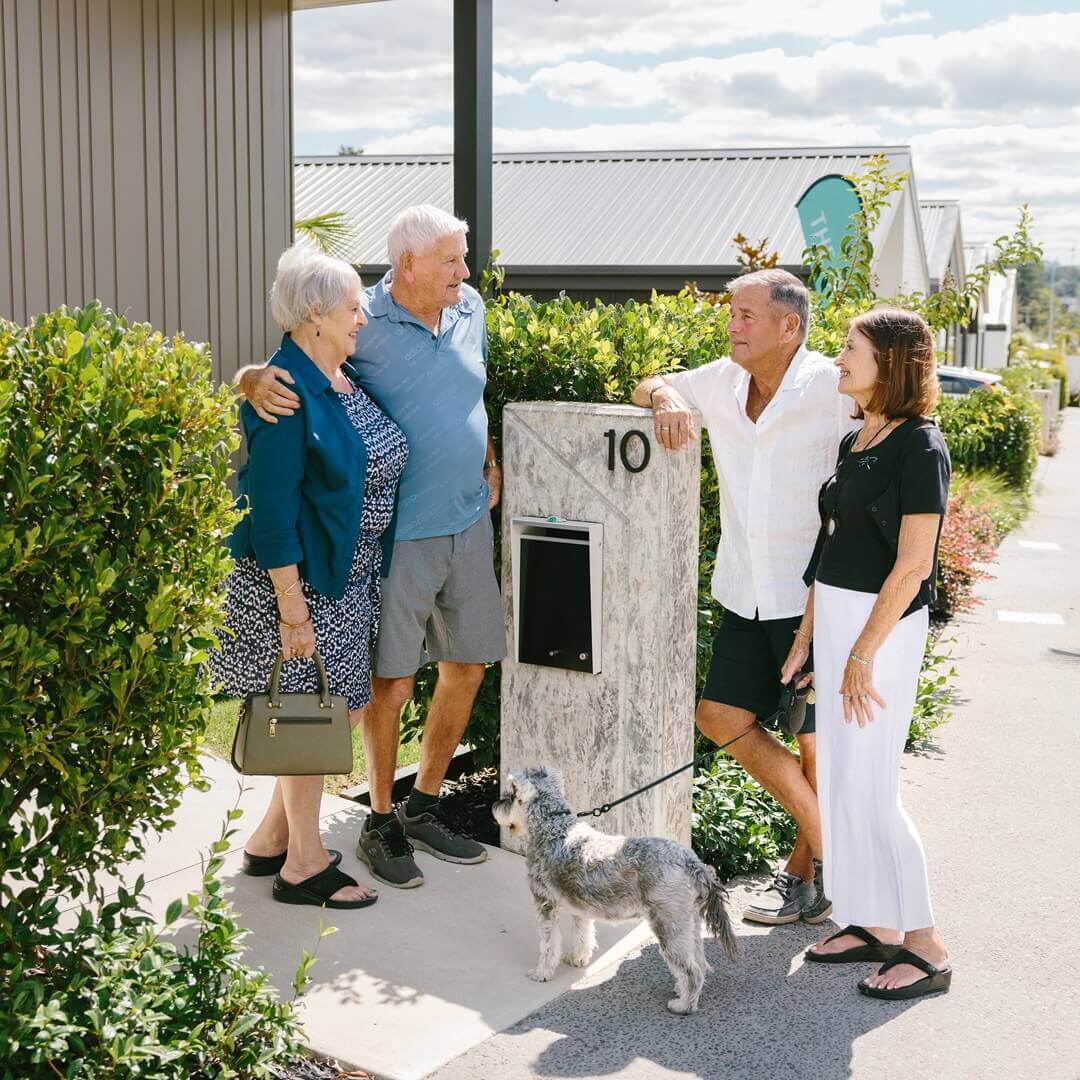
Pets are an important part of the community at The Botanic Luxury Retirement Village

Retirement is no longer just about slowing down, it’s about embracing a lifestyle that’s active, fulfilling and deeply connected. For many older New Zealanders, pets are central to this new chapter, offering more than just companionship; they provide a sense of purpose, comfort and routine.

Studies show that pet ownership among older adults can reduce feelings of loneliness and depression. A study by the American Humane Association found that over half of adults over 50 have at least one pet, and that strong attachment to a pet was associated with less depression among older adults.

In New Zealand, 63% of households have at least one pet, reflecting the deep bond between Kiwis and their animals. However, pet ownership among our over 65 demographic is lower, highlighting the importance for retirement communities to support and encourage pet companionship.

How Pets are Proven to Enhance our Wellbeing

At The Botanic, we recognise that pets are family. They offer emotional support, encourage physical activity and help maintain a sense of routine. Whether it’s a daily dog walk around the village or the soothing presence of a cat, pets enrich our lives – not just for pet owners, but also for neighbours and residents who just want the occasional pat or maybe even the opportunity to pet-sit. Pets encourage connection, bring unexpected joy and are proven to enhance our well-being.

Companionship and emotional wellbeing are among the most significant benefits. For many retirees, pets provide a daily source of comfort and unconditional love, reducing feelings of loneliness, especially for those living alone or who have lost a partner. Caring for an animal also creates structure and purpose, with routines around feeding, grooming, and walks giving retirees a sense of responsibility and daily rhythm that supports emotional stability.
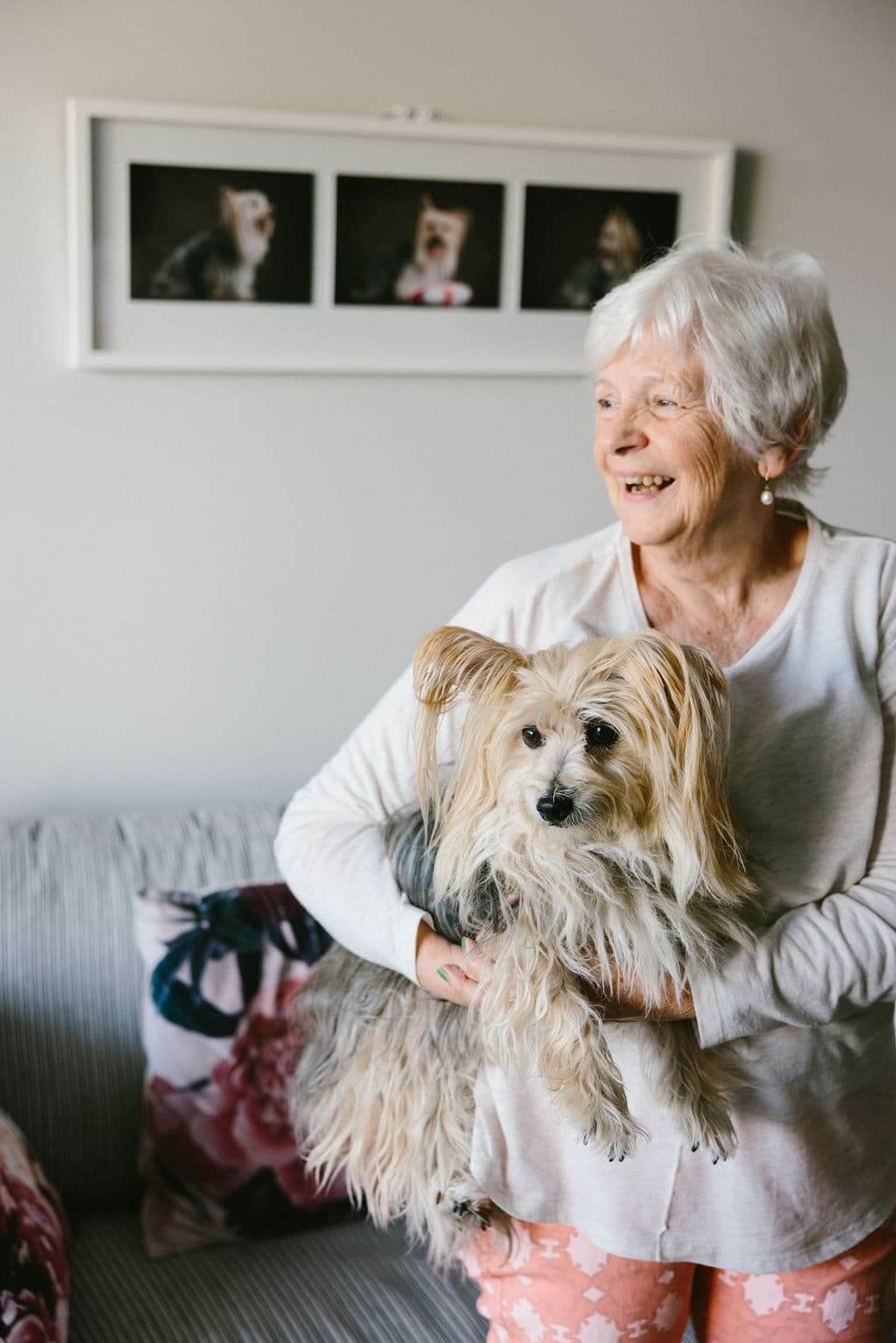
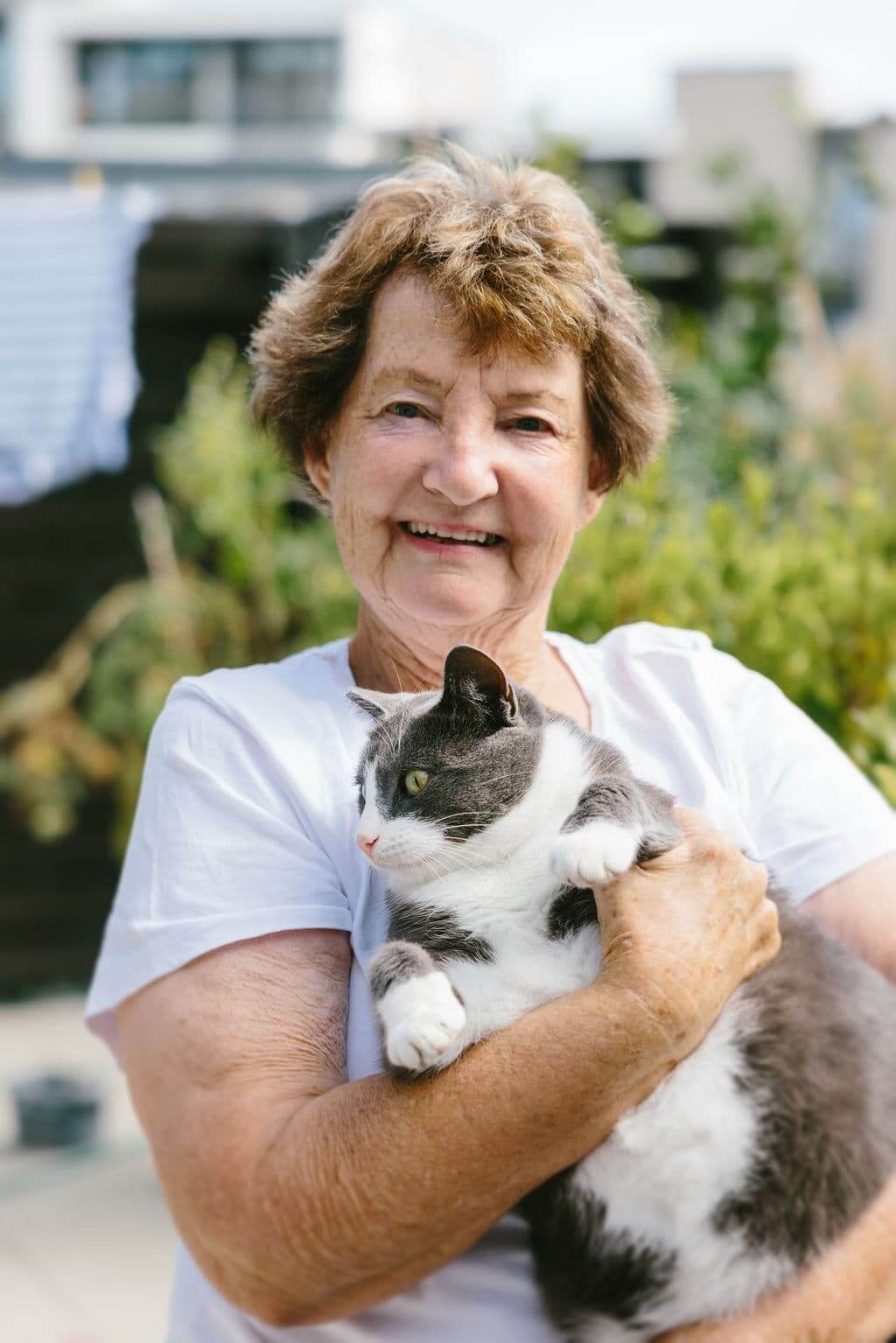
Physical health benefits are also notable. Dog owners, for example, naturally increase their activity levels through daily walks, which improve cardiovascular fitness, balance, and mobility. Even smaller pets, like cats or birds, encourage movement and engagement through play and care, helping residents maintain strength and flexibility while staying active in a safe and enjoyable way.

The mental health advantages of pet ownership are equally compelling. Studies show that interacting with animals can reduce stress, lower blood pressure, and decrease symptoms of anxiety and depression. The simple act of petting a cat or dog triggers the release of calming hormones, providing a natural boost to mood and resilience.

Finally, pets are powerful social facilitators. Walking a dog in the village or chatting about a pet’s habits naturally sparks conversations, helping residents forge new friendships and strengthen connections with neighbours. In community settings like The Botanic, pets not only enrich individual lives but foster a lively, connected, and supportive environment for all residents.

In short, pets are more than companions; they are catalysts for healthier, happier, and more socially connected retirement living.

The Rise of Pet-Friendly Retirement Villages in New Zealand

Retirement living in New Zealand is evolving. Today’s retirees seek communities that support independence, connection, and purpose, and pets are increasingly central to that lifestyle. In response, many retirement villages have adapted their policies to meet growing demand, moving away from the restrictive “no pets allowed” approach of the past to embrace truly pet-inclusive communities.


Being “pet-friendly” goes beyond simply allowing a dog or a cat. It involves clear policies, such as pet registration, vaccination or microchipping requirements, as well as practical facilities like designated dog walking routes with plenty of opportunities to stop, sniff, or grab a seat in the shade. Or large enclosed patios, gardens, courtyards and balconies that can accommodate a pet and keep them safe from passing traffic. Measures such as these that have been well thought through ensure that both pet owners and non-pet owners can enjoy a harmonious community environment.

Attitudes have shifted as operators recognise that pets contribute to residents’ wellbeing, providing companionship, purpose, and opportunities for social connection. Modern villages, supported by organisations such as SPCA NZ, now see pet inclusion as a way to enhance quality of life, rather than a complication to manage. Today, a pet-friendly retirement village is about designing a lifestyle that supports residents and their beloved animals, making later life richer, happier, and more connected.

What to Look for in a Pet-Friendly Lifestyle or Retirement Village

Choosing a retirement community that welcomes pets requires more than simply finding one that says “pets allowed.” A genuinely pet-friendly environment balances the needs of residents, their pet companions, and the wider community. Here’s a practical checklist to guide your search:

1. Clear pet policy

Start by reviewing the village’s rules regarding pets. Look for clarity on the types of animals allowed, size or breed restrictions, and the maximum number of pets per household. A transparent policy ensures you and your pet can enjoy life together without surprises or restrictions down the track.

2. Outdoor spaces and walking areas

Pets need exercise and stimulation. Check whether the village offers secure, accessible outdoor areas, walking paths, or nearby parks. Well-maintained green spaces not only keep pets healthy but also provide residents with a safe and enjoyable way to stay active themselves.
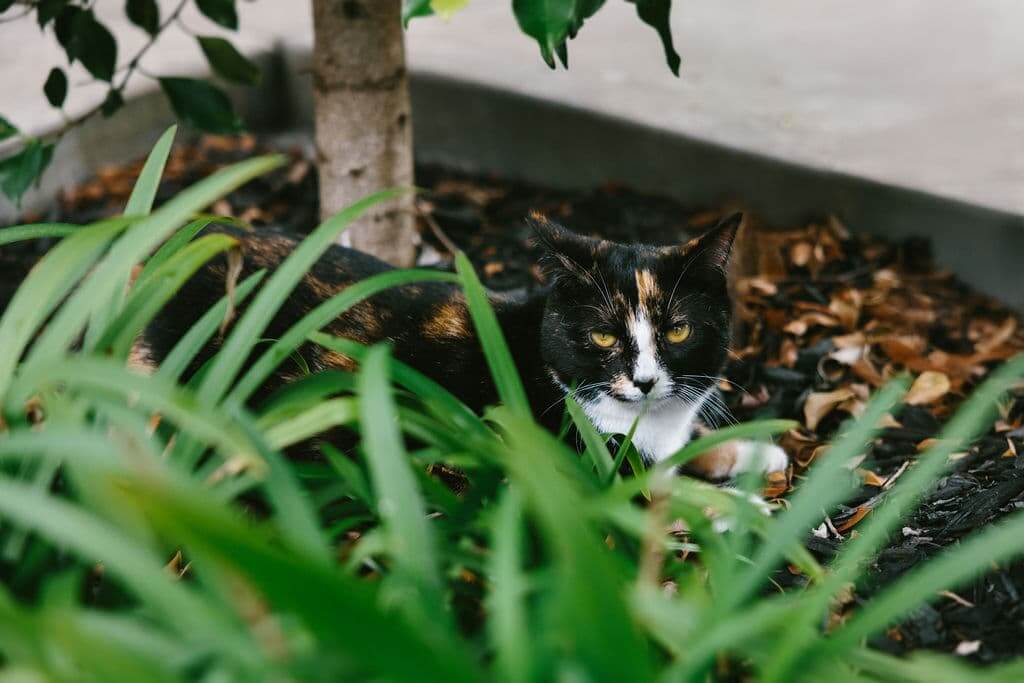
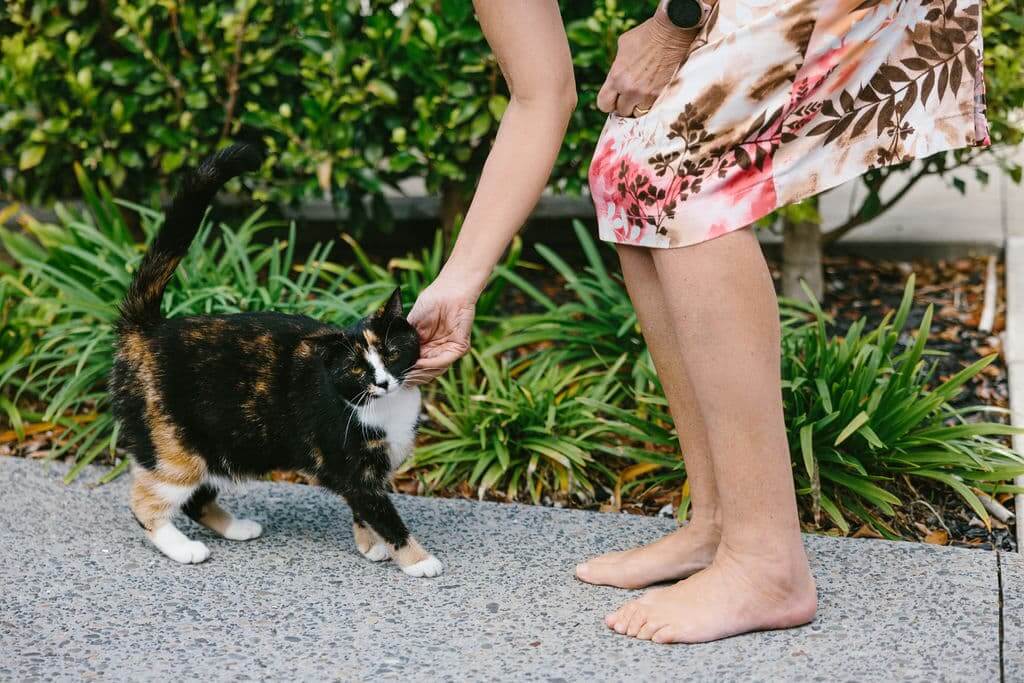
Lilly the cat enjoying the green surrounds at The Botanic

3. Pet-friendly facilities

Extra conveniences can make a huge difference. Look for villages that offer pet-friendly communal spaces, connections with local veterinarians, or nearby pet services. Even simple things like a pet-friendly Café, interior road speed restrictions and shaded rest areas and watering stations show that the community considers pets’ wellbeing as part of daily life.

4. Supportive community culture

A welcoming attitude matters as much as facilities. Speak to staff and residents to see how pets are treated in communal spaces. Communities that embrace animals tend to foster friendlier interactions, social opportunities, and a sense of belonging for both pets and their owners.

5. Safety considerations

Ensure the environment is safe for pets and people alike. Secure fencing, safe walking routes away from busy roads, and emergency procedures for natural disasters or health events help protect your pet and give you peace of mind.

By considering these factors, you can confidently choose a retirement village where both you and your pet thrive, enjoying companionship, activity, and community in equal measure.

How The Botanic Embraces Pet-Friendly Retirement Living

As a leader in luxury pet-inclusive retirement living in Auckland, The Botanic has created a community where residents and their animal companions are welcomed, valued, and supported.

Our philosophy is simple: pets are family. Whether it’s a loyal dog, a gentle cat, or a beloved feathered friend, we recognise the vital role animals play in emotional wellbeing, daily routine, and social connection. Life at The Botanic is designed to allow residents to maintain that bond effortlessly, enjoying the companionship, comfort, and joy that pets bring.
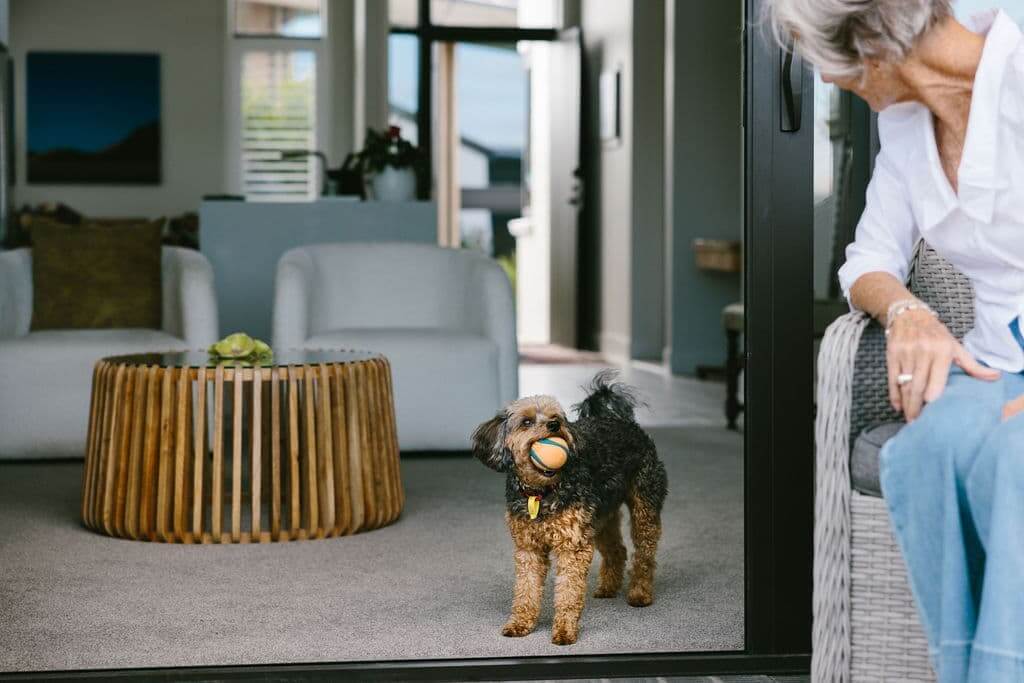
Robin and Button the dog with a ball in mouth

The village offers thoughtfully designed spaces and supportive policies that make pet ownership both practical and rewarding. Residents can enjoy landscaped walking areas, communal green spaces, and facilities designed with pets in mind, all within a safe and secure environment. Staff and the wider community are committed to a culture that respects and celebrates pets as part of village life.

By embracing a pet-inclusive approach, The Botanic sets a benchmark for retirement living in Auckland, proving that luxury, lifestyle, and the joy of companion animals can coexist harmoniously.

Planning a Retirement Move with Your Pet

Moving into a retirement community is a big change, not just for you, but for your pet. Planning ahead ensures a smooth transition and will help you both feel safe and comfortable in your new home together.

Health first: Schedule vet visits before moving to ensure vaccinations are up to date, your pet is in good health, and any ongoing care or medications are organised. Discuss your pet’s needs with your veterinarian and ensure regular treatments and checks are scheduled in for the months ahead.

Consider your pet’s age and needs: Some pets may adapt easily to new environments, while older animals or those with special requirements may need extra attention. Cats, for example, usually require at least two weeks indoors before identifying the space, smell and feel of your new property as ‘home’.

At The Botanic, some residents have found a locally reputed cat hotel to be an ideal way to ease their feline’s distress during the packing up, moving and settling in period. Once the boxes are all unpacked, they then introduce their cat to their new home, with all the familiar smells and furniture in situ to make it feel like home from the get-go.

Prepare for the transition: Introduce your pet gradually to new spaces, maintain familiar toys or bedding, and keep consistent routines where possible. Small steps help pets adjust happily, making retirement life rewarding for both of you.

Frequently Asked Questions (FAQs)

What types of pets are allowed?

We currently have cats, dogs (of all breeds, shapes and sizes) and a couple of feathered friends too amongst our resident pets! We are open to discussing other types of pets, but may need to assess the suitability of our Village environment to the needs of your animal while maintaining safety, hygiene and harmony for the wider Botanic community.

Do I need approval before bringing my pet?

In short, yes you do. We proactively encourage all prospective residents to be open with us about their intentions to own or existing ownership of a pet or pets. Some of our Residents have a regular pet-sitting arrangement with friends and family, which is also useful for us to know about. We pride ourselves on open communication, honesty and transparency with all prospective and existing residents and pet owners at The Botanic.

Are there pet size/breed restrictions?

The Botanic’s pet-friendly philosophy aligns with the guidelines set forth by the Companion Animals New Zealand (CANZ) and the Retirement Villages Association (RVA). CANZ supports aged care facilities that allow appropriate companion animals, acknowledging the mental and social benefits they provide to older adults. Similarly, the RVA’s Code of Practice encourages retirement villages to consider the well-being of residents, including the positive impact of pets on their quality of life.
Is there support for residents who need help caring for pets?

Our experienced, and pet-friendly staff understand basic pet needs and can help coordinate vet transport, recommend pet carers, or suggest local services.

What happens if my pet’s needs change?

The Botanic seeks to match living arrangements to both our residents and their pets needs. As your pet’s (or your own) needs change, we are adept at working together with you to find a solution to any challenges that may arise or safeguarding your environment to prevent problems before they happen.

What if a resident does not wish to live near animals?

That’s ok too! The Botanic fosters an environment of transparency, encouraging prospective residents to engage in candid conversations about pet ownership. Our Village Management and Resident Transitions team is committed to ensuring that both residents and their pets thrive in a harmonious setting – taking into account personal preferences, allergies and attitudes towards pets from existing and prospective residents and surrounding neighbours. From the outset of the Sales process, our aim is to proactively ensure every resident can live harmoniously at The Botanic, with limited disruptions, and make it easy and straightforward for residents to live the life they independently choose to live.

Final Thoughts

Pets matter. For many older adults in New Zealand, pets are central to wellbeing, routine and social connection. When retirement communities design pet-friendly policies thoughtfully, they unlock benefits that ripple through the wider resident population: happier residents, more neighbourly interactions, and a livelier village culture.

By prioritising clear policy, practical supports and a culture of respect, The Botanic is proud to lead the way in pet-friendly retirement living, helping residents keep the companionship they love, while enjoying the low-stress, security and joys of village life.

Interested in visiting or learning more about how The Botanic supports resident pet ownership? Contact our team for a friendly chat to discuss how we make retirement living work for you and your pet. Better yet, bring them along with you for a look around the village and our array of pet-friendly properties.

Published 3 November 2025

Recent Posts

Lifelong Learning Opportunities at The Botanic Luxury Retirement Village

Lifelong learning at The Botanic means much more than “keeping busy” – it is about staying mentally sharp, creatively fulfilled and socially connected, with resident-led clubs, cultural events and easy links into the wider Hibiscus Coast learning community. Emerging research shows that later-life learning is associated with better cognitive function and even a “younger” brain profile, so choosing a village that nurtures curiosity is a powerful investment in your future self.​ Why learning shouldn’t stop at retirement Many of today’s retirees and future planners see this stage of life as an opportunity to explore interests they never quite had time for in their working years. Later life learning is increasingly recognised as a key part of healthy ageing, with studies showing that older adults who engage in structured learning activities tend to have better cognitive function over time than those who do not. One 2025 longitudinal study found that a 70-year-old who regularly participated in later-life learning had cognitive scores similar to a 65-year-old who never did, suggesting the equivalent of almost six “extra” years of cognitive health. At The Botanic on Auckland’s Hibiscus Coast, this understanding sits at the heart of village life. Lifelong learning is treated as a core pillar of active ageing, alongside physical movement and social connection, and the village is intentionally designed as a place where you can keep discovering, engaging and connecting. From resident-led clubs in The Hub to expert-led talks in The Clubhouse Cafe to cultural outings and easy access to all the wider community events and performances going on across Auckland, the focus is on making it easy and enjoyable to keep your mind engaged every day.​​ Spaces designed for connection and conversation A big part of learning in later life happens in conversation, not just in classrooms. The Botanic’s shared spaces have been created with that in mind, so it feels natural to drift from a coffee catch-up into a discussion about a book, a recent trip or a guest speaker’s talk.​​ The Hub is the village’s multi-purpose activity space and home base for many of our social, artistic and learning focused groups. Here you might find an art class in the morning, a card game in the afternoon, followed by a travel talk in the evening, all using the same flexible room but set up differently to suit each activity. It’s even home to an extensive resident library featuring in excess of 750 titles. Residents and The Botanic team work together to schedule and promote activity and group sessions in The Hub, making it just as easy to book the space for a newly created club as it is to join an existing one.​ Alongside The Hub, The Clubhouse Café is another popular venue where lifelong learning is at play. Regular Tuesday@Two talks where expert guest speakers are invited to share their knowledge are highly anticipated events, along with various other events making use of the large screen TV – from presentations to live event coverage to movie screenings. Because the Cafe and other communal spaces are already part of everyday life at The Botanic, learning feels woven into the fabric of the village rather than something that is specifically planned or organised. Resident-led clubs and classes on site What really brings lifelong learning to life at The Botanic is the way residents themselves shape and lead the programmes and activities on offer. Instead of a top-down calendar of activities, you will find an evolving ecosystem of clubs that reflect the interests, skills and stories of the people who live at The Botanic.​​ Current examples include: Art Class with Dil, where residents explore painting or drawing techniques together and sometimes work towards small exhibitions in shared spaces.​ A Ukulele Group that meets regularly to practise, learn new songs and occasionally perform at village events.​ A Travel Club that shares stories, photos and practical tips from past journeys and inspires future adventures, both near and far.​ A Whiskey Appreciation Group, which combines social connection with learning about different regions, styles and histories.​ Mahjong, 500, Bridge, Housie, Quiz Nights and other games groups that challenge memory, strategy and quick thinking while providing a dependable social rhythm.​​ A Christian Home Group and other faith-based gatherings that involve reading, reflection and discussion.​ Residents typically initiate and run these clubs, supported by The Botanic’s shared spaces and communication channels. A new arrival who loves photography, for example, might speak with the team about starting a small group, secure a regular day and time in The Hub and invite neighbours via the village newsletter or Lumin, the Botanic’s internal communication platform with a screen in every home. Within weeks, that interest can grow into a popular fixture on the weekly village calendar.​​ This resident-led model aligns closely with research highlighting the benefits of “deep cognitive engagement” in later life, where people are not only consuming information but actively organising, presenting and sharing it with others. Facilitating a group, preparing a short talk or teaching a skill are all forms of learning in their own right, and contribute to a strong sense of purpose. Creative and cultural life at The Botanic Creativity plays a central role in intellectual wellness. Studies have shown that older adults who actively engage in intellectually and creatively demanding activities experience slower cognitive decline and an overall better quality of life. At The Botanic, art, music and culture are everyday experiences rather than occasional “treats”. Art classes provide opportunities to experiment with colour, form and technique, whether you are a complete beginner or returning to a hobby you once loved. Music groups like the Ukulele Group encourage regular practice, coordination and memory, and there is potential for informal performances at village gatherings or seasonal celebrations. Cultural clubs may organise film nights, themed dinners or talks around particular regions, art movements or historical periods, turning shared curiosity into shared experiences.​ Over time, this creative life can expand into small exhibitions of resident artwork in The Hub or The Clubhouse, musical afternoons for friends and family or collaborative projects with local schools and community groups. These activities are not just enjoyable; they help to keep neural pathways active and support emotional wellbeing through expression, achievement and positive feedback from peers.​ Connecting with learning across the wider Hibiscus Coast and Auckland region Another point of difference for The Botanic is its connection to the wider learning ecosystem on the Hibiscus Coast and across Auckland as a whole. This region is home to a rich network of clubs, libraries and community centres that offer talks, short courses, craft groups and volunteering opportunities for older adults.​​ Organisations like U3A (University of the Third Age) provide member led groups on topics ranging from history and science to literature and current affairs. Hibiscus Coast U3A, for example, runs regular general meetings with guest speakers, plus around 25 smaller groups that meet fortnightly or monthly for focused learning and discussion. These sessions are held in accessible local venues like libraries and church halls, and membership fees are relatively low, making them a practical complement to on- site activities at The Botanic. The Botanic Hibiscus Coast is less than a five minute walk to the Hibiscus Coast Bus Station, with bus links to the central city, Albany, up to Warkworth and all across Auckland.  Popping into the city to catch dinner and a show has never been so easy. Residents can meet friends or family at a concert, the Museum or Art Gallery without the hassle of parking or navigating rush hour traffic. Handily located with easy transport connections makes it straightforward for residents to attend cultural events closer to home too – from market days to external talks, art & sculpture exhibitions, musical performances, film screenings or workshops, either independently or as part of organised outings. Local libraries host author talks, technology help sessions and themed discussion groups, while community centres and Lions, Rotary and Probus style clubs add further options around travel, volunteering and service.​​ In this way, The Botanic functions as a base camp for ongoing exploration of the Hibiscus Coast’s cultural and educational offerings. Residents can spend a morning in a U3A study group in Orewa, enjoy lunch at The Clubhouse Café and then walk to an afternoon art session in The Hub, all within the flow of an ordinary week.​​ Learning as part of overall wellbeing Intellectual wellness is increasingly seen as a core dimension of overall health, alongside physical, emotional and social wellbeing. Regular mental stimulation has been linked to slower cognitive decline, reduced dementia risk and a greater sense of fulfilment in later life. One recent analysis noted that the cognitive function of a 71-year-old who engaged in later-life learning could resemble that of an average 65-year-old who never participated, underlining the tangible impact of staying mentally active. Beyond brain health, learning supports resilience, self-esteem and a sense of identity. Taking on new challenges, mastering a skill or contributing knowledge to a group reinforces the feeling of being “switched on” and relevant, which many people in their 60s, 70s and beyond value deeply. For residents at The Botanic, this is essential; they are not looking to be defined by age but by curiosity, contribution and future plans.​ The Botanic’s approach intentionally lowers the barriers to engaging in lifelong learning. By providing inviting spaces, supporting resident-led clubs and connecting into the wider Hibiscus Coast community, the village makes it easy for residents to build learning into their week without needing to navigate complex logistics. It is about making the enriching choice the natural and easy choice.​​ Conclusion – a village for lifelong learners If you are the kind of person who enjoys ideas, culture and conversation, where you choose to live in retirement can make a real difference to how engaged you feel. At The Botanic on the Hibiscus Coast, lifelong learning is part of daily life, from art classes in The Hub and travel talks in the Clubhouse Café to U3A meetings and community events just a short trip away.​​ Combined with the village’s fitness facilities and social spaces, this creates an environment where staying mentally sharp, physically active and deeply connected becomes the natural way to live. To experience it for yourself, you can explore the amenities and news pages online, or book a tour or open day visit to see The Hub, library and The Clubhouse Cafe in action and talk to residents about what they have learned or rediscovered since moving to The Botanic.​ Frequently asked questions about lifelong learning at The Botanic Why is lifelong learning important in retirement? Research shows that ongoing learning and cognitive engagement in later life are associated with better cognitive function, slower decline and a reduced risk of dementia. Learning also supports emotional wellbeing, providing a sense of purpose, achievement and connection that contributes to a higher quality of life. What kinds of learning activities are available on site? On site, residents can join or start clubs such as art classes, Chess Club, a Ukulele Group, Travel Club, the ‘Reading Divas’, Whiskey Appreciation Group, Mahjong, Bridge, 500 card game and faith-based discussion groups, among others. Many of these involve both learning and social connection, and they are typically resident-led with support from The Botanic’s team and shared spaces.​​ Do I need prior experience to join these groups? No. Most clubs at The Botanic welcome complete beginners as well as those with experience. The emphasis is on enjoyment, curiosity and shared exploration, so you can pick up a ukulele for the first time, try painting or join a discussion group without any pressure to perform.​​ How does The Botanic connect residents with external learning options? The Botanic’s central location makes it easy to attend local U3A meetings, library events, community centre courses and Probus style clubs on the Hibiscus Coast. Residents often carpool or join organised outings, using the village as a base for exploring the wider region’s cultural and educational opportunities.​​ I value privacy; can I still pursue learning on my own terms? Yes. The village library and quiet lounges provide spaces for independent reading, online courses or personal projects, and you can engage as much or as little with group activities as you wish. Many residents blend private study with selective participation in clubs and talks, choosing the mix that best suits their personality and energy.
Read more

The Botanic’s Approach to Active Ageing

Active ageing at The Botanic means living in a beautifully designed environment that makes it easier to move your body, stay socially connected, keep your mind sharp and feel emotionally grounded every day. It combines world-class amenities with a resident-led community and a clear future care pathway so you can enjoy a resort-style lifestyle now while planning confidently for tomorrow.​ Redefining active ageing on the Hibiscus Coast For many New Zealanders, retirement is no longer about slowing down; it is about having the time and freedom to live more of the life you enjoy. Active ageing captures that shift. It’s about optimising your opportunities for health, participation and security so you can maintain a high quality of life as you grow older. Rather than focusing only on years lived, it focuses on how well you are able to live those years; physically, socially, intellectually and emotionally. That thinking sits at the heart of The Botanic, a luxury retirement village on the Hibiscus Coast, just north of Auckland. Purpose-built from the ground up, the village has been carefully designed so that movement, connection, learning and a sense of calm are all easy to weave into your daily routine. For residents and future planners alike, it offers an environment that supports the way you already like to live - and extends it further.​​ What active ageing really means at The Botanic At The Botanic, active ageing is guided by four simple pillars: move well, connect well, think well, and feel well. Each pillar is supported by specific spaces, programmes and everyday rhythms that fit naturally into village life.​​ Move well: A 20 metre indoor heated pool, spa, sauna, steam room and fully equipped gym make it easy to keep up regular strength, balance and aerobic activity at your own pace. Garden-lined walkways, a 3-rink bowling green and the thriving Village Community Gardens add opportunities for gentle, incidental movement throughout the day. Tai chi, aquacise, dance fitness, strength and agility, optimal movement, indoor and outdoor bowls, armchair yoga, gardening groups and more are all on offer throughout the week at The Botanic. Village walking and cycling groups meet regularly to explore local routes and tracks, and parks further afield too.​​ Connect well: The award-winning Clubhouse Café, well-stocked library, shared lounges and The Hub activity space are designed as natural gathering points where catch-ups with friends, card games, art classes, music, interest groups and social events happen almost without planning. Happy Hour, Bridge, Housie, 500, Whisky Appreciation Club and regular Quiz Nights are all on the Village calendar for the taking if you feel like it.​​ Think well: Talks, workshops and interest-based clubs around topics like travel, books, spirituality and music encourage lifelong learning and cognitive engagement, which research links to better late-life cognitive health. The Botanic’s regular Tuesdays@Two event brings renowned speakers into the Village to share their expertise, knowledge and stories – a fabulous way to expand your horizons and make new acquaintances.​​ Feel well: Access to nature, beautifully landscaped grounds, calm wellness spaces and the reassurance of future care with the planned Manuka Care rest home, hospital and memory care options help residents feel grounded, secure and in control of their next chapter.​​ An on-site Registered Nurse is available for appointments, or just some friendly advice and a chat to alleviate worries or concerns for yourself or a loved one. Imagine a typical day for a resident. The morning might begin with a few gentle laps in the heated pool or a Strength & Balance class in the gym, followed by coffee with neighbours in The Clubhouse Café as you plan your next get-together. After lunch, a walk through the gardens or a friendly game on the bowling green adds more steps, while the afternoon might bring an art class in The Hub or a guest speaker event back in the café. You finish the day with a quiet soak in the spa or a book in your light-filled apartment, feeling both relaxed and pleasantly engaged.​ World-class amenities designed for everyday use Many retirement villages have a gym or a lounge; what makes The Botanic different is how integrated and resident-friendly each space is, and how strongly it aligns with international evidence on active ageing.​​ Poolhouse and gym – moving well at your own pace The Poolhouse is the physical heart of the village, with a 20 metre indoor heated pool, spa, sauna, steam room and a well-equipped gym that looks out across the pool to the bowling green. Here, residents can choose from structured offerings like Optimal Movement classes, or simply come in for their own walk, cycle, strength or stretch session whenever it suits.​​ The World Health Organization recommends that adults, including older adults, aim for 150 to 300 minutes of moderate intensity activity each week, along with regular muscle strengthening work. For many people, that is far easier to achieve when the pool and gym are just a short internal stroll from home rather than a drive across town, especially in winter or wet weather.​​ Landscaped walkways, bowling green and Community Gardens Beyond the Poolhouse, activity is built into the landscape itself. Manicured garden-lined pathways encourage residents to add a relaxed loop around the village to their routine, whether that is a brisk morning walk or a gentle evening stroll with a friend. The bowling green offers low-impact, social competition, which has been shown to support both physical function and social wellbeing in older adults.​ The Community Gardens are another distinctive feature. Gardening combines moderate physical activity with time outdoors and a sense of purpose, and has been associated with lower stress and improved mood in older adults. At The Botanic, individual and shared raised garden beds and planting areas mean you can enjoy the satisfaction of growing herbs, flowers or vegetables without the burden of maintaining a large private garden.​​ The Clubhouse Café, library and social spaces Connection sits at the centre of healthy ageing. Studies have found that older adults who remain socially engaged have lower rates of chronic disease and better mental health than those who feel isolated. The Botanic’s Clubhouse Café has been intentionally designed as a warm, welcoming space where residents, friends and family naturally linger over coffee, lunch, dinner or a glass of wine.​ Alongside the Café, the library and shared lounges support quieter forms of connection and learning; think book clubs, discussion groups and travel experience evenings, all just a short walk from home. Taken together, these spaces help to ensure that companionship and conversation are part of daily life, not an occasional add-on.​​ Resident-led clubs – community-powered active ageing One of the most distinctive aspects of life at The Botanic is the way residents themselves shape village culture. The Hub, a flexible activity space, hosts an evolving calendar of resident-created clubs and classes that respond to real interests and talents within the community.​​ Current examples include Armchair Yoga, Strength & Balance, Aquacise and Tai Chi, all tailored to different mobility levels so that new residents can join confidently. There are also art classes, a Ukulele Group, Mahjong, a Christian Home Group and even a Whiskey Appreciation Group, each bringing people together around shared passions.​ Research into active ageing models highlights participation and security alongside health and learning as key pillars. Resident-led clubs provide exactly that; they offer a sense of ownership, identity and continuity, which in turn supports emotional wellbeing and a strong sense of belonging. For many residents, facilitating a group, welcoming new members or helping to organise events adds renewed purpose to daily life.​ Learning, curiosity and staying mentally sharp Active ageing is not just about muscles and joints; it is also about keeping your mind challenged and engaged. International studies suggest that ongoing, information-driven cognitive activities are associated with better self-reported cognitive function in later life. At The Botanic, that idea is woven into the programme of talks, workshops and interest groups on offer.​​ Residents can attend sessions on travel, arts, music or current affairs, join a discussion group or help to bring in guest speakers on topics they care about. For future planners who value design, culture and ideas, this creates an environment that feels more like a boutique lifestyle community than a traditional retirement home; it is about continuing to grow, not winding down.​ Keep an eye out for a dedicated article that will explore lifelong learning opportunities at The Botanic and on the wider Hibiscus Coast in more detail, including how the village makes it easy to access local libraries, galleries and community education.​​ Future-ready amenities and care pathway Another way The Botanic stands apart is its future-focused approach to amenities and care. Residents can enjoy a resort-style lifestyle now, with the reassurance that additional wellness and care facilities are in development. Planned additions include a golf simulator, expanded wellness spaces, and a future aged care home with hospital care and memory suites, designed to provide continuity of community should health needs change over time.​ This aligns with active ageing frameworks that emphasise security and participation alongside health and learning. Rather than facing an abrupt move if higher levels of care are required, residents and their families can plan ahead, knowing that support will be available within a familiar environment and social circle.​ Why early movers get the most from active ageing There is growing evidence that the environments we live in have a powerful influence on how we age. By choosing a wellness-focused community like The Botanic while you are fit, independent and curious, you give yourself more healthy years to enjoy everything on offer and to help shape the culture of the village for future residents.​ Early movers often become the founding members of resident clubs, the people who set traditions and create the stories that others later join. They also tend to find the practical transition easier; moving home on your own terms, with time to settle in, build friendships and establish new routines, can make this new chapter feel exciting rather than daunting.​ If you are beginning to explore your options, a visit to The Botanic is one of the best ways to see what active ageing looks like in practice. From there, you can explore the amenities and lifestyle pages online, and keep an eye out for upcoming articles on fitness facilities, programmes and lifelong learning opportunities within the village.​​ Frequently asked questions about active ageing at The Botanic What is active ageing in simple terms Active ageing is about making the most of opportunities for health, participation and security so you can maintain a good quality of life as you grow older; it includes physical activity, social connection, mental stimulation and emotional wellbeing. How much physical activity do older adults need, and how does The Botanic support that? The World Health Organization advises adults, including older adults, to aim for 150 to 300 minutes of moderate intensity activity each week, plus regular muscle strengthening. The Botanic’s Poolhouse, gym, walkways, bowling green and gentle group classes make it easier to reach those targets in a safe, enjoyable way.​​ I am not very sporty; will I still fit in? Yes. Active ageing at The Botanic is about moving at a level that feels right for you, whether that is Aquacise in the pool, a short stroll through the gardens or a relaxed game on the bowling green. Many residents come primarily for the social clubs, café catch-ups and learning opportunities, then gradually add more movement as their confidence grows.​ How does The Botanic support social connection? The Clubhouse Café, library, shared lounges and The Hub activity space are designed as natural gathering points for resident-led clubs, events and everyday catch-ups. Research shows that staying socially engaged in later life is linked with better mental and physical health, including lower rates of depression, heart disease and cognitive decline.​ What future care options are planned? In addition to current independent living and wellness amenities, The Botanic is developing further wellness spaces, a golf simulator and a future aged care home with memory suites. This gives residents and their families confidence that if care needs change, support will be available within the same familiar, connected community.
Read more

The Botanic Hibiscus Coast – Proximity to Healthcare Facilities and Shopping Centres

The Botanic Hibiscus Coast sits in Silverdale, the village centre at the heart of the Hibiscus Coast. It’s a great location that gives residents convenient access to GPs, urgent care, pharmacies, allied health providers and multiple supermarkets and retail centres while still enjoying a peaceful, village-style environment. For retirees and their families, that means less time spent in traffic, more independence day to day, and greater peace of mind that support and essentials are always nearby. Why location, healthcare and shopping matter more in retirement As people move into retirement, priorities often shift from commute times and school zones to healthcare access, everyday convenience and support for ageing well. Research from New Zealand and overseas links proximity to essential services with better health outcomes, reduced stress and higher satisfaction for older adults, especially for those who no longer want to drive long distances.​ On the Hibiscus Coast, this is particularly relevant because: The Hibiscus and Bays Local Board area has one of Auckland’s highest proportions of residents aged 65 plus, which has driven investment in health and community infrastructure.​​ Silverdale has evolved into a key service hub for the wider Coast, concentrating medical, retail and transport links in a relatively compact area that is easily accessed from The Botanic.​​ For children who are starting to research the best retirement villages for their parents, who may not live on the Coast, knowing that their parent(s) can reach doctors, pharmacies and shops quickly can be just as important as the quality of the village itself.​ Healthcare access on the Hibiscus Coast One of the strongest practical advantages of The Botanic’s Silverdale location is its access to a layered healthcare network, ranging from local GPs through to hospitals in the wider Auckland region. Local primary care and urgent care: The Hibiscus Coast is served by multiple general practices and medical centres in Silverdale and Orewa, with several clinics offering same-day or walk-in appointments, online bookings and extended hours to accommodate older patients and their families.​​ Urgent care and after-hours facilities on the Coast and North Shore reduce the need for long trips into the city for minor emergencies, which can be particularly reassuring for residents with chronic conditions or mobility limitations.​​ Hospitals and specialist services: Residents of The Botanic are within practical reach of major hospitals in Auckland, including North Shore Hospital to the south and services further into the city, including Auckland Hospital, via the Northern Motorway and Northern Busway connections that run from the Hibiscus Coast bus station in Silverdale.​​ Diagnostic services, radiology and specialist clinics are increasingly concentrated in North Shore and northern Auckland locations rather than solely in the CBD, with new clinics also opening in Silverdale in recent months, which aligns with Auckland’s broader strategy to bring services closer to where older people live.​ For retirement-age couples, this mix of local and regional healthcare access means they can manage routine care close to home while still connecting quickly with higher-level services if needed.​ Pharmacies and allied health services close to home Healthcare in retirement is not just about seeing a doctor. It is about ongoing management of prescriptions, mobility, hearing, vision and physical function. Pharmacies and medication support: Silverdale, Millwater, Red Beach and Orewa all host multiple pharmacies connected to local medical centres and shopping areas, making it straightforward to pick up prescriptions before or after other errands.​​ Large discount pharmacies, including Chemist Warehouse (Silverdale) and Bargain Chemist (Whangaparāoa), are also within a short driving distance from The Botanic. Many New Zealand pharmacies offer services such as medication blister packs, delivery options and vaccination clinics, which can simplify daily routines for older adults and reduce the risk of missed doses. You can find audiologists, physios, optometrists and more within a short 5-minute drive from The Botanic Hibiscus Coast Allied health providers: The Hibiscus Coast and nearby North Shore areas have a broad network of physiotherapists, podiatrists, audiologists and optometrists, many of which cluster around shopping centres and medical precincts in Silverdale and Orewa.​​ Auckland design and health guidance emphasises the importance of co-locating allied health with other services in local centres to make it easier for older residents to maintain function and independence, rather than waiting for problems to escalate. For future planners who want to stay active and travel while knowing support is available, this depth of nearby allied health services adds another layer of security to the lifestyle equation.​ Shopping centres and everyday essentials Everyday convenience is a large part of whether retirement living feels easy or effortful. The Botanic’s position in Silverdale means residents have access to several shopping and service hubs within a short drive. There’s even a choice of Farmer’s Markets over the weekend, with one in Silverdale on a Saturday morning and another in Orewa on a Sunday morning. Silverdale shopping and services: Silverdale has grown into a major retail node for the Hibiscus Coast, with large format stores, supermarkets, banks, post services, hairdressers and cafes clustered around its modern shopping centres and retail parks.​​ In Silverdale, you will find Farmers, Briscoes, Rebel Sport, The Warehouse, Postie, Kathmandu, as well as lots of independent retail outlets and cafes and eateries. Silverdale is a rapidly developing hub that serves not only locals but also surrounding communities, reflecting strong demand for accessible everyday services in the area.​​ For those retirees who love to shop, Westfield Albany Mall is just a short 10-15 minute drive down SH1, and here you will find all of New Zealand’s major retailers, a cinema, food court, and more. Orewa town centre: Orewa’s compact town centre offers supermarkets, speciality retailers, medical services and hospitality, all within walking distance of the beachfront, making it a popular destination for retirees doing a weekly shop combined with a coffee or stroll.​ Ōrewa has been designed in a way that supports a walkable, age-friendly main street environment, which helps ensure that shops and services remain usable for older residents and those with mobility challenges. For residents of The Botanic, this means that weekly routines like grocery shopping, banking, haircuts and errands can be organised into short, efficient trips rather than long excursions, freeing up more energy and time for leisure.​ How proximity supports independence and peace of mind Being close to healthcare and shopping is about more than convenience. It directly supports independence, safety and family confidence as needs evolve over time. For residents: Shorter travel distances reduce fatigue and make it easier to keep up with regular appointments, which can improve the management of chronic conditions and support healthy ageing in place.​​ Having multiple options for shops and services nearby means residents can maintain routines even if they choose to stop driving or prefer to travel at quieter times of day.​​ For families and adult children: Knowing that a parent’s GP, pharmacy and main shopping centre are all within a short drive or public transport trip from The Botanic can reduce worry, especially for relatives who live elsewhere in Auckland or overseas. When visiting, family can combine medical appointments, shopping and social time into the same day without long cross-city travel, which can be particularly helpful for time-poor adult children. This combination of independence and support is a key differentiator for The Botanic compared with some rural or fringe retirement villages that may offer scenery but sit far from major services. Living at The Botanic – convenience without compromise The Botanic Hibiscus Coast has been positioned to take advantage of Silverdale’s role as both lifestyle hub and service gateway for the wider Coast. From the village, residents can typically: Reach GPs, pharmacies and allied health services in Silverdale or Orewa within a short, manageable drive for routine care and check-ups.​​ Access several supermarkets, retail centres and service providers without needing to cross the harbour bridge or navigate inner city traffic, which aligns with residents' desire for low-friction living. At the same time, the village itself is designed as a peaceful, landscaped environment that feels distinct from the busier road corridors and retail areas, which is important for retirees who want quiet at home but do not want to feel isolated. For early planners and adult children alike, this balance of calm at home and convenience nearby is central to why The Botanic’s location stands out on the Hibiscus Coast.​ Visiting The Botanic Hibiscus Coast To experience how close everything really is, the best next step is to see The Botanic Hibiscus Coast in person. When you visit for a guided tour, you can walk the grounds, get a feel for the village atmosphere, and then talk with the sales team about how the nearby healthcare facilities, pharmacies and shopping centres fit around your day-to-day life. Michelle, Kathryn and the team can walk you through the local map, answer practical questions about access and travel times, and help you decide whether this location gives you and your family the confidence and convenience you are looking for in your next chapter. FAQ – proximity to healthcare and shopping at The Botanic Hibiscus Coast How close is The Botanic to local GPs and medical centres? Residents are within a short drive of multiple general practices and medical centres in Silverdale and Orewa, allowing easy access to routine appointments and follow-up care.​ What hospitals and urgent care facilities are accessible from The Botanic? The Botanic connects via nearby motorway and busway links to North Shore Hospital and other Auckland hospital services, and is also served by urgent care facilities on the Hibiscus Coast and North Shore for non-life-threatening emergencies.​ Are pharmacies and prescriptions easy to manage from the village? Yes. Several pharmacies are located in Silverdale and Orewa shopping areas, many of which offer medication management services and extended hours, making it simple to pick up prescriptions alongside other errands.​ What shopping options are available within a short drive? Silverdale provides large format retail, supermarkets and everyday services, while Orewa offers a traditional town centre with supermarkets, speciality stores and hospitality, giving residents a choice of shopping experiences.​ How does this location support long-term independence for residents? Short travel distances to healthcare and shopping reduce reliance on lengthy car trips, make it easier to keep up with appointments and errands, and provide reassurance for families that support is close at hand as needs change over time.
Read more