Our Residents

Meet The Residents – Laurie and Lanie

Where Did you Move From?

We moved to The Botanic from Stanmore Bay where we lived in a single level, three-bedroom home with a big garden. It was a lot of work, and we were starting to have a few health issues, as you do. In the end, Laurie realised he liked playing golf more than he liked gardening so here we are!

What Do You Love Most About The Botanic?

There is just so much to do. It’s a wonderful community and we’ve made so many new friends. If you’re not well, everyone is so caring and it’s a secure and safe place to live.

What Are You Enjoying About Retired Life?

There is always something happening, and it’s just a lot of fun. Lanie has gone back to playing bowls, and Laurie’s playing bowls as well as golf now. We just love being retired.

What Have You Learned About Retirement That You Wished You’d Known Before?

If we had our time again, we would have moved sooner. We’re now 82 and 80, and in hindsight we should have moved about five years ago. The older you are, the more stressful it can be to move, but now that we’re here it’s wonderful.

How Do You Live a Life Filled With Purpose?

That’s easy! There’s plenty to do here. It’s a bit like being on a cruise. You can choose to participate or not. Life has got much busier and we have to make the time to see our outside friends. There’s just so much going on.

What’s the Best Thing About Living on the Hibiscus Coast?

For us, it’s definitely the proximity to water. The beautiful beaches are all around us with lovely views, and Orewa is just down the road. The sea is never far away.

How Would You Describe the Community at The Botanic?

It’s a lovely bunch and the village is full of like-minded people. So many of us have similar interests, and we all get along so well. The girls go out for lunch a lot, and the boys do the same!
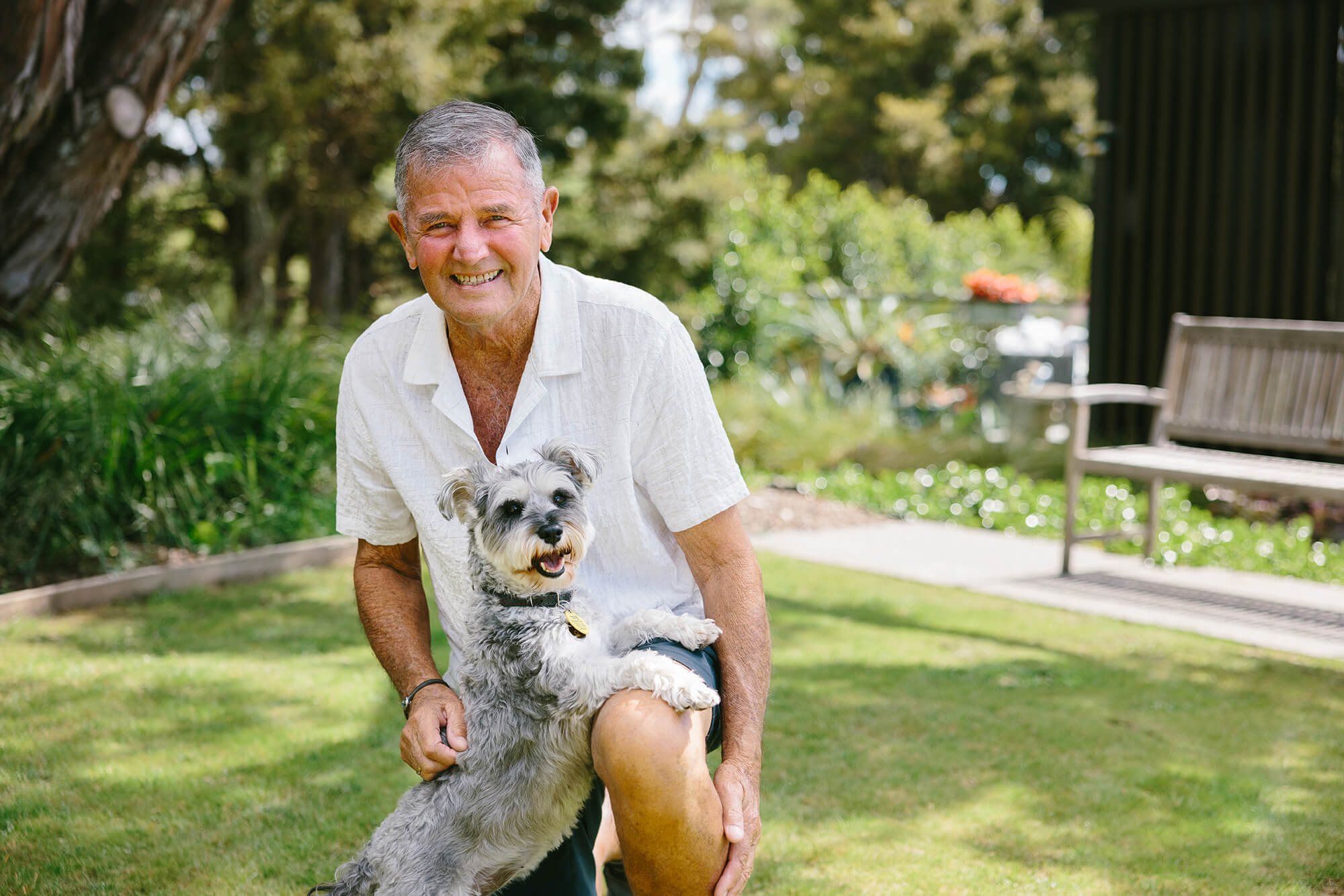
The Botanic Is a Pet-Friendly Village. Did That Help You Make the Decision to Move Here?

That was everything to us. There was no way we would have moved without Maya too, and we needed to make sure the village worked for her too. She’s loved by everyone. If we go away, there are plenty of people at the village who will look after her for us.

How Has the ‘Lock Up and Leave’ Lifestyle Changed Your Life?

If we go away, it’s such a relief to come home and the garden looks immaculate. You don’t come home to a foot-long lawn!

What’s Your Favourite Dish or Food at The Clubhouse Café?

For Laurie, it’s the lamb shanks and Lanie’s a fan of the roast chicken stuffed with mushrooms and bacon.

What Is Your Favourite Botanic Amenity?

The Clubhouse Café and the bowling green but when our great-grandchildren come to visit it’s straight to the pool. They just love it in there.

What Is Great Advice to Live By?

Treat others as you would like to be treated yourself. Don’t step back in retirement, always step forward. Enjoy your life and make sure you stay active.

Frequently Asked Questions

What do residents love most about living at The Botanic?

Residents like Laurie and Lanie say that life at The Botanic is full of activity, friendship, and care. They enjoy the strong sense of community, the wide range of things to do, and the peace of mind that comes with living in a safe, secure, and supportive environment. For them, it feels like being on a permanent holiday where connection and wellbeing come first.

Is The Botanic a pet-friendly retirement village?

Yes, The Botanic is proudly pet-friendly. Laurie and Lanie shared that being able to bring their dog, Maya, was an important part of their decision to move. Pets are warmly welcomed, and the community makes it easy for residents to travel or take breaks knowing their pets are cared for by friendly neighbours.

What do residents enjoy most about the lifestyle and amenities at The Botanic?

Laurie and Lanie love the Clubhouse Café, where Laurie enjoys the lamb shanks and Lanie’s favourite is the roast chicken stuffed with mushrooms and bacon. They also spend time at the bowling green and love bringing their great-grandchildren to the pool. They say there’s always something happening from social lunches to fun activities making retirement both active and enjoyable.

Published 10 October 2024

Recent Posts

Fitness Facilities and Programmes at The Botanic

The Botanic’s fitness facilities and programmes are designed specifically for older adults, so it becomes easier to stay strong, mobile and confident with exercise options within the village, just a few minutes’ walk from home. With a 20-metre indoor heated pool, spa, sauna, steam room, fully equipped gym and a range of land and water-based classes, residents can meet global activity guidelines in a way that feels enjoyable, social and tailored to their needs.​ Fitness that fits real life Staying active is one of the most powerful things you can do to protect your health and independence as you age. The World Health Organization, the American Heart Association and the CDC all recommend that adults, including older adults, aim for at least 150 to 300 minutes of moderate intensity activity each week, plus muscle strengthening on at least two days. For many people, the challenge is not knowing that movement matters; it is finding somewhere that feels welcoming, convenient and designed with their body in mind. The poolhouse includes a 20m heated swimming pool, sauna, spa, and gym. At The Botanic on Auckland’s Hibiscus Coast, the answer is a collection of beautiful, age-aware fitness facilities and programmes just a short walk from your front door. Instead of a crowded public gym or a chilly outdoor pool, you have a warm, resort style Poolhouse, a thoughtfully equipped, spacious gym and a calendar of classes created for real people at different stages of fitness. It is about bringing movement into everyday life in a way that feels both achievable and enjoyable.​ On top of these world-class facilities, we are also situated in beautifully landscaped grounds, providing peaceful and relaxing walking routes to help our residents to hit their daily step goals, whilst encouraging social walking with friends and neighbours. The Clubhouse Café is adjacent to the Poolhouse and Fitness Centre, making coffee or a healthy bite to eat after your workout an incentive to make fitness part of your weekly routine! Inside the Poolhouse and gym The Poolhouse is where many residents begin their fitness journey at The Botanic. Here you will find a 20-metre indoor heated pool, spa, sauna and steam room, all with calming views over the gardens and three rink bowling green. The warm water and controlled environment make it ideal for lane swimming, gentle laps, hydrotherapy-style exercise and low-impact Aquacise classes for joint-friendly cardio.​ Weekly aquacise class Aquatic exercise is particularly helpful for people with arthritis or past injuries. Studies have shown that exercising in water reduces joint load, supports pain relief and improves mobility, making it easier to keep up regular activity without aggravating sore areas. For residents who have not been in a pool for years, the combination of warm water, easy access and friendly instructors provides a comfortable way to start moving again.​ Beside the pool sits a sizeable, fully equipped gym, laid out specifically with older adults in mind. You can expect a mix of cardio equipment such as bikes and treadmills, resistance machines that support safe strength training and space for stretching, balance and floor-based work. Guidelines from organisations like the NHS and CDC highlight the importance of strength, balance and flexibility work at least two days per week for adults over 65, alongside regular aerobic activity. The gym at The Botanic makes it easy to tick all three in one place.​ Some residents come in for independent sessions, while others prefer supervised group classes or informal “gym dates” with neighbours. Over time, many build a weekly routine that might include two strength sessions, a couple of pool visits and a walk with friends, comfortably exceeding minimum activity recommendations without it ever feeling like a chore.​​ Structured fitness classes and resident-led programmes Alongside the facilities themselves, The Botanic offers an evolving mix of structured classes and resident-led sessions that cater to different fitness levels, interests and confidence levels.​​ Aquacise: Water-based exercise in the heated pool that uses the natural resistance and buoyancy of water for a low impact but effective cardiovascular and strength workout. Water aerobics has been shown to reduce joint pain and support cardiovascular health in older adults, making it ideal for those managing arthritis or past injuries.​ Yoga and Armchair Yoga: Gentle yoga classes focus on flexibility, balance and breath, with Armchair Yoga providing seated and supported options for those who prefer or need less weight-bearing work. Balance and strength training of this kind is strongly associated with fewer falls and better mobility in later life.​ Strength & Balance classes: Specifically tailored to older adults, these sessions combine targeted strength exercises with balance drills shown in research to help reduce fall risk. Studies of multimodal strength and balance programmes in older populations have demonstrated meaningful reductions in falls and improvements in confidence when moving around the home and community.​ Tai Chi: Often held in the Clubhouse or outdoor spaces, Tai Chi offers slow, flowing movements that challenge balance and coordination while also encouraging relaxation and focus. Tai Chi based interventions are widely recognised as an evidence backed option for improving balance and reducing falls among older adults.​​ Some classes are facilitated by qualified instructors, while others are initiated and sustained by residents themselves in spaces like The Hub or the Poolhouse. A new resident might start with a single Armchair Yoga class each week, then gradually add Aquacise or Strength & Balance sessions as confidence grows. Over time, they may become a regular, the person who greets newcomers at the door and helps to keep the group thriving.​​ This peer-led dimension is an important part of The Botanic’s approach. Research into active ageing emphasises not only physical activity but participation and social connection as key to wellbeing in later life. When residents are co-creating the programme, classes feel more like meeting a group of friends than attending a formal lesson, which makes it easier to keep showing up week after week. Everyday movement – bowling green, walkways and gardens Formal exercise is only one part of the picture. The Botanic’s three rink bowling green, tree lined walkways and Community Gardens all contribute to what might be called “everyday movement” – the steps, stretches and lifts you accumulate through a normal, enjoyable day.​​ Lawn bowls is a classic example of gentle, social exercise. It involves walking, bending and controlled throwing, all of which support joint mobility and balance, while the social aspect helps to maintain connection and purpose. Regular social activity has been linked in multiple studies to better mental health and lower risk of depression and cognitive decline in older adults, so a weekly bowls game can benefit both body and mind.​ The garden lined paths and landscaped walkways of The Botanic provide safe, attractive routes for daily walks, whether you are aiming for the familiar benchmark of 30 minutes a day or simply adding a short loop after lunch. Even light intensity movement, such as slow walking, has been associated with health benefits in older age when it replaces prolonged sitting.​ The Botanic Striders meet every Saturday morning for walks around local tracks and parks, while The Botanic Pedallers meet fortnightly on Fridays for cycling adventures locally and further afield together. In the Community Gardens, tending plants involves squatting, reaching, lifting light tools and spending time in fresh air and natural light. Gardening has been associated with improved mood, reduced stress and better physical function in older adults, making it a valuable complement to more structured exercise.​ Fitness for every ability level A common worry for people considering village fitness facilities is “I am not fit enough yet” or “What if I slow everyone down?” At The Botanic, programmes are deliberately designed to meet you where you are, with options, modifications and progressions available in each class.​​ Seated or supported formats like Armchair Yoga and gentle Aquacise provide an accessible on-ramp if you are managing an old injury, a recent operation or simply have not exercised in a long time. Instructors and resident leaders encourage everyone to work at their own pace, taking breaks as needed and gradually building up duration or intensity over time.​ Evidence-based guidelines highlight that “some activity is better than none” and that benefits are seen even when people move from being largely inactive to doing small amounts of moderate activity. In practice, that might look like attending a 20-minute class once a week, adding a short daily walk and spending an hour in the gardens at the weekend. Over months, these small steps can contribute to measurable improvements in strength, balance and energy. Peer support and small class sizes also play a role. Many residents find that they stay more consistent when friends are expecting to see them at Aquacise on Tuesday or Tai Chi on Thursday, turning exercise into a social appointment they genuinely look forward to.​​ Looking ahead – evolving wellness amenities The Botanic’s commitment to active ageing includes continuous investment in its wellness infrastructure. Alongside the existing Poolhouse, gym, bowling green and walkways, the village is developing additional amenities that will create even more ways to move.​​ Planned additions include a golf simulator, which will allow residents to practise their swing, coordination and balance in a safe, indoor environment regardless of the weather. With a putting green also in the development plan, golfers at The Botanic will have no excuses the next time they step out on the course! The addition of a pétanque and croquet court will also expand the options available to residents on top of the existing bowling green and the billiard room will provide indoor opportunities. Expanded wellness offerings and future care amenities will further strengthen the link between daily movement, long-term health and the reassurance of support if needs change over time.​ This future-focused approach means that the fitness environment you move into today will continue to grow with you, offering new activities, programmes and technologies that support active ageing at every stage.​​ Conclusion – an easier way to stay active For many people, the hardest part of staying active is logistics: finding the right place, at the right time, that feels welcoming and age-aware. At The Botanic on the Hibiscus Coast, the answer is a wellness-focused village where the pool, gym, walkways and classes are woven into daily life, just a short stroll from home.​​ With facilities and programmes designed specifically for older adults, supported by both qualified instructors and resident-led clubs, it becomes easier to meet and exceed global activity guidelines in a way that feels social, enjoyable and sustainable. If you would like to see the Poolhouse, gym and bowling green in person, the team would be delighted to show you around, talk through fitness options and connect you with current residents who can share what an active week at The Botanic looks like for them.​ Frequently asked questions about fitness at The Botanic How much exercise do I really need at my age? Major health bodies, including the World Health Organization, recommend adults aim for 150 to 300 minutes of moderate intensity activity each week, plus muscle strengthening on at least two days, with additional balance work for older adults. At The Botanic, the combination of pool sessions, gym visits, classes, walking and gardening makes it much easier to reach those targets in a way that feels achievable.​ What if I have arthritis or joint pain? Water-based activities like Aquacise in the heated pool are particularly suitable, as the buoyancy of water reduces joint stress while still providing effective resistance. Research has shown that aquatic exercise can ease pain, improve mobility and help people with arthritis stay active without worsening their symptoms.​ I have not exercised in years. Will I be able to keep up? Yes. Many residents start with very gentle options such as Armchair Yoga, slow Aquacise or short walks on the boardwalk, then gradually add more as confidence grows. Classes include modifications and seated options, and instructors encourage everyone to work at their own pace rather than keeping up with a set standard.​ Are the classes supervised by professionals? Some sessions, particularly those in the Poolhouse and gym, are supported by qualified instructors who understand the needs of older adults. Others are resident-led, which adds a peer support element; together, they create a varied programme that is both safe and socially engaging.​ Is there anything for people who prefer outdoor activity? Absolutely. The three-rink bowling green, landscaped walkways, tree-lined boardwalk and Community Gardens all encourage outdoor movement in beautiful surroundings. Whether you enjoy a game of bowls, a stroll with a friend or tending plants in the gardens, you can build more steps and stretches into your day without ever feeling like you are “going to the gym”.
Read more

Lifelong Learning Opportunities at The Botanic Luxury Retirement Village

Lifelong learning at The Botanic means much more than “keeping busy” – it is about staying mentally sharp, creatively fulfilled and socially connected, with resident-led clubs, cultural events and easy links into the wider Hibiscus Coast learning community. Emerging research shows that later-life learning is associated with better cognitive function and even a “younger” brain profile, so choosing a village that nurtures curiosity is a powerful investment in your future self.​ Why learning shouldn’t stop at retirement Many of today’s retirees and future planners see this stage of life as an opportunity to explore interests they never quite had time for in their working years. Later life learning is increasingly recognised as a key part of healthy ageing, with studies showing that older adults who engage in structured learning activities tend to have better cognitive function over time than those who do not. One 2025 longitudinal study found that a 70-year-old who regularly participated in later-life learning had cognitive scores similar to a 65-year-old who never did, suggesting the equivalent of almost six “extra” years of cognitive health. At The Botanic on Auckland’s Hibiscus Coast, this understanding sits at the heart of village life. Lifelong learning is treated as a core pillar of active ageing, alongside physical movement and social connection, and the village is intentionally designed as a place where you can keep discovering, engaging and connecting. From resident-led clubs in The Hub to expert-led talks in The Clubhouse Cafe to cultural outings and easy access to all the wider community events and performances going on across Auckland, the focus is on making it easy and enjoyable to keep your mind engaged every day.​​ Spaces designed for connection and conversation A big part of learning in later life happens in conversation, not just in classrooms. The Botanic’s shared spaces have been created with that in mind, so it feels natural to drift from a coffee catch-up into a discussion about a book, a recent trip or a guest speaker’s talk.​​ The Hub is the village’s multi-purpose activity space and home base for many of our social, artistic and learning focused groups. Here you might find an art class in the morning, a card game in the afternoon, followed by a travel talk in the evening, all using the same flexible room but set up differently to suit each activity. It’s even home to an extensive resident library featuring in excess of 750 titles. Residents and The Botanic team work together to schedule and promote activity and group sessions in The Hub, making it just as easy to book the space for a newly created club as it is to join an existing one.​ Alongside The Hub, The Clubhouse Café is another popular venue where lifelong learning is at play. Regular Tuesday@Two talks where expert guest speakers are invited to share their knowledge are highly anticipated events, along with various other events making use of the large screen TV – from presentations to live event coverage to movie screenings. Because the Cafe and other communal spaces are already part of everyday life at The Botanic, learning feels woven into the fabric of the village rather than something that is specifically planned or organised. Resident-led clubs and classes on site What really brings lifelong learning to life at The Botanic is the way residents themselves shape and lead the programmes and activities on offer. Instead of a top-down calendar of activities, you will find an evolving ecosystem of clubs that reflect the interests, skills and stories of the people who live at The Botanic.​​ Current examples include: Art Class with Dil, where residents explore painting or drawing techniques together and sometimes work towards small exhibitions in shared spaces.​ A Ukulele Group that meets regularly to practise, learn new songs and occasionally perform at village events.​ A Travel Club that shares stories, photos and practical tips from past journeys and inspires future adventures, both near and far.​ A Whiskey Appreciation Group, which combines social connection with learning about different regions, styles and histories.​ Mahjong, 500, Bridge, Housie, Quiz Nights and other games groups that challenge memory, strategy and quick thinking while providing a dependable social rhythm.​​ A Christian Home Group and other faith-based gatherings that involve reading, reflection and discussion.​ Residents typically initiate and run these clubs, supported by The Botanic’s shared spaces and communication channels. A new arrival who loves photography, for example, might speak with the team about starting a small group, secure a regular day and time in The Hub and invite neighbours via the village newsletter or Lumin, the Botanic’s internal communication platform with a screen in every home. Within weeks, that interest can grow into a popular fixture on the weekly village calendar.​​ This resident-led model aligns closely with research highlighting the benefits of “deep cognitive engagement” in later life, where people are not only consuming information but actively organising, presenting and sharing it with others. Facilitating a group, preparing a short talk or teaching a skill are all forms of learning in their own right, and contribute to a strong sense of purpose. Creative and cultural life at The Botanic Creativity plays a central role in intellectual wellness. Studies have shown that older adults who actively engage in intellectually and creatively demanding activities experience slower cognitive decline and an overall better quality of life. At The Botanic, art, music and culture are everyday experiences rather than occasional “treats”. Art classes provide opportunities to experiment with colour, form and technique, whether you are a complete beginner or returning to a hobby you once loved. Music groups like the Ukulele Group encourage regular practice, coordination and memory, and there is potential for informal performances at village gatherings or seasonal celebrations. Cultural clubs may organise film nights, themed dinners or talks around particular regions, art movements or historical periods, turning shared curiosity into shared experiences.​ Over time, this creative life can expand into small exhibitions of resident artwork in The Hub or The Clubhouse, musical afternoons for friends and family or collaborative projects with local schools and community groups. These activities are not just enjoyable; they help to keep neural pathways active and support emotional wellbeing through expression, achievement and positive feedback from peers.​ Connecting with learning across the wider Hibiscus Coast and Auckland region Another point of difference for The Botanic is its connection to the wider learning ecosystem on the Hibiscus Coast and across Auckland as a whole. This region is home to a rich network of clubs, libraries and community centres that offer talks, short courses, craft groups and volunteering opportunities for older adults.​​ Organisations like U3A (University of the Third Age) provide member led groups on topics ranging from history and science to literature and current affairs. Hibiscus Coast U3A, for example, runs regular general meetings with guest speakers, plus around 25 smaller groups that meet fortnightly or monthly for focused learning and discussion. These sessions are held in accessible local venues like libraries and church halls, and membership fees are relatively low, making them a practical complement to on- site activities at The Botanic. The Botanic Hibiscus Coast is less than a five minute walk to the Hibiscus Coast Bus Station, with bus links to the central city, Albany, up to Warkworth and all across Auckland.  Popping into the city to catch dinner and a show has never been so easy. Residents can meet friends or family at a concert, the Museum or Art Gallery without the hassle of parking or navigating rush hour traffic. Handily located with easy transport connections makes it straightforward for residents to attend cultural events closer to home too – from market days to external talks, art & sculpture exhibitions, musical performances, film screenings or workshops, either independently or as part of organised outings. Local libraries host author talks, technology help sessions and themed discussion groups, while community centres and Lions, Rotary and Probus style clubs add further options around travel, volunteering and service.​​ In this way, The Botanic functions as a base camp for ongoing exploration of the Hibiscus Coast’s cultural and educational offerings. Residents can spend a morning in a U3A study group in Orewa, enjoy lunch at The Clubhouse Café and then walk to an afternoon art session in The Hub, all within the flow of an ordinary week.​​ Learning as part of overall wellbeing Intellectual wellness is increasingly seen as a core dimension of overall health, alongside physical, emotional and social wellbeing. Regular mental stimulation has been linked to slower cognitive decline, reduced dementia risk and a greater sense of fulfilment in later life. One recent analysis noted that the cognitive function of a 71-year-old who engaged in later-life learning could resemble that of an average 65-year-old who never participated, underlining the tangible impact of staying mentally active. Beyond brain health, learning supports resilience, self-esteem and a sense of identity. Taking on new challenges, mastering a skill or contributing knowledge to a group reinforces the feeling of being “switched on” and relevant, which many people in their 60s, 70s and beyond value deeply. For residents at The Botanic, this is essential; they are not looking to be defined by age but by curiosity, contribution and future plans.​ The Botanic’s approach intentionally lowers the barriers to engaging in lifelong learning. By providing inviting spaces, supporting resident-led clubs and connecting into the wider Hibiscus Coast community, the village makes it easy for residents to build learning into their week without needing to navigate complex logistics. It is about making the enriching choice the natural and easy choice.​​ Conclusion – a village for lifelong learners If you are the kind of person who enjoys ideas, culture and conversation, where you choose to live in retirement can make a real difference to how engaged you feel. At The Botanic on the Hibiscus Coast, lifelong learning is part of daily life, from art classes in The Hub and travel talks in the Clubhouse Café to U3A meetings and community events just a short trip away.​​ Combined with the village’s fitness facilities and social spaces, this creates an environment where staying mentally sharp, physically active and deeply connected becomes the natural way to live. To experience it for yourself, you can explore the amenities and news pages online, or book a tour or open day visit to see The Hub, library and The Clubhouse Cafe in action and talk to residents about what they have learned or rediscovered since moving to The Botanic.​ Frequently asked questions about lifelong learning at The Botanic Why is lifelong learning important in retirement? Research shows that ongoing learning and cognitive engagement in later life are associated with better cognitive function, slower decline and a reduced risk of dementia. Learning also supports emotional wellbeing, providing a sense of purpose, achievement and connection that contributes to a higher quality of life. What kinds of learning activities are available on site? On site, residents can join or start clubs such as art classes, Chess Club, a Ukulele Group, Travel Club, the ‘Reading Divas’, Whiskey Appreciation Group, Mahjong, Bridge, 500 card game and faith-based discussion groups, among others. Many of these involve both learning and social connection, and they are typically resident-led with support from The Botanic’s team and shared spaces.​​ Do I need prior experience to join these groups? No. Most clubs at The Botanic welcome complete beginners as well as those with experience. The emphasis is on enjoyment, curiosity and shared exploration, so you can pick up a ukulele for the first time, try painting or join a discussion group without any pressure to perform.​​ How does The Botanic connect residents with external learning options? The Botanic’s central location makes it easy to attend local U3A meetings, library events, community centre courses and Probus style clubs on the Hibiscus Coast. Residents often carpool or join organised outings, using the village as a base for exploring the wider region’s cultural and educational opportunities.​​ I value privacy; can I still pursue learning on my own terms? Yes. The village library and quiet lounges provide spaces for independent reading, online courses or personal projects, and you can engage as much or as little with group activities as you wish. Many residents blend private study with selective participation in clubs and talks, choosing the mix that best suits their personality and energy.
Read more

The Botanic’s Approach to Active Ageing

Active ageing at The Botanic means living in a beautifully designed environment that makes it easier to move your body, stay socially connected, keep your mind sharp and feel emotionally grounded every day. It combines world-class amenities with a resident-led community and a clear future care pathway so you can enjoy a resort-style lifestyle now while planning confidently for tomorrow.​ Redefining active ageing on the Hibiscus Coast For many New Zealanders, retirement is no longer about slowing down; it is about having the time and freedom to live more of the life you enjoy. Active ageing captures that shift. It’s about optimising your opportunities for health, participation and security so you can maintain a high quality of life as you grow older. Rather than focusing only on years lived, it focuses on how well you are able to live those years; physically, socially, intellectually and emotionally. That thinking sits at the heart of The Botanic, a luxury retirement village on the Hibiscus Coast, just north of Auckland. Purpose-built from the ground up, the village has been carefully designed so that movement, connection, learning and a sense of calm are all easy to weave into your daily routine. For residents and future planners alike, it offers an environment that supports the way you already like to live - and extends it further.​​ What active ageing really means at The Botanic At The Botanic, active ageing is guided by four simple pillars: move well, connect well, think well, and feel well. Each pillar is supported by specific spaces, programmes and everyday rhythms that fit naturally into village life.​​ Move well: A 20 metre indoor heated pool, spa, sauna, steam room and fully equipped gym make it easy to keep up regular strength, balance and aerobic activity at your own pace. Garden-lined walkways, a 3-rink bowling green and the thriving Village Community Gardens add opportunities for gentle, incidental movement throughout the day. Tai chi, aquacise, dance fitness, strength and agility, optimal movement, indoor and outdoor bowls, armchair yoga, gardening groups and more are all on offer throughout the week at The Botanic. Village walking and cycling groups meet regularly to explore local routes and tracks, and parks further afield too.​​ Connect well: The award-winning Clubhouse Café, well-stocked library, shared lounges and The Hub activity space are designed as natural gathering points where catch-ups with friends, card games, art classes, music, interest groups and social events happen almost without planning. Happy Hour, Bridge, Housie, 500, Whisky Appreciation Club and regular Quiz Nights are all on the Village calendar for the taking if you feel like it.​​ Think well: Talks, workshops and interest-based clubs around topics like travel, books, spirituality and music encourage lifelong learning and cognitive engagement, which research links to better late-life cognitive health. The Botanic’s regular Tuesdays@Two event brings renowned speakers into the Village to share their expertise, knowledge and stories – a fabulous way to expand your horizons and make new acquaintances.​​ Feel well: Access to nature, beautifully landscaped grounds, calm wellness spaces and the reassurance of future care with the planned Manuka Care rest home, hospital and memory care options help residents feel grounded, secure and in control of their next chapter.​​ An on-site Registered Nurse is available for appointments, or just some friendly advice and a chat to alleviate worries or concerns for yourself or a loved one. Imagine a typical day for a resident. The morning might begin with a few gentle laps in the heated pool or a Strength & Balance class in the gym, followed by coffee with neighbours in The Clubhouse Café as you plan your next get-together. After lunch, a walk through the gardens or a friendly game on the bowling green adds more steps, while the afternoon might bring an art class in The Hub or a guest speaker event back in the café. You finish the day with a quiet soak in the spa or a book in your light-filled apartment, feeling both relaxed and pleasantly engaged.​ World-class amenities designed for everyday use Many retirement villages have a gym or a lounge; what makes The Botanic different is how integrated and resident-friendly each space is, and how strongly it aligns with international evidence on active ageing.​​ Poolhouse and gym – moving well at your own pace The Poolhouse is the physical heart of the village, with a 20 metre indoor heated pool, spa, sauna, steam room and a well-equipped gym that looks out across the pool to the bowling green. Here, residents can choose from structured offerings like Optimal Movement classes, or simply come in for their own walk, cycle, strength or stretch session whenever it suits.​​ The World Health Organization recommends that adults, including older adults, aim for 150 to 300 minutes of moderate intensity activity each week, along with regular muscle strengthening work. For many people, that is far easier to achieve when the pool and gym are just a short internal stroll from home rather than a drive across town, especially in winter or wet weather.​​ Landscaped walkways, bowling green and Community Gardens Beyond the Poolhouse, activity is built into the landscape itself. Manicured garden-lined pathways encourage residents to add a relaxed loop around the village to their routine, whether that is a brisk morning walk or a gentle evening stroll with a friend. The bowling green offers low-impact, social competition, which has been shown to support both physical function and social wellbeing in older adults.​ The Community Gardens are another distinctive feature. Gardening combines moderate physical activity with time outdoors and a sense of purpose, and has been associated with lower stress and improved mood in older adults. At The Botanic, individual and shared raised garden beds and planting areas mean you can enjoy the satisfaction of growing herbs, flowers or vegetables without the burden of maintaining a large private garden.​​ The Clubhouse Café, library and social spaces Connection sits at the centre of healthy ageing. Studies have found that older adults who remain socially engaged have lower rates of chronic disease and better mental health than those who feel isolated. The Botanic’s Clubhouse Café has been intentionally designed as a warm, welcoming space where residents, friends and family naturally linger over coffee, lunch, dinner or a glass of wine.​ Alongside the Café, the library and shared lounges support quieter forms of connection and learning; think book clubs, discussion groups and travel experience evenings, all just a short walk from home. Taken together, these spaces help to ensure that companionship and conversation are part of daily life, not an occasional add-on.​​ Resident-led clubs – community-powered active ageing One of the most distinctive aspects of life at The Botanic is the way residents themselves shape village culture. The Hub, a flexible activity space, hosts an evolving calendar of resident-created clubs and classes that respond to real interests and talents within the community.​​ Current examples include Armchair Yoga, Strength & Balance, Aquacise and Tai Chi, all tailored to different mobility levels so that new residents can join confidently. There are also art classes, a Ukulele Group, Mahjong, a Christian Home Group and even a Whiskey Appreciation Group, each bringing people together around shared passions.​ Research into active ageing models highlights participation and security alongside health and learning as key pillars. Resident-led clubs provide exactly that; they offer a sense of ownership, identity and continuity, which in turn supports emotional wellbeing and a strong sense of belonging. For many residents, facilitating a group, welcoming new members or helping to organise events adds renewed purpose to daily life.​ Learning, curiosity and staying mentally sharp Active ageing is not just about muscles and joints; it is also about keeping your mind challenged and engaged. International studies suggest that ongoing, information-driven cognitive activities are associated with better self-reported cognitive function in later life. At The Botanic, that idea is woven into the programme of talks, workshops and interest groups on offer.​​ Residents can attend sessions on travel, arts, music or current affairs, join a discussion group or help to bring in guest speakers on topics they care about. For future planners who value design, culture and ideas, this creates an environment that feels more like a boutique lifestyle community than a traditional retirement home; it is about continuing to grow, not winding down.​ Keep an eye out for a dedicated article that will explore lifelong learning opportunities at The Botanic and on the wider Hibiscus Coast in more detail, including how the village makes it easy to access local libraries, galleries and community education.​​ Future-ready amenities and care pathway Another way The Botanic stands apart is its future-focused approach to amenities and care. Residents can enjoy a resort-style lifestyle now, with the reassurance that additional wellness and care facilities are in development. Planned additions include a golf simulator, expanded wellness spaces, and a future aged care home with hospital care and memory suites, designed to provide continuity of community should health needs change over time.​ This aligns with active ageing frameworks that emphasise security and participation alongside health and learning. Rather than facing an abrupt move if higher levels of care are required, residents and their families can plan ahead, knowing that support will be available within a familiar environment and social circle.​ Why early movers get the most from active ageing There is growing evidence that the environments we live in have a powerful influence on how we age. By choosing a wellness-focused community like The Botanic while you are fit, independent and curious, you give yourself more healthy years to enjoy everything on offer and to help shape the culture of the village for future residents.​ Early movers often become the founding members of resident clubs, the people who set traditions and create the stories that others later join. They also tend to find the practical transition easier; moving home on your own terms, with time to settle in, build friendships and establish new routines, can make this new chapter feel exciting rather than daunting.​ If you are beginning to explore your options, a visit to The Botanic is one of the best ways to see what active ageing looks like in practice. From there, you can explore the amenities and lifestyle pages online, and keep an eye out for upcoming articles on fitness facilities, programmes and lifelong learning opportunities within the village.​​ Frequently asked questions about active ageing at The Botanic What is active ageing in simple terms Active ageing is about making the most of opportunities for health, participation and security so you can maintain a good quality of life as you grow older; it includes physical activity, social connection, mental stimulation and emotional wellbeing. How much physical activity do older adults need, and how does The Botanic support that? The World Health Organization advises adults, including older adults, to aim for 150 to 300 minutes of moderate intensity activity each week, plus regular muscle strengthening. The Botanic’s Poolhouse, gym, walkways, bowling green and gentle group classes make it easier to reach those targets in a safe, enjoyable way.​​ I am not very sporty; will I still fit in? Yes. Active ageing at The Botanic is about moving at a level that feels right for you, whether that is Aquacise in the pool, a short stroll through the gardens or a relaxed game on the bowling green. Many residents come primarily for the social clubs, café catch-ups and learning opportunities, then gradually add more movement as their confidence grows.​ How does The Botanic support social connection? The Clubhouse Café, library, shared lounges and The Hub activity space are designed as natural gathering points for resident-led clubs, events and everyday catch-ups. Research shows that staying socially engaged in later life is linked with better mental and physical health, including lower rates of depression, heart disease and cognitive decline.​ What future care options are planned? In addition to current independent living and wellness amenities, The Botanic is developing further wellness spaces, a golf simulator and a future aged care home with memory suites. This gives residents and their families confidence that if care needs change, support will be available within the same familiar, connected community.
Read more