Lifelong Learning Opportunities at The Botanic Luxury Retirement Village
Lifelong learning at The Botanic means much more than “keeping busy” – it is about staying mentally sharp, creatively fulfilled and socially connected, with resident-led clubs, cultural events and easy links into the wider Hibiscus Coast learning community. Emerging research shows that later-life learning is associated with better cognitive function and even a “younger” brain profile, so choosing a village that nurtures curiosity is a powerful investment in your future self.
Why learning shouldn’t stop at retirement
Many of today’s retirees and future planners see this stage of life as an opportunity to explore interests they never quite had time for in their working years. Later life learning is increasingly recognised as a key part of healthy ageing, with studies showing that older adults who engage in structured learning activities tend to have better cognitive function over time than those who do not. One 2025 longitudinal study found that a 70-year-old who regularly participated in later-life learning had cognitive scores similar to a 65-year-old who never did, suggesting the equivalent of almost six “extra” years of cognitive health.
At The Botanic on Auckland’s Hibiscus Coast, this understanding sits at the heart of village life. Lifelong learning is treated as a core pillar of active ageing, alongside physical movement and social connection, and the village is intentionally designed as a place where you can keep discovering, engaging and connecting. From resident-led clubs in The Hub to expert-led talks in The Clubhouse Cafe to cultural outings and easy access to all the wider community events and performances going on across Auckland, the focus is on making it easy and enjoyable to keep your mind engaged every day.
Spaces designed for connection and conversation
A big part of learning in later life happens in conversation, not just in classrooms. The Botanic’s shared spaces have been created with that in mind, so it feels natural to drift from a coffee catch-up into a discussion about a book, a recent trip or a guest speaker’s talk.
The Hub is the village’s multi-purpose activity space and home base for many of our social, artistic and learning focused groups. Here you might find an art class in the morning, a card game in the afternoon, followed by a travel talk in the evening, all using the same flexible room but set up differently to suit each activity. It’s even home to an extensive resident library featuring in excess of 750 titles. Residents and The Botanic team work together to schedule and promote activity and group sessions in The Hub, making it just as easy to book the space for a newly created club as it is to join an existing one.
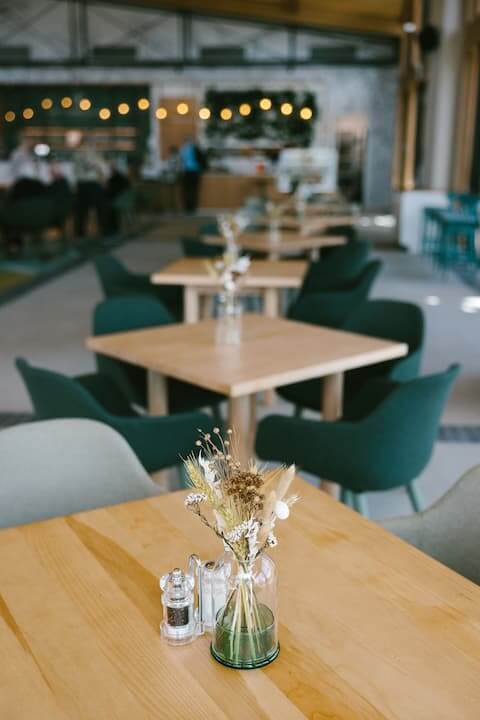
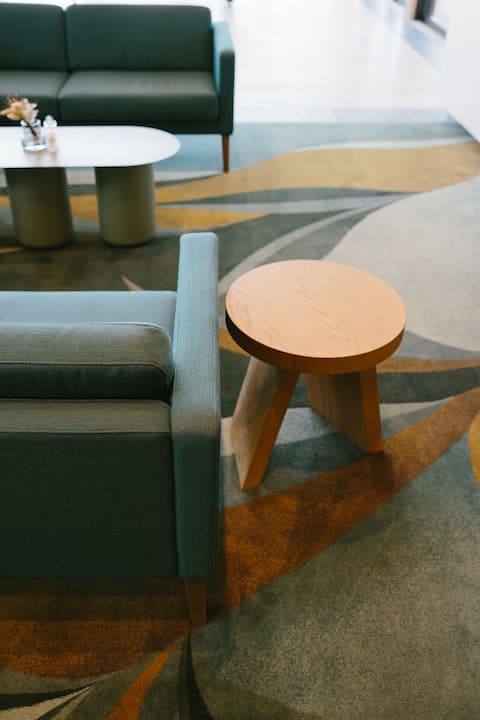
Alongside The Hub, The Clubhouse Café is another popular venue where lifelong learning is at play. Regular Tuesday@Two talks where expert guest speakers are invited to share their knowledge are highly anticipated events, along with various other events making use of the large screen TV – from presentations to live event coverage to movie screenings. Because the Cafe and other communal spaces are already part of everyday life at The Botanic, learning feels woven into the fabric of the village rather than something that is specifically planned or organised.
Resident-led clubs and classes on site
What really brings lifelong learning to life at The Botanic is the way residents themselves shape and lead the programmes and activities on offer. Instead of a top-down calendar of activities, you will find an evolving ecosystem of clubs that reflect the interests, skills and stories of the people who live at The Botanic.
Current examples include:
- Art Class with Dil, where residents explore painting or drawing techniques together and sometimes work towards small exhibitions in shared spaces.
- A Ukulele Group that meets regularly to practise, learn new songs and occasionally perform at village events.
- A Travel Club that shares stories, photos and practical tips from past journeys and inspires future adventures, both near and far.
- A Whiskey Appreciation Group, which combines social connection with learning about different regions, styles and histories.
- Mahjong, 500, Bridge, Housie, Quiz Nights and other games groups that challenge memory, strategy and quick thinking while providing a dependable social rhythm.
- A Christian Home Group and other faith-based gatherings that involve reading, reflection and discussion.
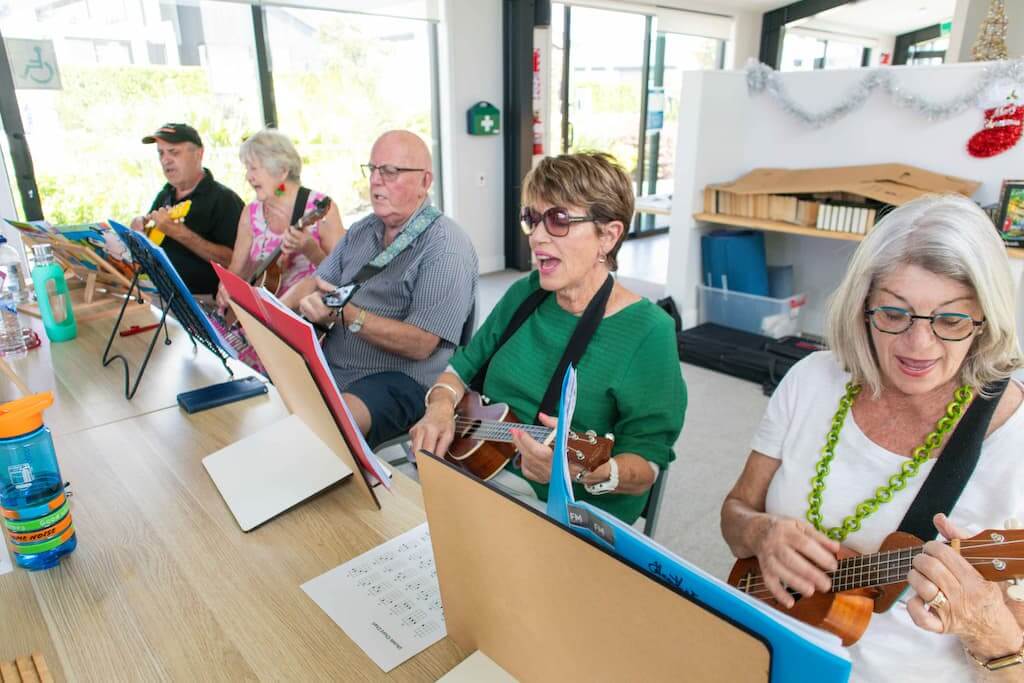
Residents typically initiate and run these clubs, supported by The Botanic’s shared spaces and communication channels. A new arrival who loves photography, for example, might speak with the team about starting a small group, secure a regular day and time in The Hub and invite neighbours via the village newsletter or Lumin, the Botanic’s internal communication platform with a screen in every home. Within weeks, that interest can grow into a popular fixture on the weekly village calendar.
This resident-led model aligns closely with research highlighting the benefits of “deep cognitive engagement” in later life, where people are not only consuming information but actively organising, presenting and sharing it with others. Facilitating a group, preparing a short talk or teaching a skill are all forms of learning in their own right, and contribute to a strong sense of purpose.
Creative and cultural life at The Botanic
Creativity plays a central role in intellectual wellness. Studies have shown that older adults who actively engage in intellectually and creatively demanding activities experience slower cognitive decline and an overall better quality of life. At The Botanic, art, music and culture are everyday experiences rather than occasional “treats”.
Art classes provide opportunities to experiment with colour, form and technique, whether you are a complete beginner or returning to a hobby you once loved. Music groups like the Ukulele Group encourage regular practice, coordination and memory, and there is potential for informal performances at village gatherings or seasonal celebrations. Cultural clubs may organise film nights, themed dinners or talks around particular regions, art movements or historical periods, turning shared curiosity into shared experiences.
Over time, this creative life can expand into small exhibitions of resident artwork in The Hub or The Clubhouse, musical afternoons for friends and family or collaborative projects with local schools and community groups. These activities are not just enjoyable; they help to keep neural pathways active and support emotional wellbeing through expression, achievement and positive feedback from peers.
Connecting with learning across the wider Hibiscus Coast and Auckland region
Another point of difference for The Botanic is its connection to the wider learning ecosystem on the Hibiscus Coast and across Auckland as a whole. This region is home to a rich network of clubs, libraries and community centres that offer talks, short courses, craft groups and volunteering opportunities for older adults.
Organisations like U3A (University of the Third Age) provide member led groups on topics ranging from history and science to literature and current affairs. Hibiscus Coast U3A, for example, runs regular general meetings with guest speakers, plus around 25 smaller groups that meet fortnightly or monthly for focused learning and discussion. These sessions are held in accessible local venues like libraries and church halls, and membership fees are relatively low, making them a practical complement to on- site activities at The Botanic.
The Botanic Hibiscus Coast is less than a five minute walk to the Hibiscus Coast Bus Station, with bus links to the central city, Albany, up to Warkworth and all across Auckland. Popping into the city to catch dinner and a show has never been so easy. Residents can meet friends or family at a concert, the Museum or Art Gallery without the hassle of parking or navigating rush hour traffic. Handily located with easy transport connections makes it straightforward for residents to attend cultural events closer to home too – from market days to external talks, art & sculpture exhibitions, musical performances, film screenings or workshops, either independently or as part of organised outings. Local libraries host author talks, technology help sessions and themed discussion groups, while community centres and Lions, Rotary and Probus style clubs add further options around travel, volunteering and service.
In this way, The Botanic functions as a base camp for ongoing exploration of the Hibiscus Coast’s cultural and educational offerings. Residents can spend a morning in a U3A study group in Orewa, enjoy lunch at The Clubhouse Café and then walk to an afternoon art session in The Hub, all within the flow of an ordinary week.
Learning as part of overall wellbeing
Intellectual wellness is increasingly seen as a core dimension of overall health, alongside physical, emotional and social wellbeing. Regular mental stimulation has been linked to slower cognitive decline, reduced dementia risk and a greater sense of fulfilment in later life. One recent analysis noted that the cognitive function of a 71-year-old who engaged in later-life learning could resemble that of an average 65-year-old who never participated, underlining the tangible impact of staying mentally active.
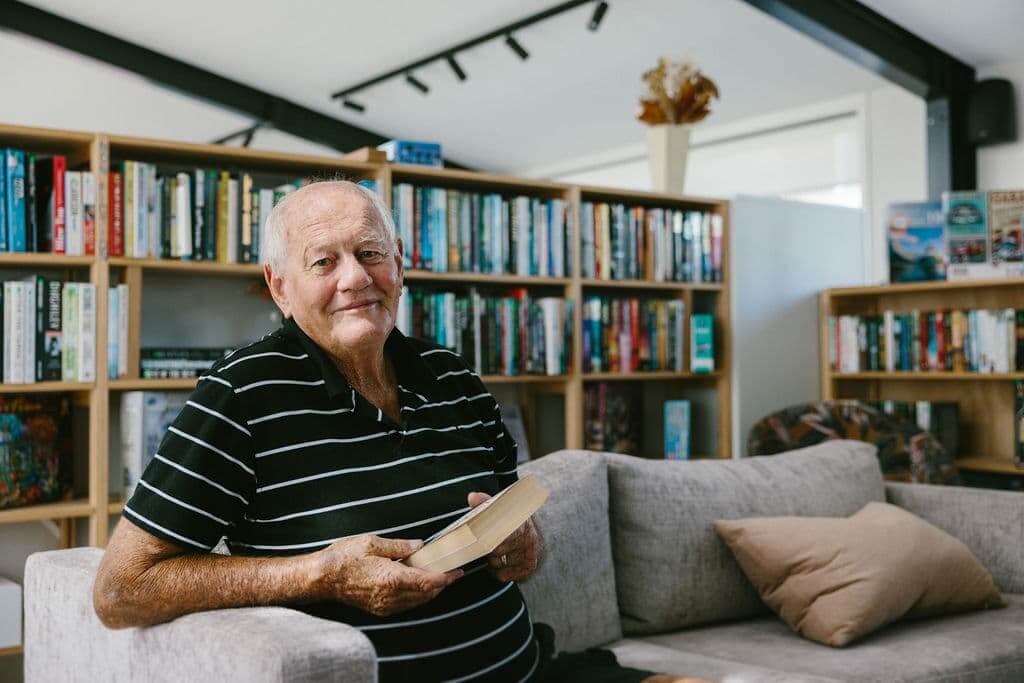
Beyond brain health, learning supports resilience, self-esteem and a sense of identity. Taking on new challenges, mastering a skill or contributing knowledge to a group reinforces the feeling of being “switched on” and relevant, which many people in their 60s, 70s and beyond value deeply. For residents at The Botanic, this is essential; they are not looking to be defined by age but by curiosity, contribution and future plans.
The Botanic’s approach intentionally lowers the barriers to engaging in lifelong learning. By providing inviting spaces, supporting resident-led clubs and connecting into the wider Hibiscus Coast community, the village makes it easy for residents to build learning into their week without needing to navigate complex logistics. It is about making the enriching choice the natural and easy choice.
Conclusion – a village for lifelong learners
If you are the kind of person who enjoys ideas, culture and conversation, where you choose to live in retirement can make a real difference to how engaged you feel. At The Botanic on the Hibiscus Coast, lifelong learning is part of daily life, from art classes in The Hub and travel talks in the Clubhouse Café to U3A meetings and community events just a short trip away.
Combined with the village’s fitness facilities and social spaces, this creates an environment where staying mentally sharp, physically active and deeply connected becomes the natural way to live. To experience it for yourself, you can explore the amenities and news pages online, or book a tour or open day visit to see The Hub, library and The Clubhouse Cafe in action and talk to residents about what they have learned or rediscovered since moving to The Botanic.
Frequently asked questions about lifelong learning at The Botanic
Why is lifelong learning important in retirement?
Research shows that ongoing learning and cognitive engagement in later life are associated with better cognitive function, slower decline and a reduced risk of dementia. Learning also supports emotional wellbeing, providing a sense of purpose, achievement and connection that contributes to a higher quality of life.
What kinds of learning activities are available on site?
On site, residents can join or start clubs such as art classes, Chess Club, a Ukulele Group, Travel Club, the ‘Reading Divas’, Whiskey Appreciation Group, Mahjong, Bridge, 500 card game and faith-based discussion groups, among others. Many of these involve both learning and social connection, and they are typically resident-led with support from The Botanic’s team and shared spaces.
Do I need prior experience to join these groups?
No. Most clubs at The Botanic welcome complete beginners as well as those with experience. The emphasis is on enjoyment, curiosity and shared exploration, so you can pick up a ukulele for the first time, try painting or join a discussion group without any pressure to perform.
How does The Botanic connect residents with external learning options?
The Botanic’s central location makes it easy to attend local U3A meetings, library events, community centre courses and Probus style clubs on the Hibiscus Coast. Residents often carpool or join organised outings, using the village as a base for exploring the wider region’s cultural and educational opportunities.
I value privacy; can I still pursue learning on my own terms?
Yes. The village library and quiet lounges provide spaces for independent reading, online courses or personal projects, and you can engage as much or as little with group activities as you wish. Many residents blend private study with selective participation in clubs and talks, choosing the mix that best suits their personality and energy.
